
Company Information
 Member Since 3 Years
 Nature of Business Exporter
 GST No. 24CJWPK9058H1ZI
Ask for more detail from the seller
Contact Supplier
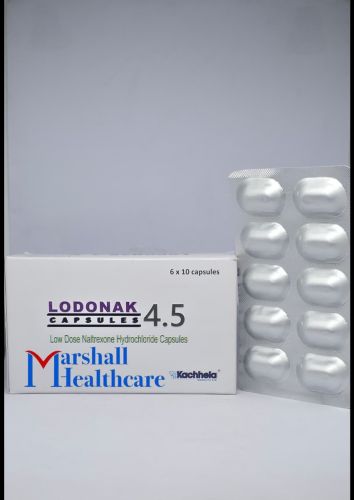
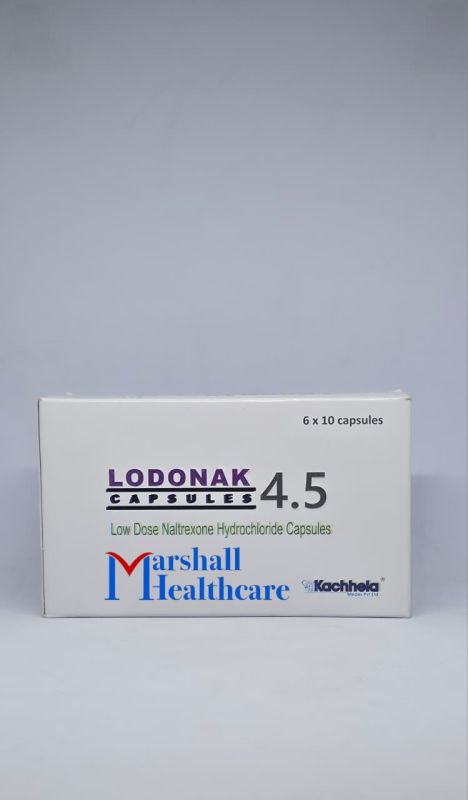
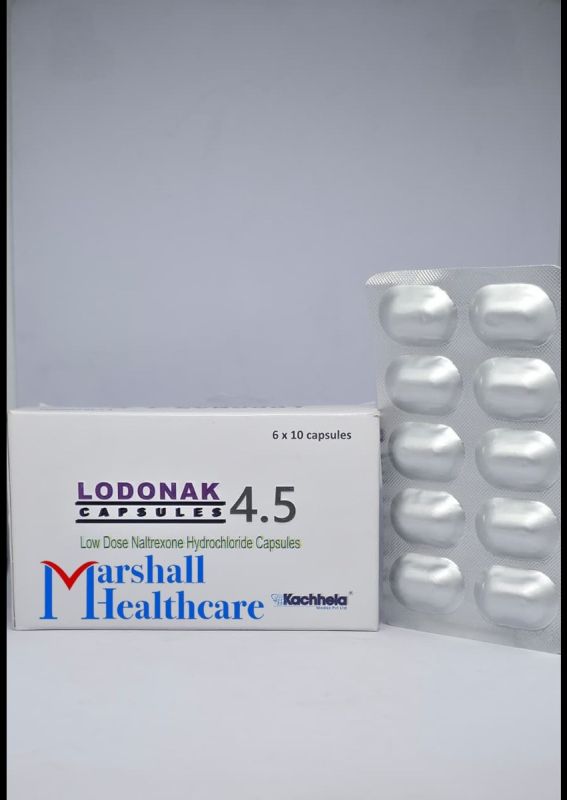
Description of Low-Dose Naltrexone (LDN) 4.5 mg
| Feature | Description |
| Active Ingredient | Naltrexone Hydrochloride |
| Drug Class | Opioid Receptor Antagonist (used as an immune modulator/anti-inflammatory agent at low doses) |
| Dosage | 4.5 mg is the most common or "target" maintenance dose for LDN therapy. It is approximately one-tenth of the standard dose. |
| Formulation | Naltrexone tablets are commercially available as 50 mg tablets. Therefore, the 4.5 mg strength must be custom-made by a compounding pharmacy (often as a capsule or liquid). |
| Primary Mechanism (Low Dose) | At this low dose, Naltrexone is thought to work by:
|
| Common Off-Label Uses | LDN is studied and used to manage symptoms in chronic inflammatory and autoimmune conditions, including:
|
| Administration | Typically taken as a single daily dose, often at bedtime, as this is believed to maximize its immune-modulating effects. |
| Onset of Effect | Patients may need to take LDN for several weeks to a few months before significant benefits are noticed. |
Common Side Effects
LDN is generally well-tolerated, and side effects are usually mild and temporary.
Sleep Disturbances:Vivid dreams or nightmares are the most commonly reported side effects, especially when taken at night.
Gastrointestinal: Mild nausea, diarrhea, or upset stomach.
Other: Headaches, temporary anxiety, or mild initial insomnia.
Important Precaution
Opioids: LDN can cause acute withdrawal symptoms if taken by a person currently taking opioid medication. It is essential to stop all opioid use (including pain medication like , or ) before starting LDN. You must always consult your prescribing physician.



Connect with us





 For Buyer
  For Seller
  Help
Help 

 Chandkheda, Ahmedabad, Gujarat

 Send Enquiry