
Company Information
 Member Since 4 Years
 Nature of Business Manufacturer Year of Establishment 2000
Ask for more detail from the seller
Contact Supplier
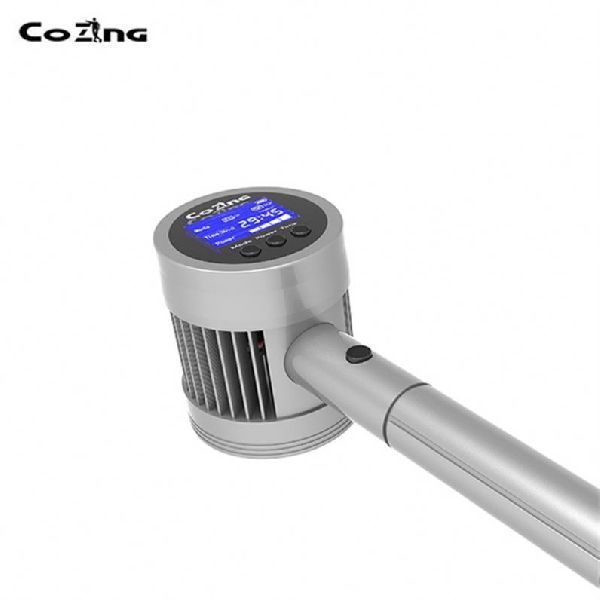
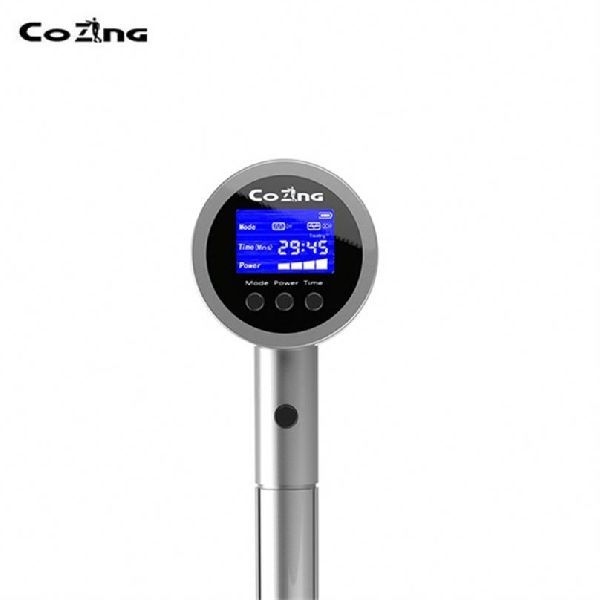
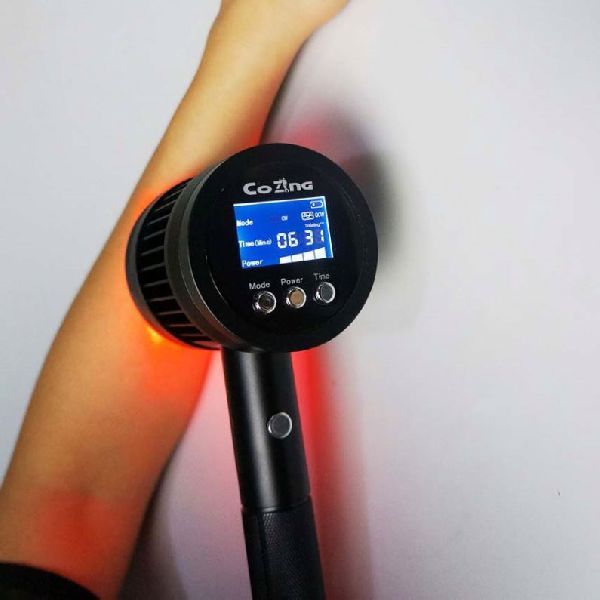
cozing-t05 indications:
arthritis, lower and upper back pain, neck pain relief;
sports injuries, tennis elbow, plantar fasciitis sprains, fresh scars, wounds & ulcers acupuncture, and wounds healing;
rehabilitation therapy, prostatitis, reduces inflammation and swelling,
facial paralysis, mammary hyperplasia, cervical spondylosis, neurasthenia(insomnia), scapulohumeral periarthritis, ra(rheumatoid arthritis), proplapse of lumbar intervertebral disc, sciatica,cystitis,algomenorrhea,varicosity, frozen shoulder.
what is the clinical study of the laser treat the osteoarthritis and rheumatoid arthritis/?
osteoarthritis (oa) and rheumatoid arthritis (ra) affect a large proportion of the population. low level laser therapy (lllt) was introduced as an alternative noninvasive treatment for ra and oa about 10 years ago.
according to the methods recommended by the cochrane collaboration, thirteen trials were included,
174 patients(control group)-----method: placebo laser,
68 patients (lllt group)-----method: received active laser on one hand and placebo on the opposite hand.
trails time: treatment duration ranged from 4 to 10 weeks. follow up was reported by only 2 trials up to 3 months.
in patients with ra (rheumatoid arthritis), relative to a separate control group, lllt reduced pain by 70% relative to placebo and reduced morning stiffness by 27.5 min (95% ci -52.0 to -2.9), and increased tip to palm flexibility by 1.3 cm (95% ci -1.7 to -0.8).
low level laser treatment benefits:
low level laser therapy, it is considered to be non-invasive, painless and safe.low level laser therapy (lllt) uses laser light energy to stimulate cells to function optimally. in the body, light sensitive chromophores and other elements within the cell absorb energy, initiating a series of important photochemical changes such as increased production of atp. the mitochondria and kreb’s cycle stimulation initiates the production of atp, providing the cells with the extra energy needed to accelerate the healing process and positively influence pain. these activities can occur in all types of cells and includes ligament, nerves, cartilage and muscle.
how do the laser therapy pain?
when it comes to chronic pain treatment and management, many patients have tried it all. from exercise to injections to surgeries, some chronic pain conditions may feel incurable.
cozing laser therapy is a non-invasive pain management technique that uses low-level laser therapy to reduce pain and inflammation. it is most commonly used for pain related to arthritis or sciatica. it’s been used in europe for pain management for decades and has recently been used in home health care.
low level laser therapy (lllt) uses laser light energy to stimulate cells to function optimally. in the body, light sensitive chromophores and other elements within the cell absorb energy, initiating a series of important photochemical changes such as increased production of atp. the mitochondria and kreb’s cycle stimulation initiates the production of atp, providing the cell with the extra energy needed to accelerate the healing process and positively influence pain. these activities can occur in all types of cells and includes ligament, nerves, cartilage and muscle.
laser for wound healing mechanism of action
lllt has a wide range of effects at the molecular, cellular, and tissue levels.
the basic biological mechanism behind the effects of lllt is thought to be through absorption of red and nir light by mitochondrial chromophores, in particular cytochrome c oxidase (cco) which is contained in the respiratory chain located within the mitochondria.
this absorption of light causes photodissociation of nitric oxide (no) which is an inhibitory effect on cco (cytochrome c oxidase). thus, when no levels reduce atp production/mitochondrial activity is enhanced and relevant intercellular signalling pathways ate activated which trigger cell proliferation, survival, tissue repair and regeneration.



Connect with us





 For Buyer
  For Seller
  Help
Help 
 Wuhan
Wuhan 
 Send Enquiry