
Company Information
 Member Since 11 Years
 Nature of Business Retailer
 GST No. 27AABCL9949B1ZC
Ask for more detail from the seller
Contact Supplier
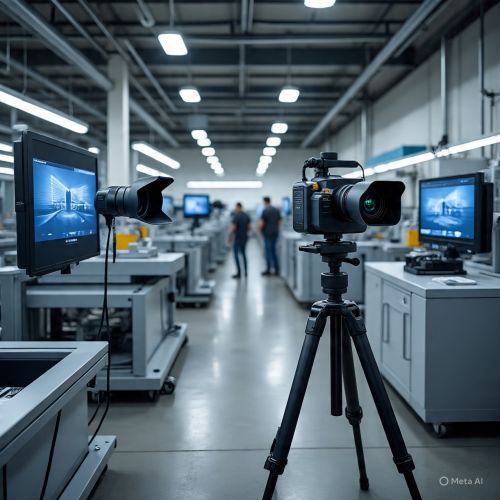
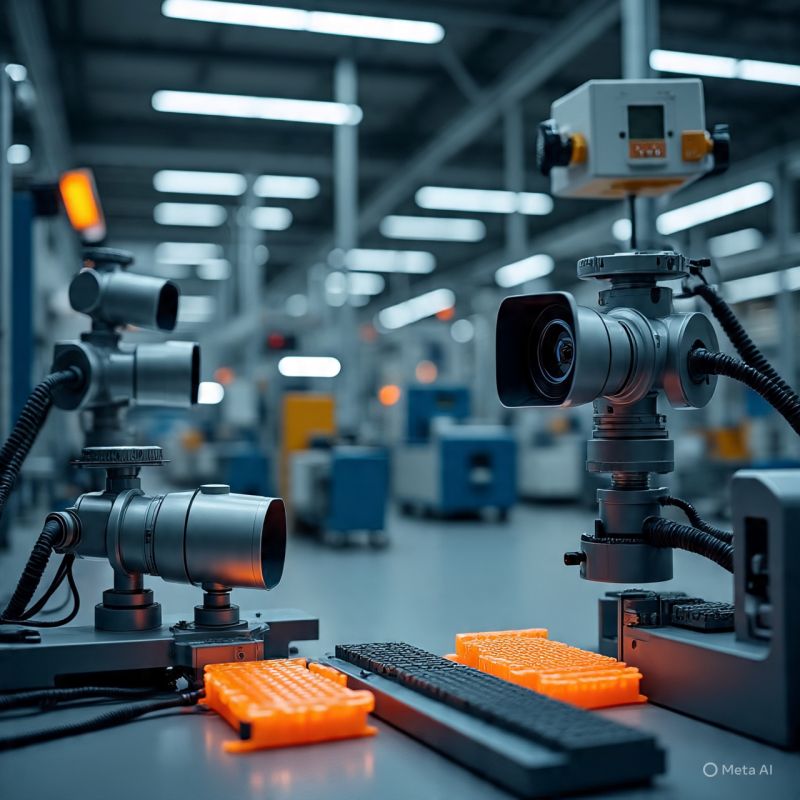
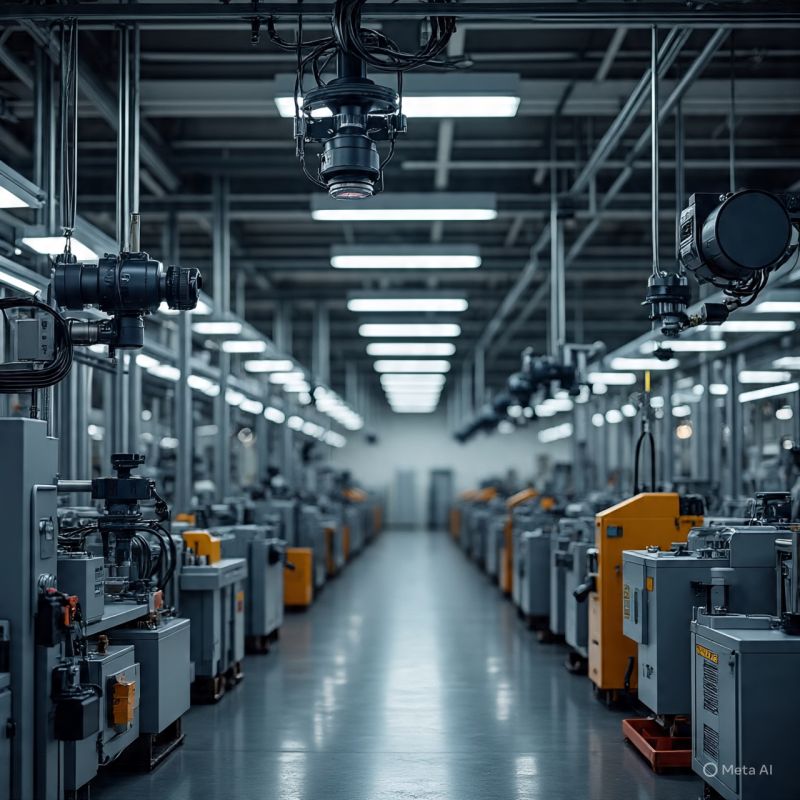
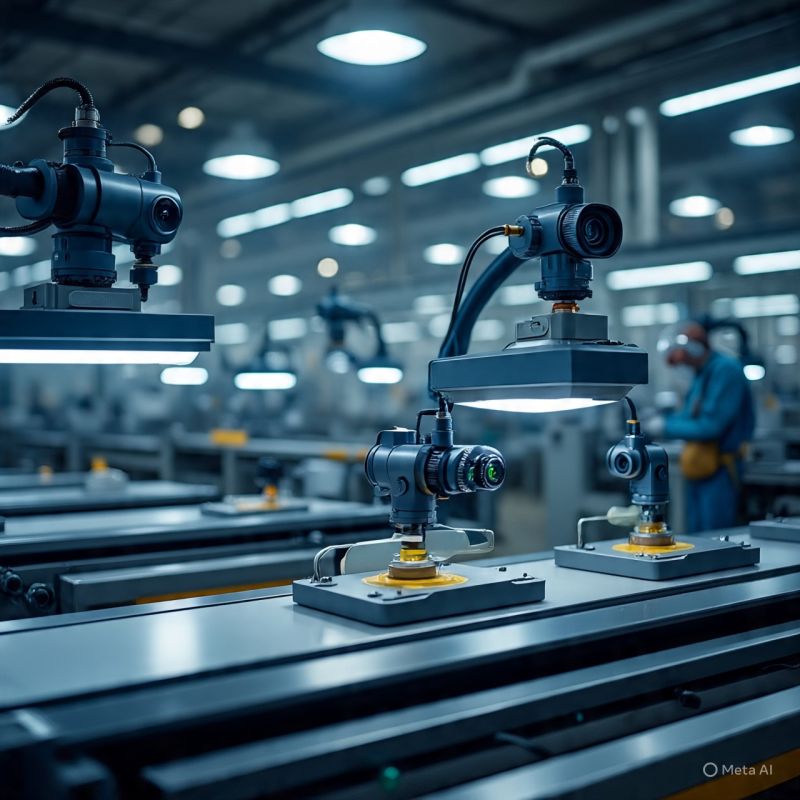
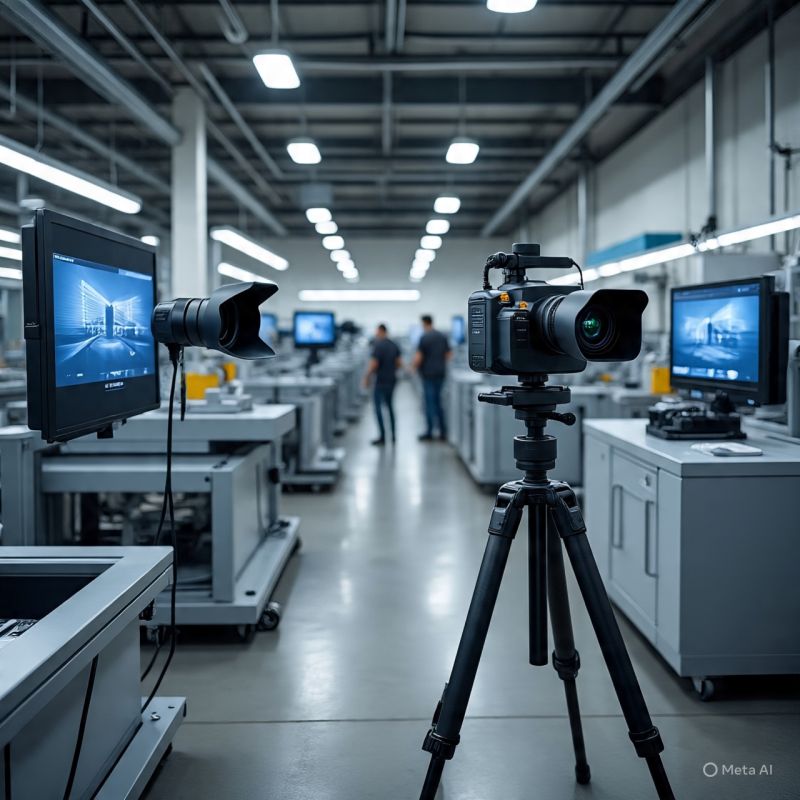
Machine Vision Systems in Manufacturing Factories Overview Machine Vision Systems are advanced automation tools that use cameras, sensors, and image-processing algorithms to visually inspect, measure, guide, and monitor parts or products in real-time. These systems play a critical role in modern smart manufacturing, enabling non-contact, high-speed, and highly accurate visual analysis of components during production. Used extensively in automotive, electronics, pharmaceuticals, food & beverage, packaging, and metal fabrication, machine vision improves product quality, process speed, and production consistency. How It Works A typical machine vision system includes: Vision Cameras (2D or 3D): Capture high-resolution images of the target area or part Lighting Modules: Provide consistent and uniform illumination Image Sensors (CMOS or CCD): Convert light into digital signals Vision Controllers / Processors: Analyze image data using algorithms leelavati automation Machine Vision Software: Handles inspection, measurement, barcode reading, pattern recognition, OCR, etc. Output Signals: Trigger machine action (eject, accept, sort, stop) based on the result Applications in Manufacturing IndustryMachine Vision Use Case AutomotivePaint defect inspection, surface finish analysis, part verification ElectronicsSolder joint inspection, PCB alignment, connector presence PharmaceuticalBlister pack inspection, pill counting, label verification Food & BeverageFill level check, packaging seal inspection, label OCR TextileFabric pattern consistency, weave flaw detection CNC & MetalworkingDimensional verification, hole alignment, burr detection PackagingBarcode reading, cap presence, orientation check Functions Performed by Vision Systems Defect Detection (scratches, cracks, blemishes) Part Identification (barcode, QR, OCR) Measurement (length, width, angle, position) Color Detection & Sorting Presence/Absence Verification Pattern Matching for orientation or assembly checking 3D Scanning for height, volume, or surface contour analysis Robotic Guidance (vision-guided pick and place) leelavati automation Technical Specifications (Typical) ParameterTypical Range Camera Resolution0.3 MP – 21 MP (megapixels) Frame Rate30 – 200+ FPS Sensor TypeCMOS, CCD InterfaceUSB 3.0, GigE, Camera Link, CoaXPress, EtherCAT Lens TypeFixed, Zoom, Telecentric Lighting OptionsRing, Bar, Dome, Coaxial, Infrared, UV Power Supply12V/24V DC, PoE (for GigE cameras) Environmental RatingIP40 to IP67 (dust, oil, splash resistant) Software SupportWindows/Linux SDKs, drag-drop platforms, AI models Advantages & Benefits High-Speed Inspection: Detect defects at production-line speeds Non-Contact & Non-Intrusive: Ideal for sterile or high-speed environments Consistent Quality Control: 100% inspection eliminates human error Scalability: Easily integrates with PLCs, HMIs, SCADA, and MES systems Traceability & Reporting: Record image logs and measurement data Flexible Deployment: Works across product sizes, shapes, and materials Supports AI Integration: Deep learning enhances decision-making for complex visuals Smart Features & Industry 4.0 Integration AI Vision Processing: Deep learning to detect subtle or varying defects Edge Vision Systems: Local processing on the camera to reduce latency Cloud Analytics & Image Storage MQTT / OPC UA Support for IoT integration Remote Monitoring via browser or mobile apps Adaptive Lighting & Autofocus for real-time adjustments Integration with MES/ERP for closed-loop quality feedback Basic 2D Smart Camera High-Res GigE or USB Vision Cam 3D Machine Vision Camera Vision System Controller Complete Integrated System resolution, processing power, lens, lighting, and software features. Reliability & Compliance Warranty: 1–3 years standard Certifications: CE, FCC, RoHS, ISO 9001 Operating Life: 20,000+ hours MTBF Environmental Ratings: IP65/IP67 options for washdown or ha



Connect with us





 For Buyer
  For Seller
  Help
Help 

 Chembur, Mumbai, Maharashtra
 Send Enquiry