
Company Information
 Member Since 12 Years
 Nature of Business Supplier Year of Establishment 2007
Ask for more detail from the seller
Contact Supplier
• name: lycium barbarum
• gojiberry
• uses: culinarymedicinal duration: perennial
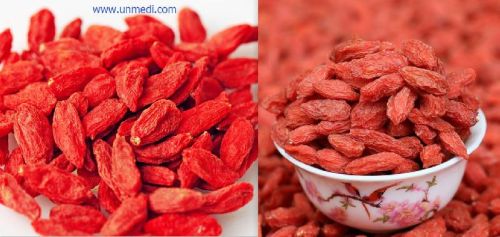
• goji berries have had lots of media attention in recent years, and are thought to be a "superfood." they are certainly rich in nutrients, being packed with vitamins and minerals as well as amino acids and essential fatty acids. Five carotenoids are found in goji berries: beta-carotene, zeaxanthin, lutein, lycopene, and cryptoxanthin. All of these are reputed to contribute to overall health and disease resistance in humans. Even the leaves of the goji plant are edible and nutritious!
• (wolfberry; gou-gi-zi; matrimony vine) chinese culinary and medicinal herb. Used to strengthen muscles and bone, liver function, to restore “vital essences,” and to improve vision. Increases white blood cell counts, and stimulates tissue development. Young leaves and shoots are popular as cooked greens in canton. Sweet berries are eaten raw as a snack or added to soups and stews.
• lycium barbarum (goji berry) plants are native to the himalayas. They also are referred to as wolf berries. Goji berries are called "super fruits" because of their antioxidant, amino acid, essential mineral and protein content. Growing the shrub that produces the goji berry from seed is a little challenging. Like other fruit plants, it takes a few years to get a crop, and the plants must be kept in full sun to do well. They do best when planted outdoors, and they can survive winter cold.
• other names: wolfberry, goji berry, gojiberry, chinese matrimony vine, chinese wolfberry, chinese boxthorn, mede berry, barbary matrimony vine, bocksdorn, duke of argyll's tea tree, murali, red medlar, or matrimony vine.
origin: ningxia,china
how can we ensure the quality of our products?



Connect with us





 For Buyer
  For Seller
  Help
Help 
 Guangdong
 Send Enquiry