
Company Information
 Member Since 8 Years
 Nature of Business Supplier
Ask for more detail from the seller
Contact Supplier
More efficient membrane bioreactors for biological wastewater treatment
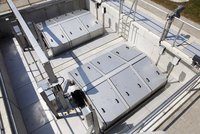
Activated sludge treatment in membrane bioreactors (MBRs) is an especially compact and efficient method of biological wastewater purification. Membrane bioreactors are applied where plants must be very compact due to lack of space and/or where a very high effluent quality is required as the treated water is discharged to highly sensitive watercourses or waterbodies, or is reused as service water, e. g. for irrigation.
With this treatment method the activated sludge is not separated in the secondary clarifier and returned but is retained in the aeration tank by membrane filteIncreasing hydraulic loads, insufficient tank depth and the poor settling behaviour of activated sludge are the most frequent reasons why wastewater treatment plants are unable to reliably meet today’s minimum requirements on solids retention in the outlet. The increased loads of COD, BOD, nitrogen and phosphorus in the effluent will finally result in higher wastewater fees and increase the load of oxygen-consuming substances in receiving watercourses. Especially the accumulation of the nutrients phosphate and nitrate in surface waters can lead to eutrophication, growth of algae and water plants, oxygen depletion, and to fish dying and death of other water animals.
A downstream micro screen is a quick, efficient and economical solution in order to achieve a virtually solids-free effluent and eliminate oxygen-consuming substances.
rs. Biomass concentration in the aeration tank is increased three to fourfold, tank sizes are therefore accordingly small.
The effluent from the membranes (the 'permeate') is solids-free. Our ultrafiltration membranes retain even all bacteria so that the effluent is free of germs (disinfected).
The quality of the permeate from our membrane filters meets the EC standards for bathing waters. Our membrane filters are California Title 22 certified.



Connect with us





 For Buyer
  For Seller
  Help
Help 
 Sharjah
  Send Enquiry