
Company Information
 Member Since 17 Years
 Nature of Business Manufacturer Year of Establishment 2023
Ask for more detail from the seller
Contact Supplier
The moringa leaves are nutritionally very rich, leaving behind carrots, oranges and even milk in terms of nutrition value. The leaves find many uses in Indian cuisine as they are versatile and can be incorporated into the diet in many ways. Adding them to juices and using them as stir-fry vegetables are the most common ways in which they are eaten. When consumed in their natural form, the moringa leaves have no side effects.
Specifications
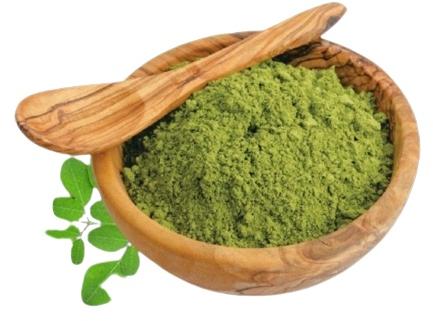
Moringa (Moringa Oleifera) is an important food source in some parts of the world. Moringa leaves retain lots of vitamins and minerals when dried, moringa is used in India and Africa in feeding programs to fight malnutrition. The leaves are cooked and used like spinach, and they are also dried and powdered for use as a condiment. Moringa leaves can be consumed fresh, cooked or as powder. It can be used in tea, in capsules, added to beverages, sprinkled in salads or soup… etc. Moringa contains proteins, vitamins, and minerals. As an antioxidant, it seems to help protect cells from damage.
| Energy value (kcal) | 373.59 |
|---|---|
| Protein (g) | 21.69 |
| Total Carbohydrate (g) | 55.08 |
| Total Sugars (g) Added sugar (g) | BLQ BLQ |
| Total Fat (g) Saturated fat (g) Trans fat(g) | 7.39 1.46 BLQ |
| Cholesterol (mg) | BLQ |
| Sodium (mg) | 147.75 |
| The % Daily Values (DV) based on a 2,000-calorie diet. Your daily value may be higher or lower depending on your calorie needs. *BLQ=Below Quantification | |



Connect with us





 For Buyer
  For Seller
  Help
Help 

 Ichalkaranji, Kolhapur, Maharashtra


 Send Enquiry