


Company Information
 Member Since 7 Years
 Nature of Business Manufacturer
 GST No. 33CHPPS1213P1ZX
Ask for more detail from the seller
Contact Supplier
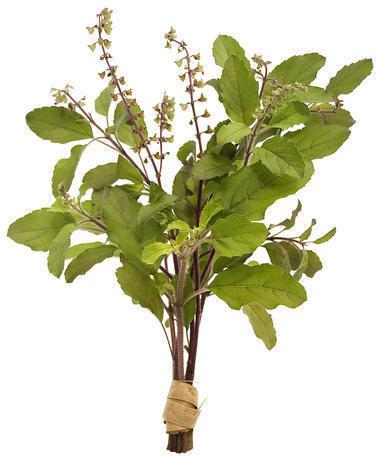
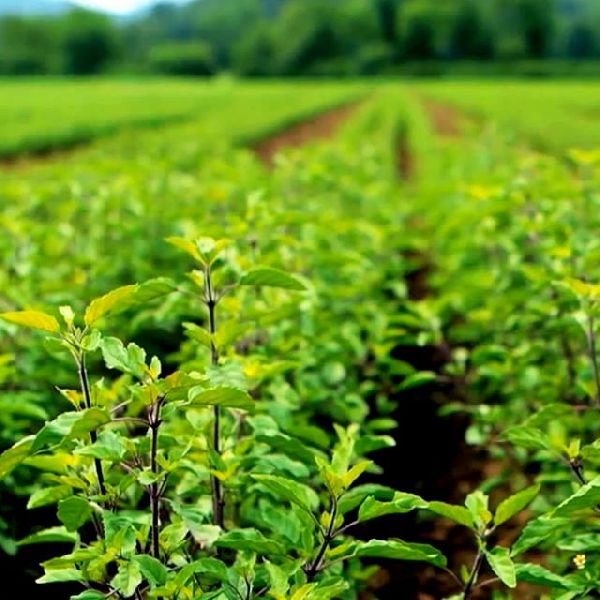
Ocimum tenuiflorum (synonym Ocimum sanctum), commonly known as holy basil, is an aromatic perennial plant in the family Lamiaceae. It is native to the Indian subcontinent and widespread as a cultivated plant throughout the Southeast Asian tropics.
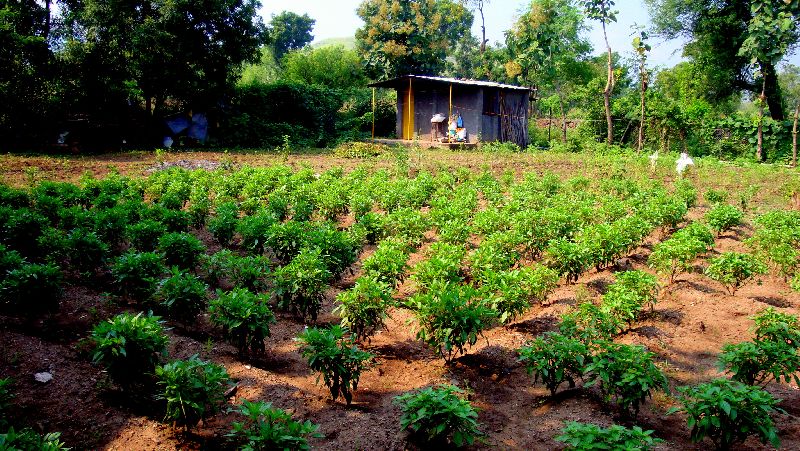
Tulsi is cultivated for religious and traditional medicine purposes, and for its essential oil. It is widely used as a herbal tea, commonly used in Ayurveda, and has a place within the Vaishnava tradition of Hinduism, in which devotees perform worship involving holy basil plants or leaves.
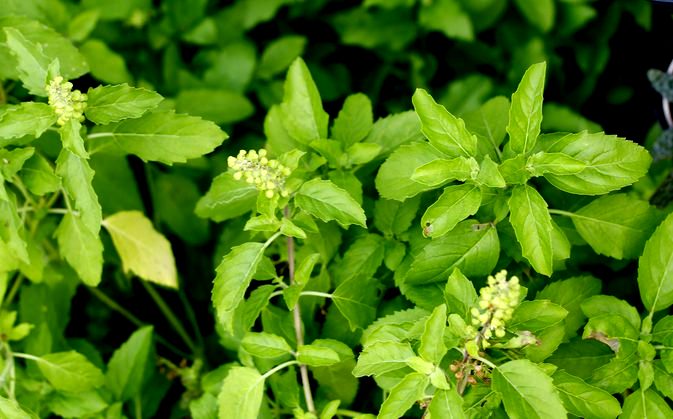
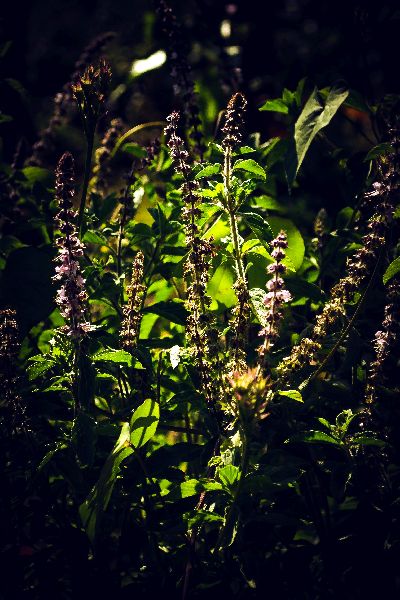
Holy basil is an erect, many-branched subshrub, 30–60 cm (12–24 in) tall with hairy stems. Leaves are green or purple; they are simple, petioled, with an ovate, up to 5 cm (2.0 in)-long blade which usually has a slightly toothed margin; they are strongly scented and have a decussate phyllotaxy. The purplish flowers are placed in close whorls on elongate racemes. The two main morphotypes cultivated in India and Nepal are green-leaved (Sri or Lakshmi tulasi) and purple-leaved (Krishna tulasi).
Some of the phytochemical constituents of tulsi are oleanolic acid, ursolic acid, rosmarinic acid, eugenol, carvacrol, linalool, β-caryophyllene (about 8%).
Tulsi essential oil consists mostly of eugenol (~70%) β-elemene (~11.0%), β-caryophyllene (~8%) and germacrene (~2%), with the balance being made up of various trace compounds, mostly terpenes.



Connect with us





 For Buyer
  For Seller
  Help
Help 

 Bye Pass Road, Madurai, Tamil Nadu
 Send Enquiry