
Company Information
 Member Since 4 Years
 Nature of Business Exporter Year of Establishment 2023
Ask for more detail from the seller
Contact Supplier
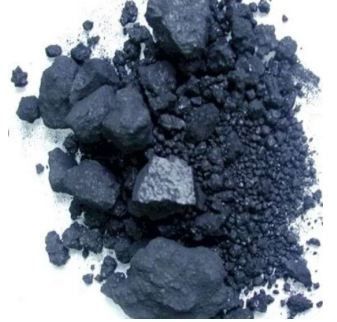
Petroleum coke (petcoke) is a carbon-rich solid material derived from crude oil refining, similar to coal but with notable differences. It 's primarily composed of carbon (90-97%) and also contains smaller amounts of hydrogen, nitrogen, chlorine, sulfur, and other elements. While it shares similarities with coal as a fuel and feedstock, petcoke generally has a higher carbon and sulfur content.
Key characteristics of petcoke:
• Composition: Primarily carbon, with varying amounts of hydrogen, sulfur, and other elements.
• Production: A byproduct of crude oil refining, specifically from processes like coking or cracking.
• Forms: Can be fuel-grade (higher sulfur and metals) or calcined (lower sulfur, used in anodes for aluminum and steel).
• Uses: Fuel at power plants, in cement production, and as a feedstock in the aluminum and steel industries.
• Environmental Considerations: Higher carbon content can lead to increased CO2 emissions compared to coal when burned. Comparison with coal:
• Origin: Coal is a mined sedimentary rock, while petcoke is a refinery byproduct.
• Composition: Petcoke generally has a higher carbon content than many types of coal.
• Sulfur content: Petcoke can have a higher sulfur content than some coals, which can be problematic from an environmental perspective.
• Uses: While both are used as fuel, petcoke finds additional applications in metal production.



Connect with us





 For Buyer
  For Seller
  Help
Help 

 Dubai
Dubai 
 Send Enquiry