
Company Information
 Member Since 11 Years
 Nature of Business Retailer
 GST No. 27AABCL9949B1ZC
Ask for more detail from the seller
Contact Supplier
Sensors
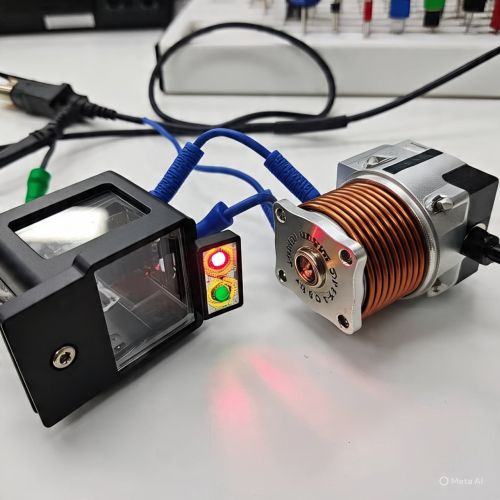
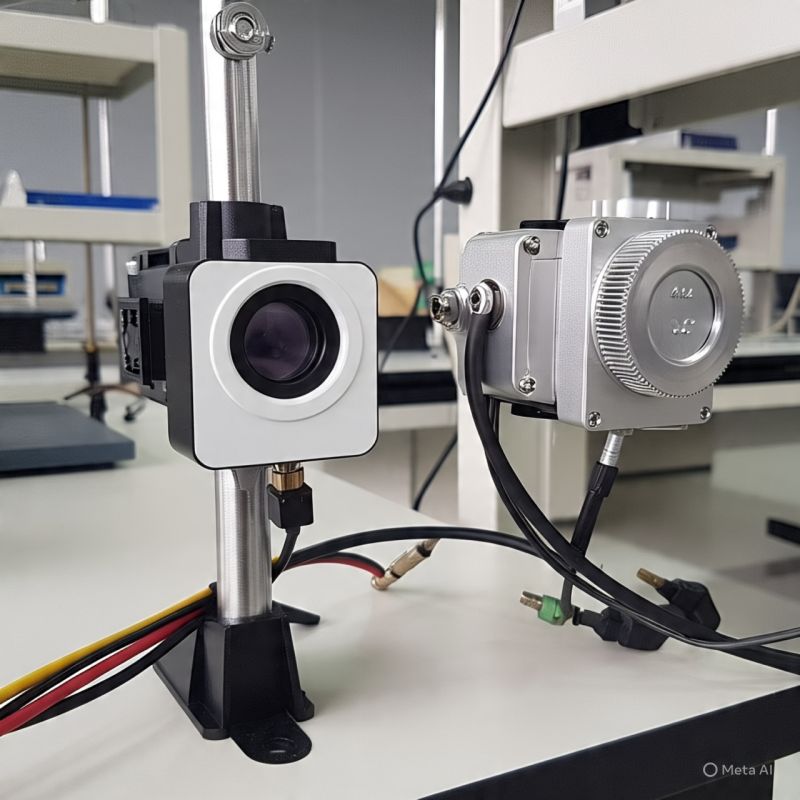
Photoelectric and inductive sensors are critical components in industrial automation systems. Designed for non-contact object detection, they ensure reliability, speed, and safety across conveyor systems, packaging lines, CNC machines, robotics, elevators, and production processes. These sensors enable real-time feedback for controlling position, presence, metal detection, and material movement.
🔍 1. Photoelectric Sensors
✅ Working Principle:
Photoelectric sensors work by emitting a light beam (LED, infrared, or laser). Detection occurs when this beam is interrupted or reflected back by an object.
🔄 Types:
Through-Beam:
Uses separate transmitter and receiver
Long sensing distance (up to 10 meters or more)
High precision
Retro-Reflective:
Uses a reflector; detects interruption in the return beam
Easy alignment; range up to 4–6 meters
Diffuse Reflective:
Senses light reflected directly from the object
Sensing range: 10 cm to 1.5 m
Laser-Based:
leelavati automation
Sharp, narrow beam for accurate, small-part detection
Used in fine assembly and positioning tasks
⚙️ 2. Inductive Proximity Sensors
✅ Working Principle:
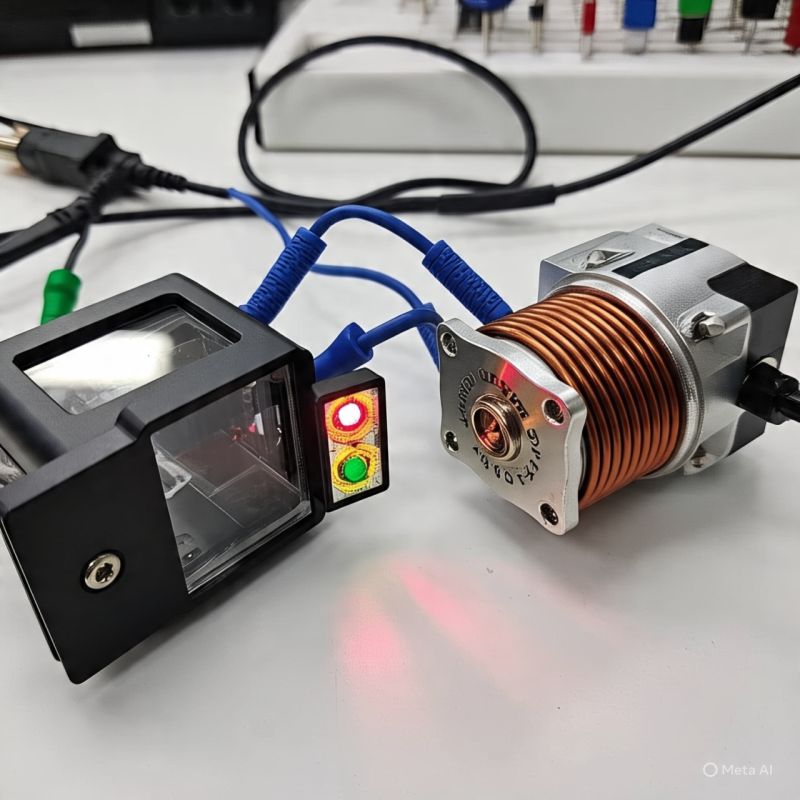
Inductive sensors detect metallic objects by generating an electromagnetic field. When metal enters the field, it changes the inductance, triggering a signal.
🔄 Types:
Flush (Embeddable):
Mounts level with surfaces
Offers short sensing distances
Non-Flush (Protruding):
Extends from mounting surface
Provides longer sensing distances
Analog Output Inductive:
Offers continuous distance feedback (not just ON/OFF)
📐 Specifications & Units
ParameterPhotoelectric SensorsInductive Sensors
Sensing Distance10 mm – 10 m+1 mm – 40 mm
Target DetectionAny object (opaque/reflective)Only metallic objects
Output TypesPNP/NPN, Relay, Analog, IO-LinkPNP/NPN, Analog, IO-Link
Voltage Range10–30V DC or 24V AC10–30V DC
Operating Temperature–25°C to +70°C–25°C to +80°C
Protection RatingIP65 / IP67 / IP69KIP65 / IP67 / IP68
🏭 Applications
Photoelectric SensorsInductive Sensors
Detect objects on conveyorsDetect metal parts in automated assemblies
Label and package detectionPosition sensing in metal machinery
Transparent object sensing (e.g., bottles)End-stop detection in actuators
Print mark and barcode sensingShaft position monitoring
Color or edge detection in printing/textilesProximity sensing in welding, cutting, robots
leelavati automation
🧱 Construction & Materials
Housing: Stainless steel, nickel-plated brass, ABS, or polymer blends
Lens/Window: Acrylic or tempered glass
Connectors: M8/M12, cable tail, or terminal block
Protection: IP65–IP69K for dust, water, and chemical resistance
Sensors can be designed for:
Harsh outdoor conditions
High-pressure washdowns
Hazardous/explosive environments
📤 Signal Outputs
Output TypeFunction
PNP/NPNDigital switching output for logic control
Analog (0–10V / 4–20 mA)Variable signal based on distance
RelayMechanical switch, slower but rugged
IO-LinkDigital communication for smart diagnostics
leelavati automation
💰 Price Range (Indicative)
Sensor Type
Basic Inductive Sensor
Analog Inductive Sensor
Basic Photoelectric Sensor
Laser Photoelectric Sensor
IO-Link Enabled Smart Sensor
based on sensing range, output type, housing material, and certifications.
📄 Warranty & Reliability
Typical warranty: 12 to 24 months
Lifecycle: Up to 100 million switching operations
Features:
Built-in LED indicators
Overload and reverse polarity protection
Self-teach or auto-tune options
leelavati automation
Sensor health diagnostics in smart models
🧠 Smart Factory Integration
Advanced sensors support:
Predictive maintenance
Remote diagnostics
Edge computing
IoT dashboards
Energy-efficient operation
They integrate seamlessly into modern PLC, SCADA, and BMS systems via IO-Link, Modbus, or analog inputs, supporting Industry 4.0 applications.



Connect with us





 For Buyer
  For Seller
  Help
Help 

 Chembur, Mumbai, Maharashtra
 Send Enquiry