Jute cultivation: Jute plants are grown primarily in India.
Harvesting: Jute fibers are extracted from the stalks through a process called retting.
Processing: Fibers are then cleaned, carded, and spun into yarn.Weaving or knitting: Yarn is woven or knitted into jute bags.
Benefits of Jute Bags:
Biodegradable: Jute bags are eco-friendly and decompose naturally.
Sustainable: Jute is a renewable resource, making jute bags a sustainable option.
Durable: Jute bags are strong and can withstand heavy loads.
Reusable: Jute bags can be reused multiple times.
Carbon footprint reduction: Jute bags can help reduce plastic use and carbon emissions. Jute bags are an excellent alternative to plastic bags, offering a more environmentally friendly option for daily use.
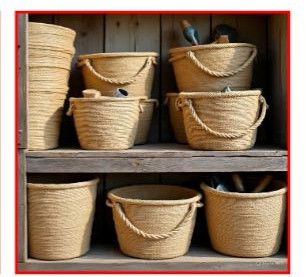
Benefit of using jute Baskets: -
Eco-friendly: Jute is a biodegradable, sustainable, and renewable resource.
Durable: Jute baskets are sturdy and can withstand regular use.
Versatile: They come in various shapes, sizes, and designs, suitable for storage, decoration, or gift-giving.
Breathable: Jute allows for airflow, making it ideal for storing items like fruits, vegetables, or flowers.
Aesthetic appeal: Jute baskets add a natural, earthy touch to home decor.
Affordable: Jute baskets are often priced reasonably.
Interested in this product? Ask for more details & Latest Price from seller




 Member Since 1 Year
 Nature of Business Manufacturer








 For Buyer
  For Seller
  Help
Help 

 24 North Parganas, Kolkata, West Bengal
  Send Enquiry