
Company Information
 Member Since 7 Years
 Nature of Business Retailer
 GST No. 24AAOFB9838P1ZK
Ask for more detail from the seller
Contact Supplier
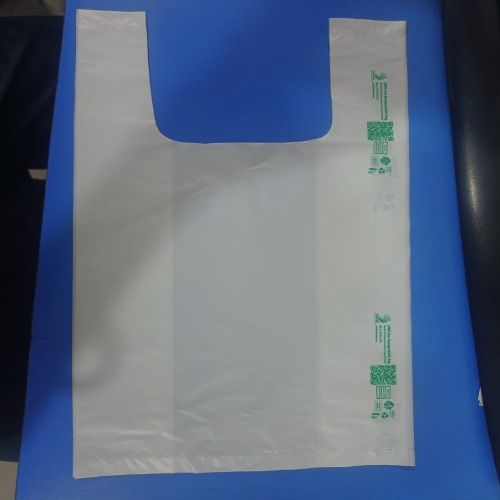
Biodegradable carry bags are eco-friendly alternatives to traditional plastic bags. They are designed to break down naturally over time when exposed to environmental conditions such as moisture, air, and microorganisms. These bags help reduce environmental pollution and are often used for shopping, packaging, and waste disposal.
Key Features:✅ Eco-Friendly: Made from natural or compostable materials like cornstarch, potato starch, or other plant-based polymers.
✅ Biodegradable: Decompose into natural elements like water, carbon dioxide, and biomass without leaving harmful residues.
✅ Non-Toxic: Safe for the environment, animals, and humans.
✅ Reusable & Durable: Can be reused multiple times before degrading, depending on the material and usage.
✅ Variety of Sizes and Designs: Available in different shapes, sizes, and thicknesses to suit various needs (e.g., grocery, retail, garbage bags).
PLA (Polylactic Acid): Derived from corn starch or sugarcane.
PBAT (Polybutylene Adipate Terephthalate): A compostable polymer often blended with PLA.
Paper: Sometimes used with a plant-based coating.
Natural fibers: Like jute or cotton (in cloth bags marketed as biodegradable).
Reduces reliance on single-use plastics.
Helps decrease landfill waste.
Safer for marine and wildlife.
Supports sustainability goals and eco-conscious branding.
Depending on material and conditions, biodegradable carry bags can decompose within 3 to 6 months, compared to hundreds of years for conventional plastic bags.
Common Uses:Grocery and retail shopping
Food packaging
Waste disposal (especially compostable kitchen waste)
Promotional or gift bags
Note: “Biodegradable” does not always mean “compostable.” Compostable bags break down under specific composting conditions, while biodegradable ones can break down naturally, though sometimes over a longer time frame.



Connect with us





 For Buyer
  For Seller
  Help
Help 

 Ranoli, Vadodara, Gujarat
  Send Enquiry