 20,000 - 2 Lakh / piece
Company Information
 Member Since 3 Years
 Nature of Business Manufacturer Year of Establishment 2004
Ask for more detail from the seller
Contact Supplier
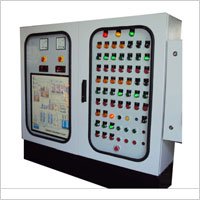
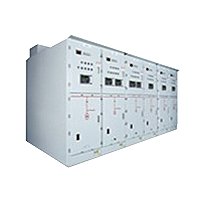
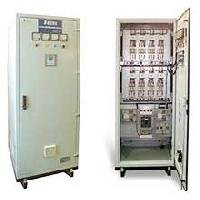
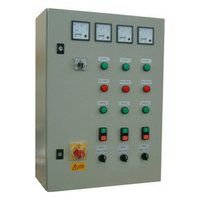
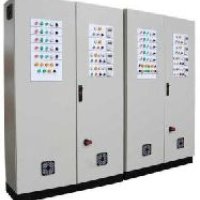
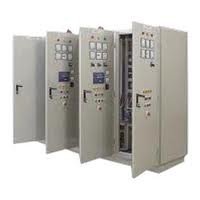
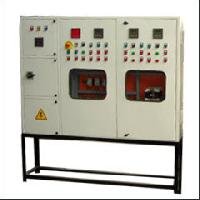
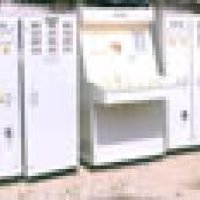
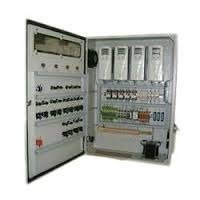
Process control panels are the unsung heroes behind the seamless operation of countless industrial and manufacturing processes. These control panels play a pivotal role in ensuring precision, efficiency, and safety in a wide range of industries, from chemical plants and power generation facilities to food processing and water treatment plants. This comprehensive overview delves into the intricacies of process control panels, highlighting their importance, components, functions, and key applications.
I. Introduction to Process Control Panels Process control panels are central command hubs that manage and regulate industrial processes. They are designed to monitor, control, and automate various aspects of a system, from temperature and pressure to flow rates and chemical compositions. These panels serve as the brain of the operation, allowing operators to make real-time adjustments and maintain the desired conditions.
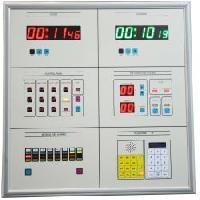
II. Key Components of Process Control Panels HMI (Human-Machine Interface): The HMI is the interface through which operators interact with the control system. It often includes touchscreens, buttons, and indicators that display vital information and allow for input.
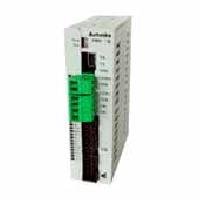
PLC (Programmable Logic Controller): PLCs are the control brains of the system, executing predefined instructions and logic to manage the process. They receive input signals, process data, and trigger output signals accordingly.
Sensors and Transmitters: These devices provide real-time data on process variables like temperature, pressure, level, and flow. They play a crucial role in ensuring the control panel's ability to make informed decisions.
Control Elements: Control elements, such as valves, pumps, motors, and heaters, are responsible for implementing changes in the process based on the PLC's instructions. Communication Interfaces: Control panels often feature communication interfaces that allow them to connect to other systems, enabling data exchange and remote monitoring.
III. Functions of Process Control Panels Data Acquisition: Control panels continuously collect data from sensors and transmitters, providing a real-time snapshot of the process's status. Process Monitoring: Operators can visualize the process through the HMI and monitor various parameters, ensuring everything is running within defined tolerances.
Control: The PLC processes the acquired data and executes control algorithms to make real-time adjustments, maintaining the desired setpoints. Alarming: Control panels can issue alarms when parameters deviate from the acceptable range, enabling immediate operator intervention.
Historical Data Logging: Many control panels can log historical data for analysis, troubleshooting, and compliance with regulatory requirements.
IV. Applications of Process Control Panels Chemical and Petrochemical Industry: Process control panels are essential in managing complex chemical reactions, ensuring safety, and maintaining product quality. Power Generation: These panels control and optimize the operation of power plants, improving efficiency and reducing emissions.
Manufacturing: Control panels are used in manufacturing processes to regulate variables like temperature, pressure, and speed, ensuring consistent product quality. Water Treatment and Wastewater Management: They play a critical role in purifying water and managing sewage treatment processes. Pharmaceuticals and Biotechnology: In highly regulated industries, control panels ensure strict adherence to quality standards and process consistency. Food and Beverage Production: Control panels help maintain food safety and quality while optimizing production.
V. Benefits of Process Control Panels Improved Efficiency: These panels enable automated control, reducing human errors and optimizing resource usage.
Enhanced Safety: They provide safeguards against potential hazards by monitoring and controlling critical parameters.






Connect with us





 For Buyer
  For Seller
  Help
Help 

 Dombivli, Thane, Maharashtra
 Send Enquiry