

Company Information
 Member Since 7 Years
 Nature of Business Manufacturer
 GST No. 33CHPPS1213P1ZX
Ask for more detail from the seller
Contact Supplier
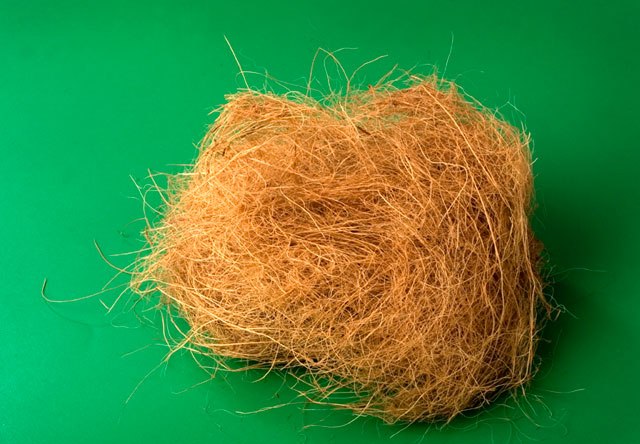
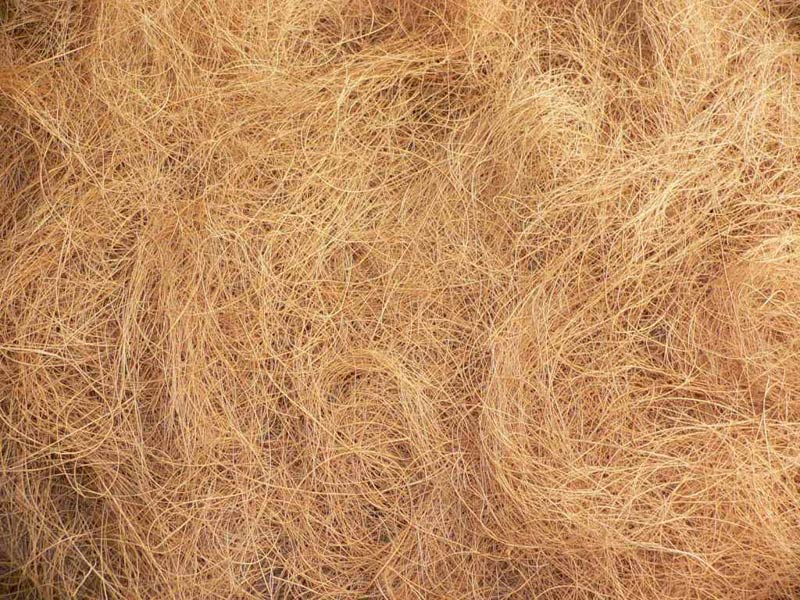
Coco peat (coco-peat), also known as coir pith, coir fibre pith, coir dust, or simply coir, is made from coconut husks, which are by-products of other industries that use coconuts. Coir waste from coir fibre industries is washed, heat-treated, screened and graded before being processed into coco peat products of various granularity and denseness, which are then used for horticultural and agricultural applications and as industrial absorbent.
Usually shipped in the form of compressed bales, briquettes, slabs or discs, the end user usually expands and aerates the compressed coco peat by the addition of water. A single kilogram of coco peat will expand to 15 litres of moist coco peat.
The Advantage of COCO PEAT:
How to use coco-peat:
The normal use of coco-peat in foreign country are the use of coco-peat block form. Then if we need to expand the whole block later immerse the block in a large tub capable of holding at least 25 litres of water. Remove the wet expanded cocopeat that floats in the water. While continuing to add water to the tub till the complete block is expanded. The cocopeat in the bag are light in weight and easily transported to the nursery area or rain shelter greenhouse. For a large grower who needs to expand large number of cocopeat blocks, place the cocopeat blocks vertically with about 1 ft between them. Spray water from a hose on the cocopeat blocks while working on the blocks with hand to expand them into moist cocopeat. Another method is to use machinery to crush the block into powder and then use the dust.
The use of low compression cocopeat for absorption purposes, normally we advise the farmers to simply break and crush the block into powder in the palm of your hand. This method practical for those fragile cocopeat either for locally produced cocopeat or imported cocopeat. The use of cocopeat for potting mix we advise the user to mix the expanded cocopeat with leaf mould or homemade organic manure in the ratio of 1:1. Add red soil or sand in small quantities for large plants, otherwise the cocopeat will not be able to hold the weight of the plants as they grow. Red soil tends to compact over time (despite the cocopeat), so take care not to mix more than one third of the mix. For germination, mix cocopeat, leaf mould and sand in the ratio of 1:1:1. If you are using commercial organic manure, it would be better to mix cocopeat and organic manure in the ratio of 10:1 as commercial organic manures are often of high strength.
If the cocopeat are the hydroponics medium, the techniques for hydroponics it is better to thoroughly wash and buffer the cocopeat before use as most of the nutrient formula available on the web are not meant for growing in coir. First expand the cocopeat block as instructed earlier. Wash the expanded cocopeat in a large tub of soft water for a few minutes. Drain the water and repeat the process. If the cocopeat you bought is unwashed, you will have to repeat the process a couple of times more. Dissolve calcium nitrate in water in the ratio of 1 g per litre and allow the cocopeat to soak in the solution for 12 hours. Drain any remaining solution and wash the cocopeat again in soft water a couple of times. The cocopeat is now ready for use as a hydroponics medium. The use of cocopeat replaces the conventional use of topsoil as planting media. More new agriculture technologies are adapted and towards vertical farming system to increase per square meter productivity. The sowing technology today depends on cocopeat and peat moss as efficient and practical medium for seedling preparation.



Connect with us





 For Buyer
  For Seller
  Help
Help 

 Bye Pass Road, Madurai, Tamil Nadu
 Send Enquiry