
Products / Services
  • Products / Services
  • Companies
  • Buy Leads
    Post Buy Requirement

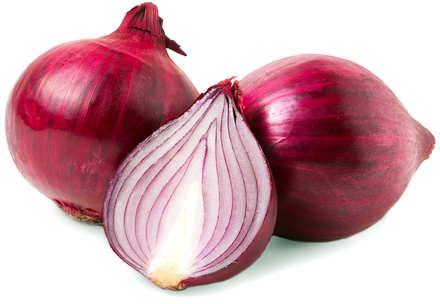
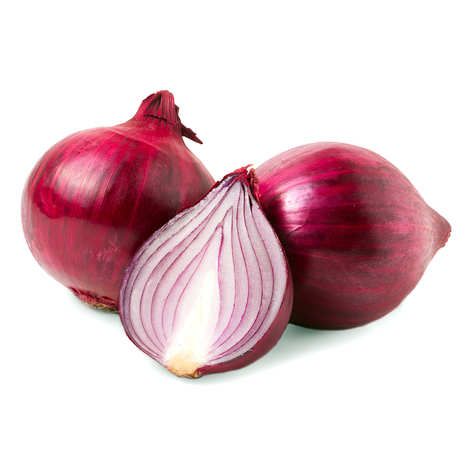
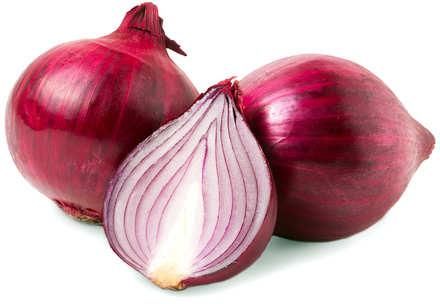
    Red onion, Shape : Round

    ₹ 30 / Kilogram
    Get Latest Price
    • Supply TypeSupplier
    • Preferred Buyer Location All over the world

    Description The onion plant has been grown and selectively bred in cultivation for at least 7,000 years. It is a biennial plant, but is usually grown as an annual. Modern varieties typically grow to....
    View More Details
    Send Enquiry

    Company Information

    • calendar Member Since 4 Years
    • building Nature of Business Exporter
    • gst icon GST No. 27AVFPC8008E1ZX

    Ask for more detail from the seller

    Contact Supplier
    Report incorrect details
    • Product Details

    • Company Details

    no_img_icon

    Description

    The onion plant has been grown and selectively bred in cultivation for at least 7,000 years. It is a biennial plant, but is usually grown as an annual. Modern varieties typically grow to a height of 15 to 45 cm (6 to 18 in). The leaves are yellowish- to bluish green and grow alternately in a flattened, fan-shaped swathe. They are fleshy, hollow, and cylindrical, with one flattened side. They are at their broadest about a quarter of the way up, beyond which they taper towards a blunt tip. The base of each leaf is a flattened, usually white sheath that grows out of the basal plate of a bulb. From the underside of the plate, a bundle of fibrous roots extends for a short way into the soil. As the onion matures, food reserves begin to accumulate in the leaf bases and the bulb of the onion swells. 


    In the autumn, the leaves die back and the outer scales of the bulb become dry and brittle, so the crop is then normally harvested. If left in the soil over winter, the growing point in the middle of the bulb begins to develop in the spring. New leaves appear and a long, stout, hollow stem expands, topped by a bract protecting a developing inflorescence. The inflorescence takes the form of a globular umbel of white flowers with parts in sixes. The seeds are glossy black and triangular in cross section.


    Uses

    Red Onions are known for their sharp pungent flavor and are the onions of choice for everyday use in Asian cuisine. They are also used raw and in grilling.


    Large-Scale Onion cultivation

    • Onions are best cultivated in fertile soils that are well-drained. Sandy loams are good as they are low in sulphur, while clayey soils usually have a high sulphur content and produce pungent bulbs. Onions require a high level of nutrients in the soil. Phosphorus is often present in sufficient quantities, but may be applied before planting because of its low level of availability in cold soils. Nitrogen and potash can be applied at regular intervals during the growing season, the last application of nitrogen being at least four weeks before harvesting
    • Onions may be grown from seeds or from partially grown bulbs called "sets". Because onion seeds are short-lived, fresh seeds germinate more effectively when sown in shallow rows, or "drills," with each drill 12" to 18" apart. As the seedlings emerge and crowd each other, they are progressively thinned until the proper distance, usually 4" to 6", between each plant is attained.[60][62] In suitable climates, certain cultivars can be sown in late summer and autumn to overwinter in the ground and produce early crops the following year.


    Storage

    • Cooking onions and sweet onions are better stored at room temperature, optimally in a single layer, in large mesh bags in a dry, cool, dark, well-ventilated location. In this environment, cooking onions have a shelf life of three to four weeks and sweet onions one to two weeks. Cooking onions will absorb odours from apples and pears. Also, they draw moisture from vegetables with which they are stored which may cause them to decay. 
    • Sweet onions have a greater water and sugar content than cooking onions. This makes them sweeter and milder tasting, but reduces their shelf life. Sweet onions can be stored refrigerated; they have a shelf life of around 1 month. Irrespective of type, any cut pieces of onion are best tightly wrapped, stored away from other produce, and used within two to three days


    Here are 9 impressive health benefits of onions.
    • Packed With Nutrients
    • May Benefit Heart Health
    • Loaded With Antioxidants
    • Contain Cancer-Fighting Compounds
    • Help Control Blood Sugar
    • May Boost Bone Density
    • Have Antibacterial Properties
    • May Boost Digestive Health.


    Product Images

    • red onion
    • red onion
    • red onion
    • red onion
    • red onion
    • red onion
    Share your requirements for a quick response!
    Tell us what you need?

    Looking for red onion?

    Quantity
    Seller Contact Details
    To list your productBoost Your Business Visibility WorldwideRegister Now
    To list your productBoost Your Business Visibility WorldwideRegister Now
    Waiting for permission
    To search by voice, go to your browser settings and allow access to microphone

    Allow microphone access to search with voice