
Company Information
 Member Since 4 Years
 Nature of Business Supplier
Ask for more detail from the seller
Contact Supplier
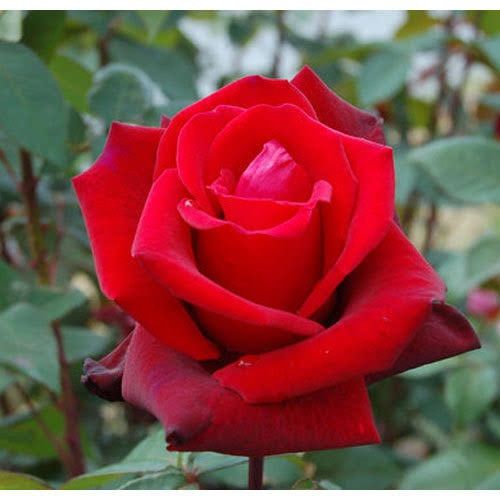
Roses, scientifically known as Rosa, are iconic flowering plants cherished for their exquisite beauty, intoxicating fragrance, and symbolic significance. With thousands of cultivars and varieties available, roses offer a diverse range of colors, forms, and fragrances, making them one of the most beloved and versatile plants in gardens around the world. Here are some key features and characteristics of rose plants: Key Features: Colorful Flowers: Roses produce an abundance of stunning flowers in a wide range of colors, including red, pink, yellow, white, orange, purple, and bi-color varieties. The flowers may be single or double, with different forms such as tea roses, hybrid tea roses, floribunda roses, and grandiflora roses. Fragrance: Many rose varieties are prized for their enchanting fragrance, which varies from delicate and sweet to rich and spicy, depending on the cultivar. The scent of roses adds a sensory dimension to gardens and landscapes, evoking feelings of romance, nostalgia, and tranquility. Long Blooming Period: Roses typically bloom from late spring to fall, depending on the climate and growing conditions. With proper care, some rose varieties can produce flowers continuously throughout the growing season, providing weeks to months of color and beauty in the garden. Versatility: Roses are versatile plants that can be used in various garden settings, including flower beds, borders, hedges, containers, and even as cut flowers. They are equally at home in formal gardens, cottage gardens, and contemporary landscapes, adding elegance and charm to any setting. Cultural Significance: Throughout history, roses have held cultural and symbolic significance in many cultures and traditions. They are often associated with love, romance, beauty, and passion, and are commonly used in weddings, anniversaries, and other special occasions to convey heartfelt sentiments.



Connect with us





 For Buyer
  For Seller
  Help
Help 

 Rohini, Delhi
 Send Enquiry