
Company Information
 Member Since 4 Years
 Nature of Business Manufacturer Year of Establishment 2000
Ask for more detail from the seller
Contact Supplier
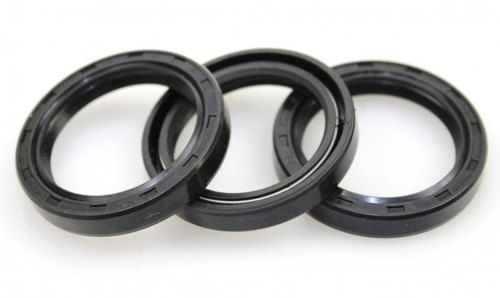
Material: Oil seals can be made from various materials, including rubber (such as nitrile, silicone, or fluorocarbon), polyurethane, or a combination of rubber and metal. The choice of material depends on factors like the type of fluid, temperature range, pressure, and chemical compatibility.
Size: Oil seals come in different sizes, typically specified by their inner diameter (ID), outer diameter (OD), and width. These dimensions are measured in millimeters (mm) or inches (in) and need to be compatible with the shaft and housing dimensions.
Lip Design: The lip design of an oil seal can vary depending on the application requirements. Common lip designs include single lip, double lip, or specialized designs like V-rings or labyrinth seals. The lip design affects factors such as sealing efficiency, friction, and resistance to contaminants.
Spring: Many oil seals have a metal spring incorporated into their design. The spring provides radial tension on the sealing lip, ensuring proper contact with the shaft and enhancing the seal's performance.
Temperature and Pressure Rating: Oil seals have specific temperature and pressure ratings that indicate their ability to withstand different operating conditions. These ratings are important to ensure the seal's effectiveness and longevity.
Chemical Compatibility: Just like O-rings, oil seals may come into contact with various fluids, so it is essential to consider the chemical compatibility of the seal material with the specific fluid or environment it will encounter.



Connect with us





 For Buyer
  For Seller
  Help
Help 

 Gurugram, Haryana
 Send Enquiry