
Company Information
 Member Since 9 Years
 Nature of Business Retailer Year of Establishment 2016
Ask for more detail from the seller
Contact Supplier
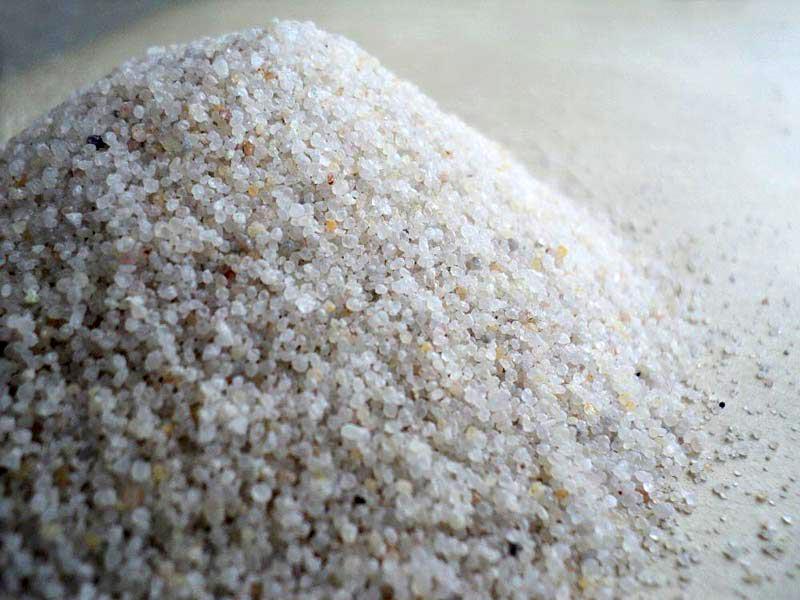
Silicon and oxygen are the earth's two most abundant elements and together they make silica, one of the earth's three most common rock forming minerals.
Silica occurs in three main crystalline forms. The principal occurrence is as the mineral quartz but it also occurs in other rarer mineral forms known as tridymite and cristobalite. It is a very durable mineral resistant to heat and chemical attack and it is these properties that have made it industrially interesting to man.
The first industrial uses of crystalline silica were probably related to metallurgical and glass making activities a few thousand years BC. It has continued to support human development throughout history, being a key raw material in the industrial revolution especially in the glass, foundry and ceramics industries. Silica contributes to today's information technology revolution being used in the plastics of computer mouses and providing the raw material for silicon chips.
For industrial use, pure deposits of silica sand capable of yielding products of at least 95% silica are required. Often much higher purity values are needed. Deposits where such sand can be found are comparatively rare in the UK.
Uses of Silica Sand :
The main end uses of silica sand are:
Glass;
Silica is the major ingredient in virtually all types of glass. The principal glass products include containers (bottles and jars), flat glass (windows, mirrors, vehicle glazing etc.), lighting glass (light bulbs, fluorescent tubes, etc.), tableware (lead crystal, drinking glasses etc.), TV tubes and screens, decorative glass, fibreglass, optical glass and vacuum flasks.
Foundry casting:
Silica has a high melting point, 1610 degrees C. This enables castings to be produced by pouring molten metal into moulds made out of silica sand.
Ceramics :
Silica that has been ground to fine size is an ingredient of most clay bodies and is a major constituent of ceramic glazes. Typical everyday products include tableware, sanitaryware, ornaments and wall and floor tiles.
Filtration:
Closely sized grades of silica sand is the principal filtration medium used by the water industry to extract solids from wastewater.
Specialist building applications:
The construction industry is founded on silica and there are a host of specialist applications including silica and aerated concrete blocks, floor and roof tiles, flooring and rendering compounds, white line markings, roofing felt and cement and resin injection systems. Silca Sands Image
Sports and leisure:
Silica sand is used for equestrian surfaces, in artificial turf, golf course root zones and dressings, football and cricket and other pitches and as play sands.
Other users:
Silica has many other applications including the manufacture of chemicals and metals, fillers in numerous products, plastic and otherwise, the manufacture of refractories, stimulating oil production and as additives in agricultural and horticultural products. It is difficult to imagine a life without silica! Silca Sands Image
Production of silica sand :
High grade silica sand is usually found as unconsolidated deposits below thin layers of soil and overburden. After quarrying, the sand often undergoes considerable processing before sale. The processing may include washing and cleaning of the grains, sizing to remove coarse and very fine fractions, and physical and chemical processes to remove iron, chromium and other deleterious minerals. After processing, the sand may be dried and some applications require it to be ground in ball mills to produce very fine material.



Connect with us





 For Buyer
  For Seller
  Help
Help 

 Zadeshwar, Bharuch, Gujarat
 Send Enquiry