
Company Information
 Member Since 1 Year
 Nature of Business Manufacturer / Supplier
Ask for more detail from the seller
Contact Supplier
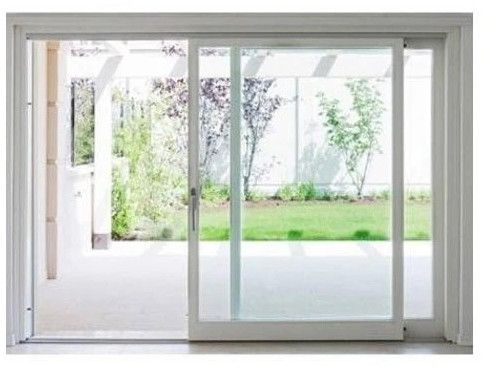
Construction: Sliding doors consist of large panels of glass (or sometimes other materials) that slide horizontally along tracks. The panels are typically framed with materials like aluminum, wood, or vinyl for durability and aesthetics.
Types:
Single-panel: Consists of one large sliding panel.
Bi-parting: Two panels that slide apart from the center, meeting in the middle.
Multi-panel: More than two panels that stack or slide behind one another.
Operation: Sliding doors operate smoothly on tracks and are usually equipped with rollers or glides at the bottom for easy movement. Some advanced systems may include automatic or motorized options for opening and closing.
Design Options: They come in various designs, from traditional to contemporary styles, and can feature different types of glass (clear, frosted, tinted) and frame finishes to match the aesthetic preferences of the space.
Benefits:
Space-saving: Since sliding doors do not swing open like traditional doors, they are ideal for areas with limited space.
Natural Light: They allow ample natural light to enter the interior, enhancing the feeling of spaciousness.
Indoor-Outdoor Flow: Sliding doors are often used to connect indoor spaces with outdoor areas such as patios or gardens, creating a seamless transition.
Applications: Commonly used for entrances to patios, balconies, and garden areas in residential settings. In commercial buildings, they are often used for office partitions, conference rooms, and entrances to meeting spaces.



Connect with us





 For Buyer
  For Seller
  Help
Help 

 Viyyur, Thrissur, Kerala
 Send Enquiry