
Company Information
 Member Since 1 Year
 Nature of Business Manufacturer Year of Establishment 2023
Ask for more detail from the seller
Contact Supplier
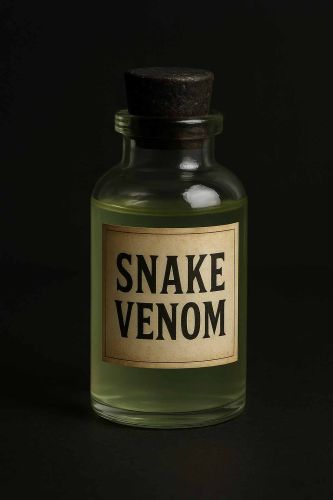
Snake Venom – Properties, Research Applications & Safety
Snake venom is a complex biological secretion produced by the specialized salivary glands of venomous snakes. It contains a potent mix of proteins, peptides, and enzymes that function as a natural defense and hunting mechanism. Beyond its ecological role, snake venom holds immense scientific value, particularly in antivenom production, pharmaceutical research, and biomedical studies.
Composition of Snake Venom
The composition of snake venom varies by species but generally includes:
Neurotoxins – Affect the nervous system and cause paralysis.
Hemotoxins – Disrupt blood clotting and damage circulatory tissues.
Cytotoxins – Destroy cells and local tissues, causing necrosis.
Enzymes – Such as phospholipases, proteases, and hyaluronidases that enhance venom spread and potency.
These active compounds make snake venom both extremely dangerous in nature and highly valuable in medical science.
Legitimate Applications
Antivenom Production – The primary medical use of snake venom, essential for treating snakebites.
Pharmaceutical Research – Used to isolate bioactive molecules for drug development, including blood pressure medications and anticoagulants.
Medical Diagnostics – Applied in studying coagulation pathways and enzyme activity.
Educational & Laboratory Research – Valuable in toxicology, zoology, and biochemical education.
Safety & Handling
Snake venom must only be handled by qualified professionals in authorized laboratories equipped with proper biosafety controls.
Storage typically involves freeze-dried or refrigerated conditions to preserve stability.
It is a regulated biological material, requiring permits for possession, use, and transport.
Unauthorized handling or trade of snake venom is strictly prohibited by law.
Regulatory Overview
Due to its high toxicity and misuse potential, snake venom is subject to stringent international regulations. Licensed handling requires compliance with:
CITES (Convention on International Trade in Endangered Species)
WHO Biosafety Guidelines
National laws governing hazardous biological materials
All research and commercial use must follow ethical, environmental, and safety protocols to ensure responsible utilization of this potent natural substance.



Connect with us





 For Buyer
  For Seller
  Help
Help 

 Miri
Miri  Send Enquiry