
Company Information
 Member Since 5 Years
 Nature of Business Manufacturer
 GST No. 23CIKPK0682C1ZK
Ask for more detail from the seller
Contact Supplier
🐄 Soya Hulls for Cattle Feed: Nutrition, Uses & Benefits
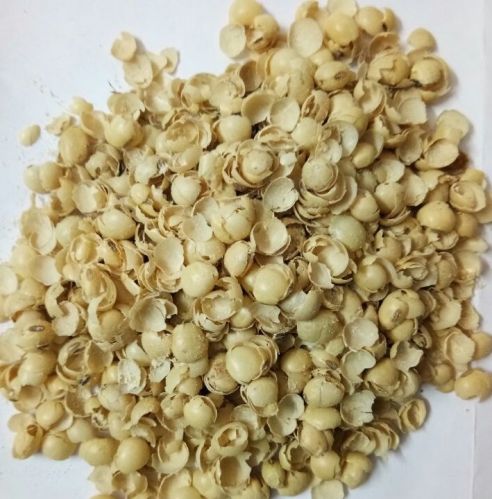
Soya Hulls are a byproduct obtained during the processing of soybeans for oil and meal. After the outer shell (hull) of the soybean is removed, it is cleaned and sometimes ground into smaller flakes to make it easier for cattle to digest. Instead of being wasted, these hulls are widely used in the livestock industry as a high-fiber, energy-rich feed ingredient.
✅ Nutritional Value of Soya Hulls
Soya Hulls are known for their high fiber content, moderate protein levels, and excellent digestibility. The fiber is more fermentable compared to crop residues like wheat straw or rice husk, which means cattle can convert it into energy more efficiently. Soya hulls are also low in starch, making them safer for digestion and reducing the risk of acidosis in dairy cattle.
Crude Fiber: 30–35%
Crude Protein: 10–12%
Energy: Comparable to good quality hay
Digestibility: Very high, making it a reliable energy source
✅ Uses of Soya Hulls in Dairy & Cattle Feed
Farmers and feed manufacturers use soya hulls as a bulk feed ingredient to improve ration balance. It is especially useful in dairy rations where extra fiber is required without losing energy. It can be fed directly, pelleted, or mixed with other ingredients like maize, cotton seed cake, or DDGS to create a complete cattle feed.
✅ Advantages of Soya Hulls
Highly digestible fiber compared to other roughages
Helps improve milk fat percentage in dairy cattle
Affordable and readily available in soybean-producing regions
Can replace part of costly grains in the ration
Safe for rumen health due to low starch content
📌 Conclusion
Soya Hulls are an economical, digestible, and fiber-rich cattle feed ingredient that supports better animal health and higher milk production. With growing demand for cost-effective and balanced dairy rations, soya hulls continue to gain importance in the Indian feed market.



Connect with us





 For Buyer
  For Seller
  Help
Help 

 Indore Suburb, Indore, Madhya Pradesh

 Send Enquiry