
Company Information
 Member Since 7 Years
 Nature of Business Manufacturer Year of Establishment 2016
Ask for more detail from the seller
Contact Supplier
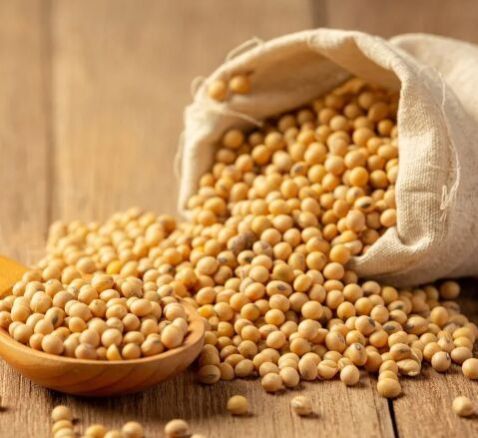
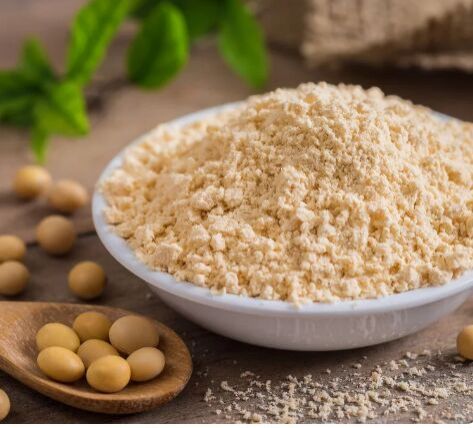
Nutritional Profile: Soybeans are renowned for their impressive protein content, offering approximately 36 grams of protein per 100 grams serving when cooked. Additionally, they provide essential amino acids, fiber, and an array of vitamins (including folate, vitamin K, and vitamin C) and minerals (such as iron, calcium, and magnesium). Versatility: Soy protein manifests in various forms, from tofu and tempeh to soy milk, yogurt, and protein powder. Tofu, known as bean curd, lends itself to savory and sweet dishes alike, thanks to its mild flavor and adaptable texture. Tempeh, a fermented soybean product, boasts a nutty flavor and firm consistency, making it ideal for grilling, stir-frying, and baking. Soy milk and yogurt serve as dairy-free alternatives, enriching beverages, smoothies, and desserts. Soy protein powder offers a convenient means to fortify shakes, smoothies, and baked goods with protein. Complete Protein: As one of the few plant-based proteins deemed complete, soy protein contains all nine essential amino acids essential for bodily functions, making it a standout alternative to animal-derived proteins. Allergen and Gluten-Free: Naturally devoid of common allergens such as gluten, dairy, and nuts, soy protein caters to individuals with dietary sensitivities or allergies, offering a wholesome and inclusive option. Sustainability: Soybeans boast an eco-friendly profile compared to animal-based proteins, boasting a lower carbon footprint and water usage. Their efficient resource utilization underscores their role in sustainable protein production. Cooking Tips: Elevate soy protein’s taste and texture by experimenting with diverse cooking methods and flavorings. Marinating tofu or tempeh prior to cooking infuses depth of flavor and moisture, while spices, herbs, and sauces enhance culinary creations centered around soy protein.



Connect with us





 For Buyer
  For Seller
  Help
Help 
 Ahmedabad, Gujarat
 Send Enquiry