
Company Information
 Member Since 11 Years
 Nature of Business Manufacturer
 GST No. 09AAAFE7948P1ZO
Ask for more detail from the seller
Contact Supplier
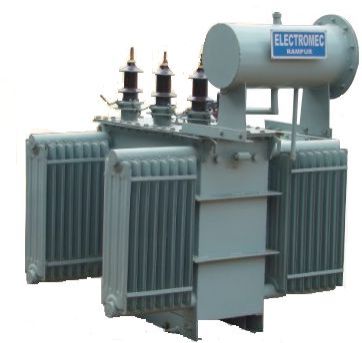
Station transformers are a type of transformer that is used in electrical substations to step-up or step-down the voltage of the electrical power supply. They are critical components of the power distribution and transmission system, responsible for the safe and efficient delivery of electricity to consumers.
Station transformers are typically located in electrical substations, where they are used to transform the voltage of the electrical power supply from the high voltage used in the transmission lines to the lower voltage used by consumers. They are available in a wide range of sizes and capacities, depending on the application.
The design and construction of station transformers are critical to ensuring the safe and reliable operation of the electrical power supply system. Station transformers must be designed to withstand high levels of electrical stress and to operate under a wide range of operating conditions.
The core and coil assembly of a station transformer is designed to minimize energy loss and reduce heat generation. The coils are wound to precise specifications to ensure efficient energy transfer, while the core is carefully designed to minimize hysteresis and eddy current losses.
Station transformers are designed to meet a range of industry standards and regulations, including the National Electrical Code (NEC) and the International Electrotechnical Commission (IEC) standards. They are also subjected to rigorous testing and inspection to ensure that they meet the required performance and safety standards.
Overall, station transformers are critical components of the power distribution and transmission system, responsible for the safe and reliable delivery of electricity to consumers. Their design and construction are essential to ensuring optimal performance and long-term reliability



Connect with us





 For Buyer
  For Seller
  Help
Help 

 Bardhpura Sharki, Rampur, Uttar Pradesh


 Send Enquiry