
Company Information
 Member Since 7 Years
 Nature of Business Retailer
Ask for more detail from the seller
Contact Supplier
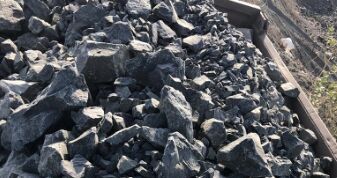
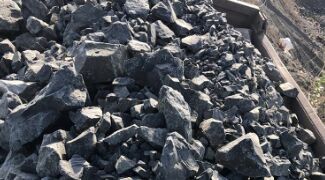
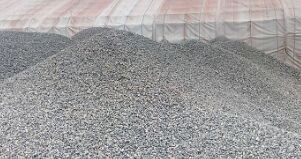
Construction aggregate or aggregate is a broad category of coarse particulate material used in construction, including sand, gravel, crushed stone, slag, recycled concrete and geosynthetic aggregates. Aggregates are the most mined materials in the world.Crushed stone or Stone or angular rock is a construction aggregate. It is created by mining a suitable rock formation and then using a crusher to break down the stone into different sizes. Crushed stone differs from gravel in that gravel has a more rounded shape and is made by the natural processes of weathering and erosion.Crushed stone has continuously been used for a variety of construction needs because of its versatility. It is one of the most common and accessible natural resources on the planet. It is one of our most abundant and basic of raw materials.Uses of stone aggregatesStones are used in various industries from construction to agriculture.Their uses are:Used in paving blocks and concrete for sidewalks, driveways, patios, homes, office buildings and paved roads as a base or sub – base material or in the process of cement manufacture.Used as a flux in blast furnaces to create liquid slag which, when cooled, becomes a stone material that is crushed and used as a construction aggregate.Placed on the ground in landscapes around trees, drains and as tracking pads on construction sites.A road construction technique called Macadam uses stones in which the strength of the road depends upon the interlocking of the stones due to their angular shapes.Used with a binding material in walls for shorelines in order to protect against erosion from water or ice.Used in railroad constructionUsed in sewage treatment systemsUsed in the manufacture of agricultural limeTypesTypes of crushed stone are categorized by the size of the stone after it has been crushed.6mm10mm20mm45 – 65 mmRailway BallastBoulders ( As per client’s requirement )Quarry Dust
| Sr No | Parametrs | Unit | Result Obtained | Requirements |
| 1 | Water Absorbtion | % | 0.73 | |
| 2 | Specefic Gravity | % | 2.84 | |
| 3 | Impact Value | % | 11.73 | shall be <45% |
| 4 | Crushing Value | % | 13.45 | shall be <45% |
| 5 | Abrasion Value | % | 14.34 | shall be <45% |
| 6 | Oranic Impurties | % | NIL | |
| 7 | Deletrious Material | % | 0.84 | Max 5% |
| 8 | Soundness Material% | % | 1.79 | Max 18% |
| 9 | Sulphate (as SO3) | % | 0.0126 | |
| 10 | Chlorides as Cl | % | 0.023 | 0.6 kg/m3 in RCC |
| 12 | Flakiness Index | % | 13.13 | COMBINED SHALL BE <30% AS PER North |
| 13 | Elongation Index | % | 15.35 |
| Sr No | Sieve Size | % Passing | Requirements |
| 1 | 90.MM | 100 | 100 |
| 2 | 63.0 MM | 93.45 | 90-100 |
| 3 | 53.0 MM | 45.32 | 25-75 |
| 4 | 45 .0MM | 0.06 | 0-15 |
| 5 | 22.94MM | 0 | 0-5 |
Download Table
Test report of AGGREGATE 10MM.
| Sr No | Parametrs | Unit | Result Obtained | Requirements |
| 1 | Water Absorbtion | % | 0.73 | |
| 2 | Specefic Gravity | % | 2.84 | |
| 3 | Impact Value | % | 11.73 | shall be <45% |
| 4 | Crushing Value | % | 13.45 | shall be <45% |
| 5 | Abrasion Value | % | 14.34 | shall be <45% |
| 6 | Oranic Impurties | % | NIL | |
| 7 | Deletrious Material | % | 0.84 | Max 5% |
| 8 | Soundness Material% | % | 1.79 | Max 18% |
| 9 | Sulphate (as SO3) | % | 0.0126 | |
| 10 | Chlorides as Cl | % | 0.023 | 0.6 kg/m3 in RCC |
| 12 | Flakiness Index | % | 13.13 | COMBINED SHALL BE <30% AS PER North |
| 13 | Elongation Index | % | 15.35 |
| Sr No | Sieve Size | % Passing | Requirements |
| 1 | 12.5MM | 100 | 100 |
| 2 | 10.0 MM | 93.45 | 85-100 |
| 3 | 4.75 MM | 13.45 | 0-20 |
| 4 | 2.36 | 0.1 | 0-5 |



Connect with us





 For Buyer
  For Seller
  Help
Help 

 Tagore Road, Gandhidham, Gujarat
 Send Enquiry