
Company Information
 Member Since 1 Year
 Nature of Business Manufacturer
 GST No. 27POKPS1396E1Z6
Ask for more detail from the seller
Contact Supplier
Description:
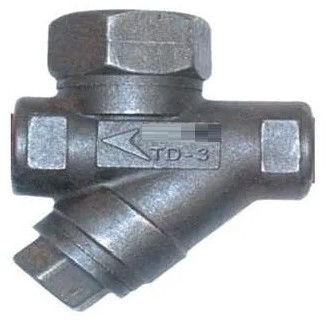
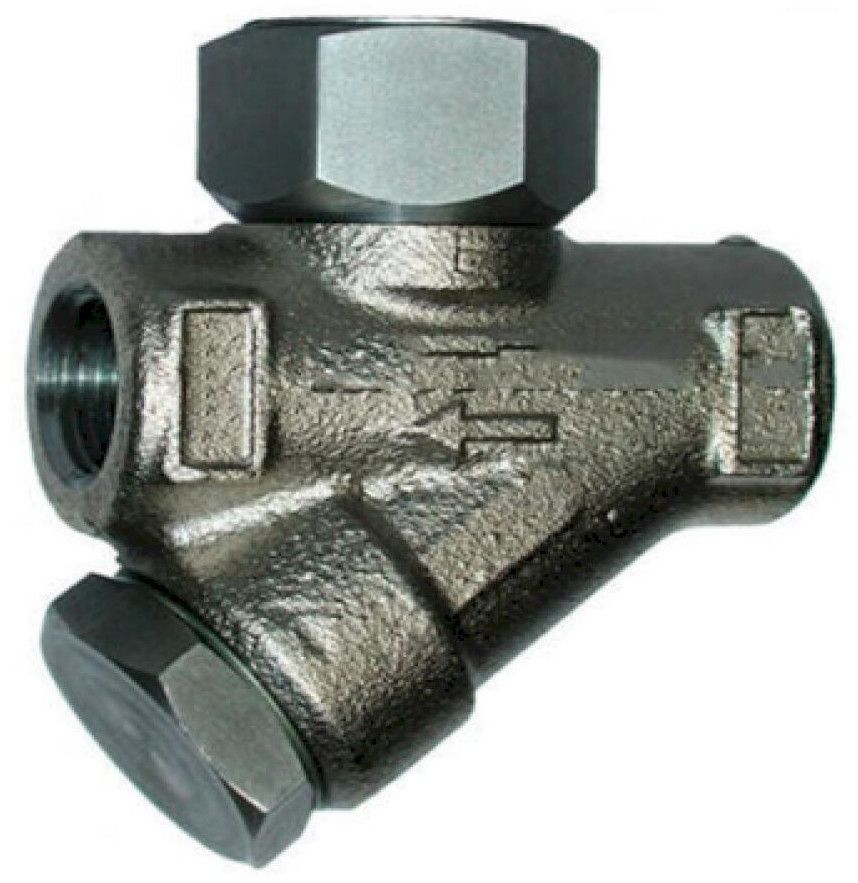
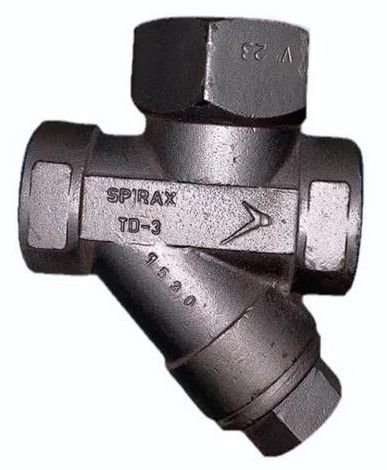
The TD (Thermodynamic) steam trap operates on the principle of pressure and temperature difference between steam and condensate. It has a simple design—usually a flat disc on a seat inside a chamber.
🧩 Main Components:
Body: Typically made of stainless steel or carbon steel, designed to withstand high pressure and temperature.
Disc: Moves up and down based on pressure differences.
Seat: The sealing surface for the disc.
Cover: Houses the disc and provides access for maintenance.
🔧 Working Principle:
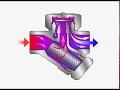
Condensate Entry: When condensate enters, it lifts the disc, allowing discharge through the outlet.
Steam Arrival: When steam reaches the trap, the pressure above the disc increases rapidly.
Disc Closes: The high-pressure steam above the disc holds it closed until the steam cools and condenses.
Cycle Repeats: Once the steam condenses, pressure drops, the disc lifts again, and the process repeats automatically.
📐 Key Features:
Compact, simple, and robust construction
Suitable for high pressure and high temperature applications
Operates in any position (horizontal or vertical)
No moving parts other than the disc — low maintenance
Resistant to water hammer and vibration
⚙️ Typical Specifications (for example – TD42 model):
| Type | Thermodynamic Steam Trap |
| Connection | Screwed / Flanged / Socket Weld |
| Size Range | 1/2" to 1" (DN15–DN25) |
| Pressure Range | Up to 42 bar (depending on model) |
| Temperature | Up to 450°C |
| Body Material | Stainless Steel / Carbon Steel |
| Application | Steam mains, tracing lines, process equipment |
🏭 Applications:
Steam distribution lines
Steam tracing for pipelines
Drip points
Small process equipment
Steam headers and manifolds



Connect with us





 For Buyer
  For Seller
  Help
Help 

 Pimpri Chinchwad, Pune, Maharashtra
  Send Enquiry