
Products / Services
  • Products / Services
  • Companies
  • Buy Leads
    Post Buy Requirement

    Telomere and Chromosome Disease Non-invasive Diagnosis and Therapy

    • Business TypeService Provider
    • Preferred Buyer Location All over the world

    NON-INVASIVE DIAGNOSIS AND TREATMENT FOR TELOMERE / CHROMOSOMES   A compound structure at the end of a chromosome. Telomeres may be one key to the aging process. Telomeres protect our DNA by....
    View More Details
    Send Enquiry

    Company Information

    • calendar Member Since 9 Years
    • building Nature of Business Service Provider
    • Year of Establishment 1988

    Ask for more detail from the seller

    Contact Supplier
    Report incorrect details
    • Service Details

    • Company Details

    no_img_icon

    NON-INVASIVE DIAGNOSIS AND TREATMENT FOR TELOMERE / CHROMOSOMES


    A compound structure at the end of a chromosome.

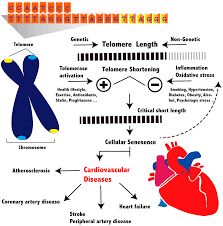
    • Telomeres may be one key to the aging process. Telomeres protect our DNA by acting as buffers at the ends of chromosomes. They have been compared to the plastic caps on shoelaces that keep the lace from fraying. Telomeres function as shoelace caps do, but they protect genes instead of shoelaces.
    • Telomeres are an essential part of human cells that affect how our cells age. Telomeres are the caps at the end of each strand of DNA that protect our chromosomes, like the plastic tips at the end of shoelaces. Without the coating, shoelaces become frayed until they can no longer do their job, just as without telomeres, DNA strands become damaged and our cells can’t do their job.
    • In any living organism, aging is the result of the decrease in the number and / or function of cells. Every time cells replicate, telomeres shorten until they reach a point where the cells can no longer divide properly. Cells with such short telomeres usually become senescent or enter apoptosis, and eventually die. Therefore, telomere length is a crucial biomarker providing insight into understanding organismal aging.
    • A telomere is a region of repetitive nucleotide sequences at each end of a chromosome, which protects the end of the chromosome from deterioration or from fusion with neighboring chromosomes. In humans, average telomere length declines from about 11 kilobases at birth to less than 4 kilobases in old age, with average rate of decline being greater in men than in women.
    • During chromosome replication, the enzymes that duplicate DNA cannot continue their duplication all the way to the end of a chromosome, so in each duplication the end of the chromosome is shortened. The telomeres are disposable buffers at the ends of chromosomes which are truncated during cell division; their presence protects the genes before them on the chromosome from being truncated instead.
    • Over time, due to each cell division, the telomere ends become shorter. They are replenished by an enzyme, telomerase reverse transcriptase.


    PDF


    Download Detail File : Click Here
    Share your requirements for a quick response!
    Tell us what you need?

    Looking for Telomere and Chromosome Disease Non-invasive Diagnosis and Therapy?

    Quantity
    Contact Details
    To list your productBoost Your Business Visibility WorldwideRegister Now
    To list your productBoost Your Business Visibility WorldwideRegister Now
    Waiting for permission
    To search by voice, go to your browser settings and allow access to microphone

    Allow microphone access to search with voice