

Company Information
 Member Since 13 Years
 Nature of Business Retailer
 GST No. 05DKGPG5845E1ZA
Ask for more detail from the seller
Contact Supplier
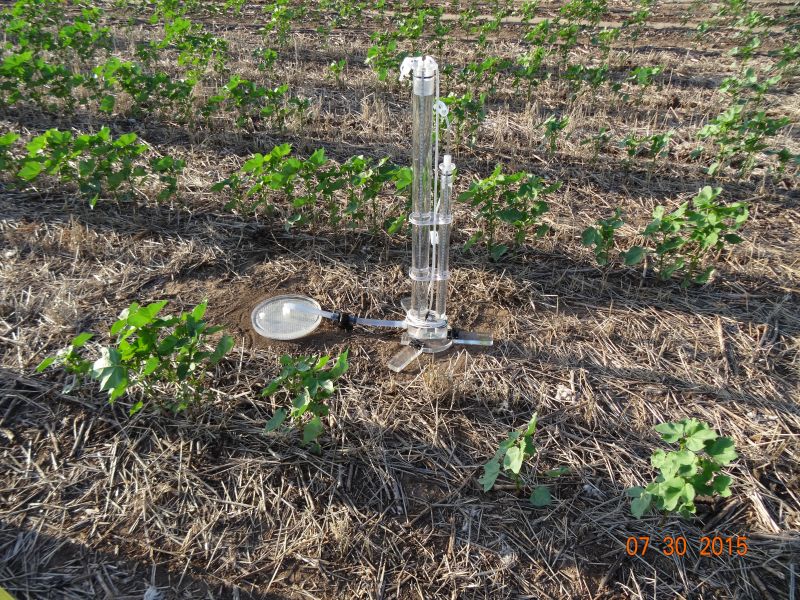
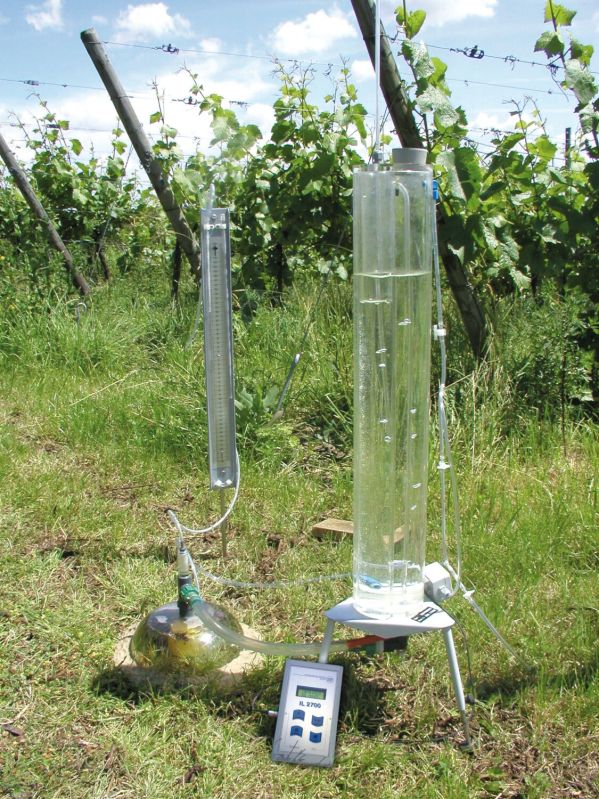
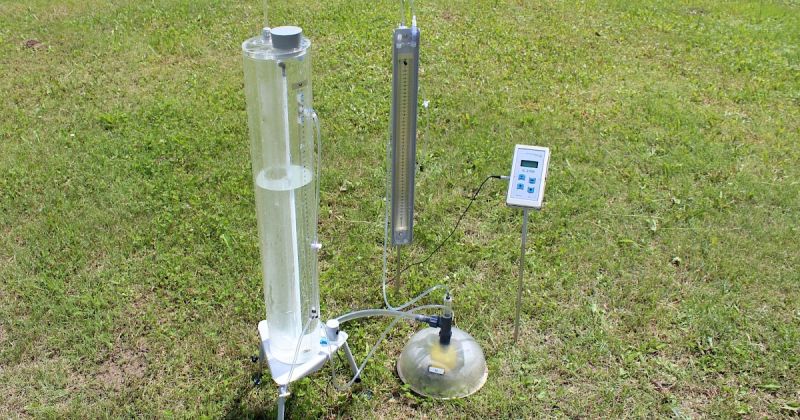
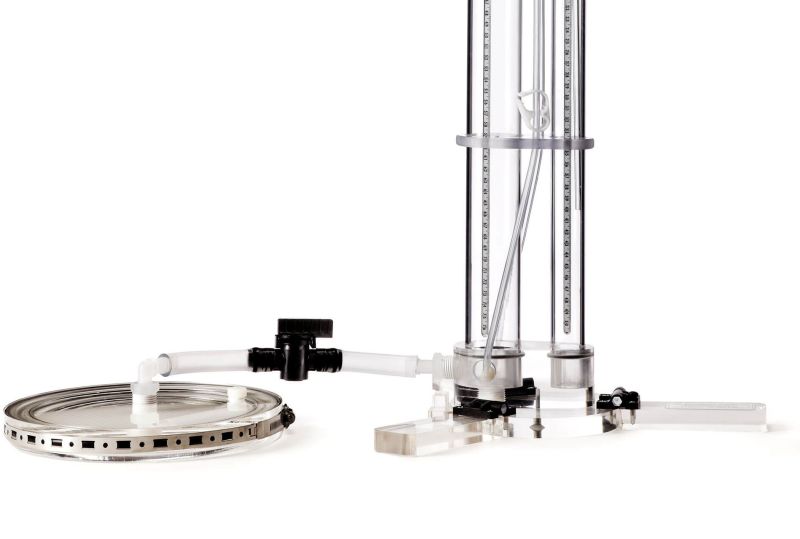
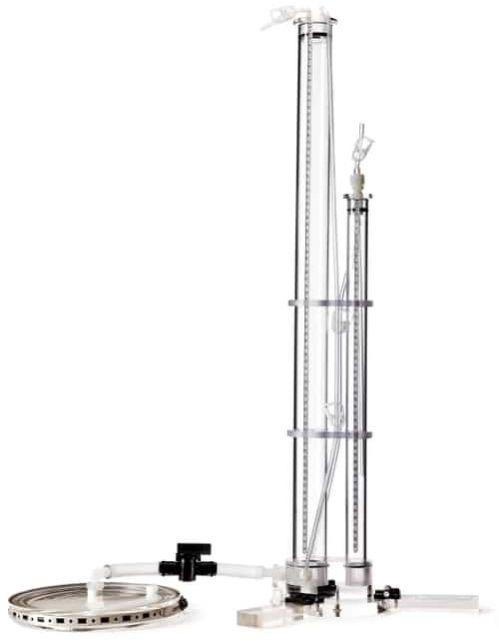
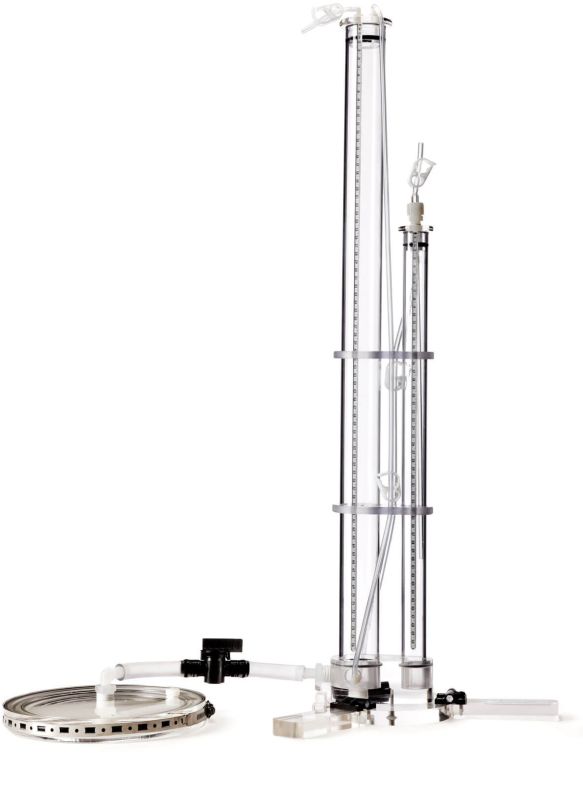
Tension infiltrometers are designed to measure the unsaturated hydraulic properties of soils. Water is allowed to infiltrate soil at a rate, which is slower than when water is ponded on the soil surface. This is accomplished by maintaining a small negative pressure on the water as it moves out of the infiltrometer disc into the soil.
In contrast, the saturated hydraulic conductivity of surface soils is often determined with single or double ring infiltrometers. With single or double ring infiltrometers, water at atmospheric pressure is allowed to infiltrate soil, initially fast, and at a slower rate once the open spaces in the soil fill up with water. When the rate of infiltration has stabilized, the infiltration rate is measured and used to compute the saturated hydraulic conductivity.
However, because with ring infiltrometers water is ponded on the soil surface, a good portion of the water might infiltrate through cracks or wormholes, and a reduced amount will infiltrate through the soil matrix. By maintaining a small negative pressure on the water as it is infiltrating into the soil, water will not enter the large cracks or wormholes as much, but will infiltrate through the soil matrix. The higher the negative pressure applied to the water, the more soil pores below the soil surface are without water, and thus the soil becomes more unsaturated. With the tension infiltrometer one can determine the unsaturated hydraulic conductivity.



Connect with us





 For Buyer
  For Seller
  Help
Help 

 Roorkee, Uttarakhand


 Send Enquiry