
 5,000 - 15 Lakh / piece
Company Information
 Member Since 11 Years
 Nature of Business Retailer
 GST No. 27**********ZC
Ask for more detail from the seller
Contact Supplier
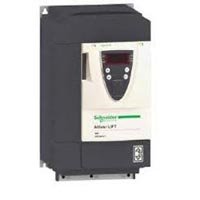
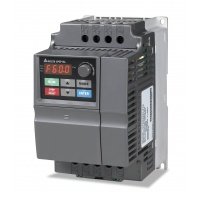
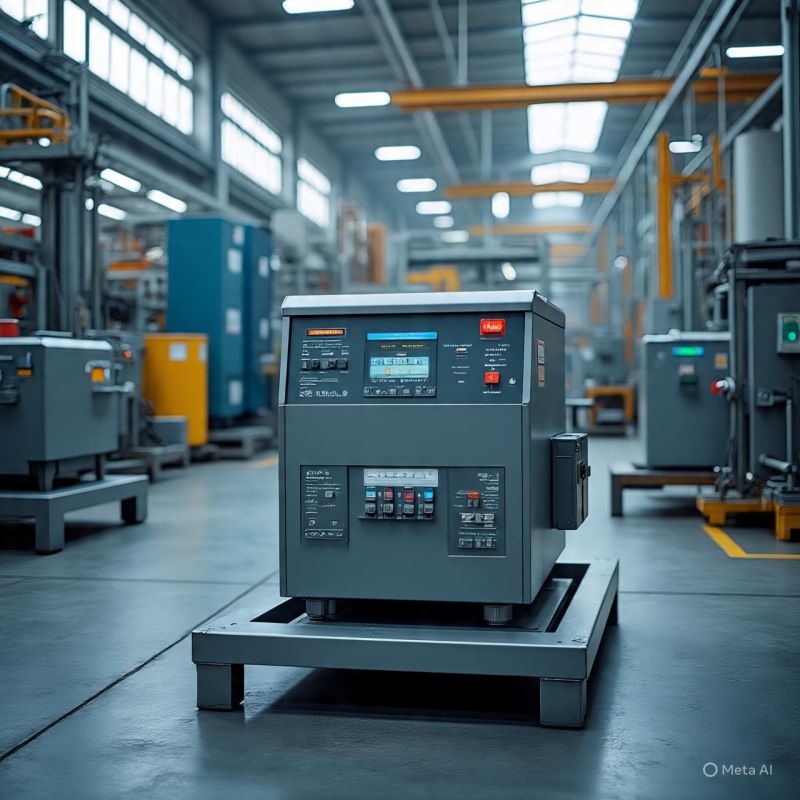
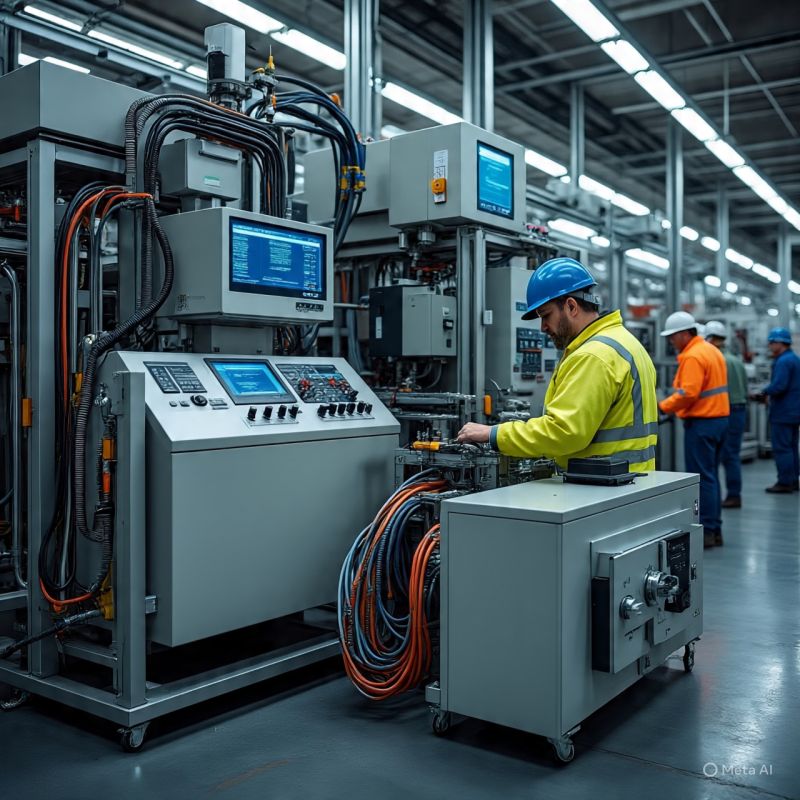
Variable Frequency Drives (VFDs) – Industrial Use Overview A Variable Frequency Drive (VFD)—also known as an AC drive, frequency converter, or inverter—is a type of motor controller that varies the frequency and voltage supplied to an electric motor. VFDs are primarily used to control motor speed and torque, resulting in energy savings, process optimization, and extended equipment life in industrial automation. They are extensively used across manufacturing plants, HVAC systems, water treatment plants, machine shops, conveyors, compressors, and more. Working Principle VFDs operate by converting the incoming AC power to DC through a rectifier and then inverting it back to variable frequency AC using an IGBT-based inverter. By adjusting the frequency (Hz), the drive regulates the speed of the AC motor. Torque and voltage are also proportionally controlled to ensure stable performance. leelavati automation Types of VFDs TypeDescription Volts per Hertz (V/f)Basic, low-cost drive for simple applications Vector Control DrivesBetter torque control, used in moderate precision applications Sensorless Vector DrivesSimulate feedback for better dynamic response Closed-Loop VFDsUse encoders for precision control in critical applications Regenerative DrivesFeed braking energy back into the grid Multi-Axis VFDsControl multiple motors from a single unit 🏭 Applications in Manufacturing IndustryApplication HVAC & Building MgmtFans, pumps, chillers, AHUs AutomotiveAssembly lines, press operations Food & BeverageConveyors, mixers, dosing systems Water & WastewaterPumps, blowers, aerators PharmaceuticalsTablet coating, clean room fans Metal & MiningCrushers, hoists, rolling mills PackagingForm-fill-seal machines, labelers, sorters TextileSpinning, weaving, dyeing machines PlasticsExtruders, injection molding machines leelavati automation Specifications & Ranges ParameterTypical Range Power Rating0.2 kW – 500 kW+ Voltage Input230V / 400V / 690V AC Frequency Range Output0 – 400 Hz (programmable) Control ModesV/f, Vector, Torque, PID, S-curve Motor Type SupportedInduction, Synchronous, PMSM, BLDC User Interface & Controls Digital Keypad / HMI: Built-in keypad with display for programming and monitoring External HMIs: Touchscreens for enhanced diagnostics and control Communication Ports: RS485, Modbus RTU, CANopen, Profibus, Ethernet/IP, Profinet Remote Control: Via SCADA/PLC integration or wireless access PC Software: For parameter upload, logging, and tuning Mobile Apps (in smart VFDs): Wireless setup, live status, alerts Benefits & Advantages Energy Savings: Adjust motor speed to match load; reduce electricity costs by 30–60% Process Optimization: Precise speed and torque control Soft Start/Stop: Reduces mechanical stress and extends equipment life Reduced Downtime: Built-in protections (overload, overvoltage, phase loss) Remote Monitoring: Supports Industry 4.0 and IIoT environments Lower Maintenance Costs: No mechanical speed control devices needed Harmonic Filtering: Built-in or optional filters reduce electrical noise Protection & Safety Features Overcurrent & short-circuit protection Overvoltage & undervoltage protection Motor stall detection Ground fault monitoring Password locking and fault history logs 0.37 kW to 2.2 kW (1–3 HP) 3.7 kW to 7.5 kW (5–10 HP) 11 kW to 22 kW (15–30 HP) 30 kW to 75 kW (40–100 HP) 100 kW leelavati automation features (like regenerative braking, IP rating, communication protocols), input voltage, and motor compatibility. Warranty & Compliance Standard Warranty: 12 to 24 months MTBF: Often >100,000 hours Certifications: CE, UL, ISO, RoHS, BIS Enclosures: IP20 (standard), IP55/IP65 for harsh environments Cooling: Air or fan-cooled; some offer heat sink or liquid cooling Smart Features & Industry 4.0 Compatibility Modern VFDs offer: Auto-tuning for motor optimization Energy monitoring and kWh calculation Modular expansion (I/O cards, fieldbus



 37,000 / Piece




Connect with us





 For Buyer
  For Seller
  Help
Help 

 Chembur, Mumbai, Maharashtra
 Send Enquiry