

Company Information
 Member Since 3 Years
 Nature of Business Exporter
 GST No. 24CJWPK9058H1ZI
Ask for more detail from the seller
Contact Supplier
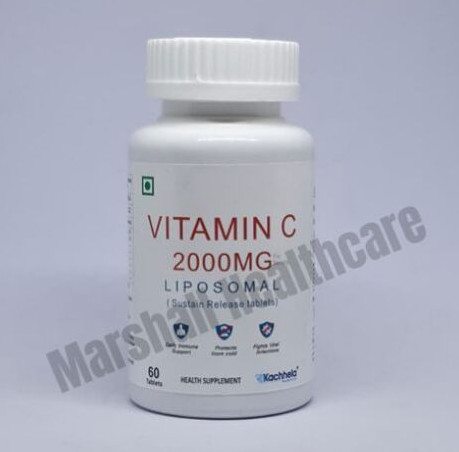
Vitamin C, also known as ascorbic acid, is an essential water-soluble vitamin that the human body cannot produce on its own. It plays a critical role in numerous bodily functions. While a balanced diet rich in fruits and vegetables can provide sufficient vitamin C for most people, some individuals may choose to take supplements.
A 2000mg dosage of vitamin C is considered a high dose, as the recommended daily allowance (RDA) for most adults is between 75-90mg. The tolerable upper intake level (UL) for vitamin C for adults is 2000mg per day.
Key Benefits and Uses
Vitamin C is a powerful antioxidant that helps protect cells from damage caused by free radicals. This can help prevent or slow the progression of certain chronic diseases. The key functions and benefits of vitamin C include:
Immune System Support: Vitamin C boosts the immune system by helping the body produce and protect white blood cells, which are crucial for fighting infections. While it may not prevent the common cold, it can potentially shorten its duration and reduce the severity of symptoms.
Collagen Formation: Vitamin C is essential for the synthesis of collagen, a protein that is a vital component of skin, tendons, ligaments, and blood vessels. This makes it crucial for wound healing and maintaining healthy skin.
Iron Absorption: It significantly enhances the body's ability to absorb non-heme iron, which is found in plant-based foods.
Antioxidant Properties: As an antioxidant, vitamin C helps protect against oxidative stress, which has been linked to various health conditions.
Other Potential Benefits: Some research suggests that vitamin C may help lower blood pressure, reduce the risk of heart disease, and slow the progression of age-related macular degeneration (AMD).
Side Effects and Safety
Because vitamin C is water-soluble, excess amounts are generally excreted in the urine. However, taking high doses, particularly at or above the 2000mg UL, can lead to side effects.
Common Side Effects: The most common side effects are digestive issues, including nausea, diarrhea, abdominal cramps, and bloating. These symptoms typically occur because the unabsorbed vitamin C irritates the gastrointestinal tract.
Kidney Stones: In some individuals, particularly those with a history of kidney stones, high doses of vitamin C can increase the risk of stone formation. This is because high intake can lead to the excretion of certain compounds in the urine that contribute to stone formation.
Drug Interactions: Vitamin C supplements can interact with certain medications, such as chemotherapy drugs and some statins used to treat high cholesterol. It is essential to consult with a healthcare professional before taking high doses of vitamin C, especially if you are on other medications.
Dosage and Recommendations
While 2000mg tablets are available, the daily recommended intake is much lower for most people. A healthy, varied diet typically provides all the vitamin C a person needs. High-dose supplements are generally considered for specific therapeutic purposes, and it is crucial to consult a healthcare provider to determine if such a dosage is appropriate for you.




Connect with us





 For Buyer
  For Seller
  Help
Help 

 Chandkheda, Ahmedabad, Gujarat

 Send Enquiry