

Company Information
 Member Since 10 Years
 Nature of Business Retailer
 GST No. 36GNLPS1299P1ZS
Ask for more detail from the seller
Contact Supplier
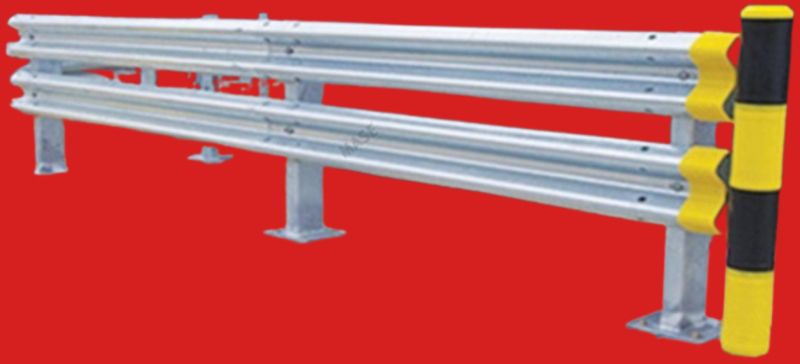
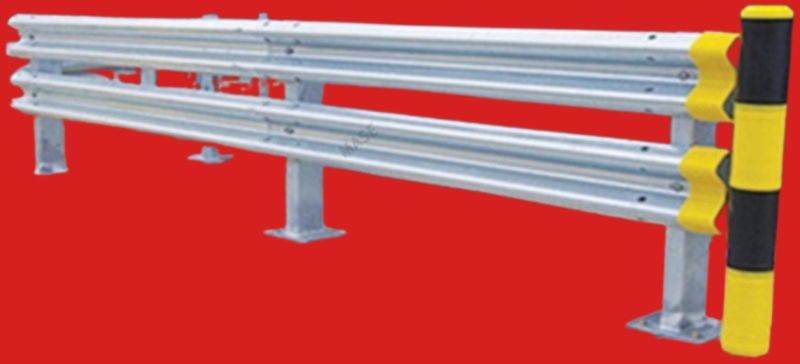
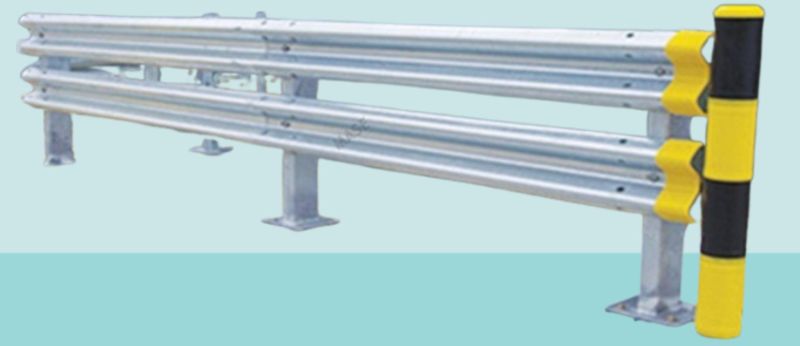
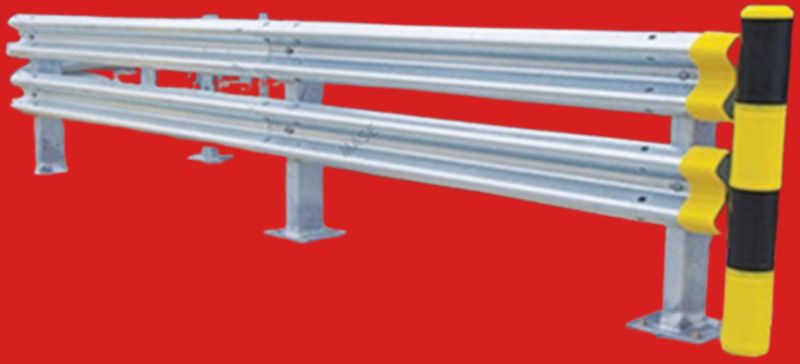
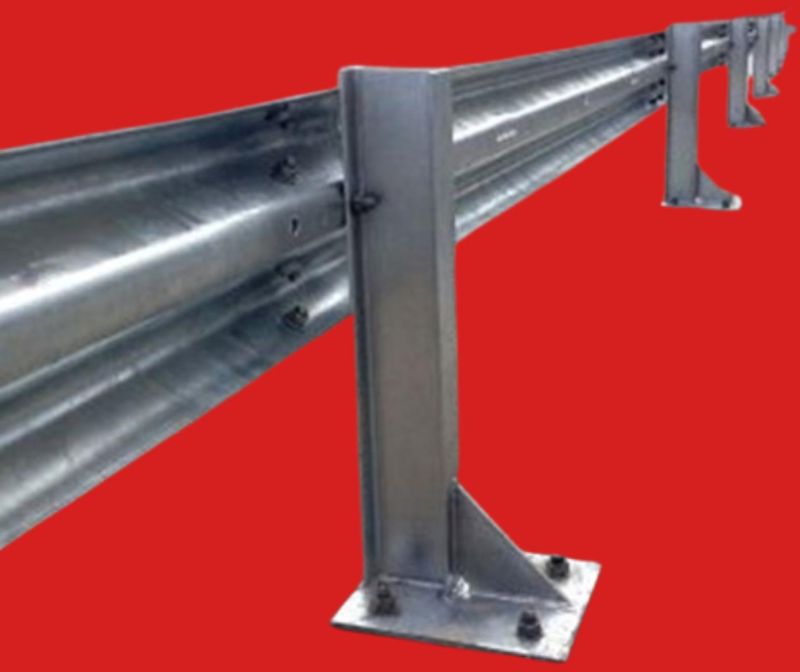
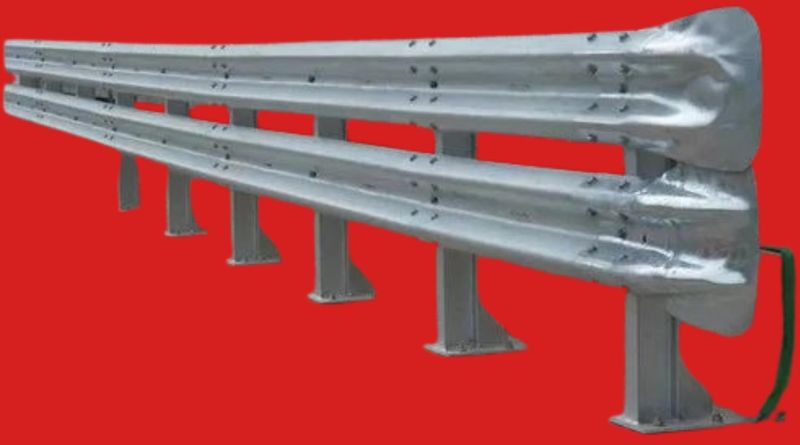
A **W-Beam Crash Barrier** (also known as W-Beam Guardrail) is a type of highway safety barrier designed to absorb the impact of vehicles that may veer off the road. It features a \\\"W\\\" shaped cross-section, which provides excellent strength and flexibility. These barriers are commonly installed along highways, roads, bridges, and other locations to enhance safety by preventing vehicles from leaving the roadway or colliding with hazardous objects.
\r\r
### Key Features:
\r1. **Design**: The W-beam shape consists of two vertical posts that hold horizontal beams shaped like a \\\"W\\\". This design allows for effective energy absorption during a collision.
\r\r
2. **Material**: Typically made from galvanized steel, the W-beam barriers are corrosion-resistant, ensuring long-lasting performance in various weather conditions.
\r\r
3. **Height and Width**: W-beam guardrails are often around 27 inches (approximately 0.68 meters) high and can vary in width depending on specific design requirements.
\r\r
4. **Modular Components**: W-beam barriers are constructed from modular sections that can be easily assembled and installed, making them adaptable to different lengths and configurations.
\r\r
5. **Reflective Elements**: Many W-beam barriers come with reflective markers or paint to improve visibility, especially at night or in low-light conditions.
\r\r
### Applications:
\r1. **Highways and Roads**: W-beam crash barriers are primarily installed on highways and busy roads to prevent vehicles from leaving the roadway and to minimize the impact of collisions.
\r\r
2. **Bridges**: Used as guardrails on bridge decks to protect vehicles from falling off the edge.
\r\r
3. **Parking Lots**: Employed to protect pedestrians and buildings from errant vehicles in parking areas.
\r\r
4. **Construction Sites**: Installed in construction zones to protect workers and delineate hazardous areas.
\r\r
5. **Railway Crossings**: Sometimes used near railway crossings to safeguard against vehicle impacts.
\r\r
### Benefits:
\r- **Impact Resistance**: Designed to absorb and redirect the energy of a collision, reducing the severity of accidents and protecting both occupants and infrastructure.
\r\r
- **Durability**: Made from weather-resistant materials, ensuring longevity with minimal maintenance.
\r\r
- **Cost-Effectiveness**: Although the initial installation cost may be significant, the long-term benefits of reduced accident severity and liability costs can make them cost-effective.
\r\r
- **Easy Installation**: Modular components facilitate straightforward installation and repairs.
\r\r
### Standards and Regulations:
\rW-beam crash barriers must meet various safety standards and guidelines established by organizations such as the American Association of State Highway and Transportation Officials (AASHTO) and the Federal Highway Administration (FHWA) in the U.S. These standards dictate performance criteria, including impact tests and structural integrity assessments.
\r\r
### Summary:
\r**W-Beam Crash Barriers** are essential safety features on roads and highways, designed to protect both vehicles and pedestrians from the risks associated with collisions and errant vehicles. Their robust design and modular construction enable effective energy absorption during impacts, making them a critical component of roadway safety infrastructure.



Connect with us





 For Buyer
  For Seller
  Help
Help 

 Gajularamaram, Hyderabad, Telangana


 Send Enquiry