

Company Information
 Member Since 5 Years
 Nature of Business Manufacturer Year of Establishment 2015
Ask for more detail from the seller
Contact Supplier
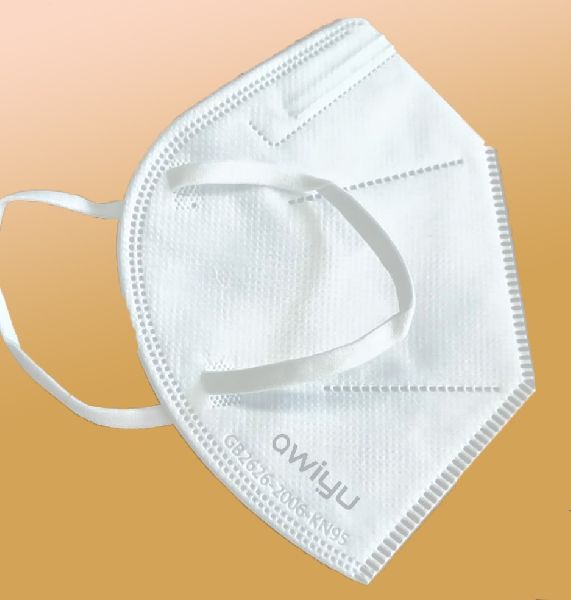
N95 respirators and surgical masks (face masks) are examples of personal protective equipment that are used to protect the wearer from airborne particles and from liquid contaminating the face. Centers for Disease Control and Prevention (CDC) National Institute for Occupational Safety and Health (NIOSH) and Occupational Safety and Health Administration (OSHA) also regulate N95 respirators.
It is important to recognize that the optimal way to prevent airborne transmission is to use a combination of interventions from across the hierarchy of controls, not just PPE alone.
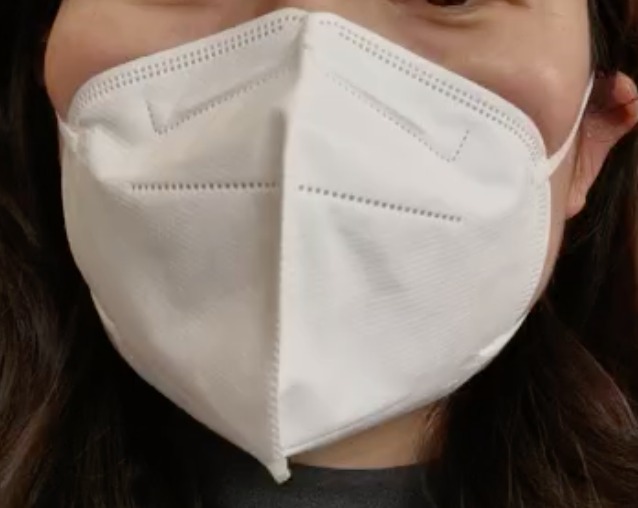
An N95 respirator is a respiratory protective device designed to achieve a very close facial fit and very efficient filtration of airborne particles.
The 'N95' designation means that when subjected to careful testing, the respirator blocks at least 95 percent of very small (0.3 micron) test particles. If properly fitted, the filtration capabilities of N95 respirators exceed those of face masks. Note that the edges of the respirator are designed to form a seal around the nose and mouth. Surgical N95 Respirators are commonly used in healthcare settings and are a subset of N95 Filtering Facepiece Respirators (FFRs), often referred to as N95s.



Connect with us





 For Buyer
  For Seller
  Help
Help 

 Satpur, Nashik, Maharashtra
 Send Enquiry