

Company Information
 Member Since 5 Years
 Nature of Business Exporter
 GST No. 27AVFPC8008E1ZX
Ask for more detail from the seller
Contact Supplier
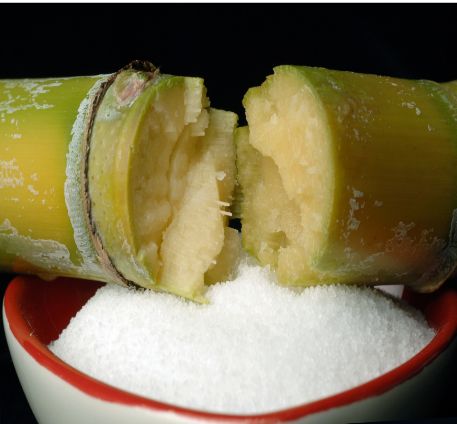
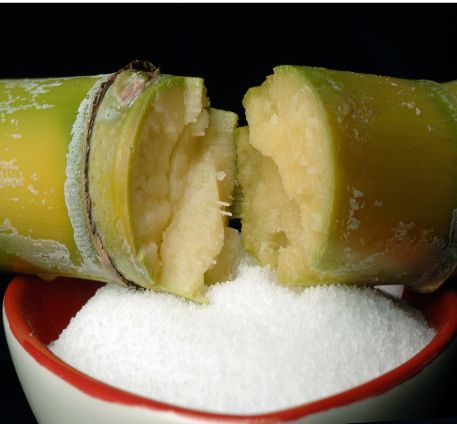
Sugar has been produced in the Indian subcontinent. Sugarcane was a native of tropical areas such as the Indian subcontinent (South Asia) and Southeast Asia.
Scientifically, sugar loosely refers to a number of carbohydrates, such as monosaccharide, disaccharides, or oligosaccharides. Monosaccharide are also called "simple sugars", the most important being glucose.
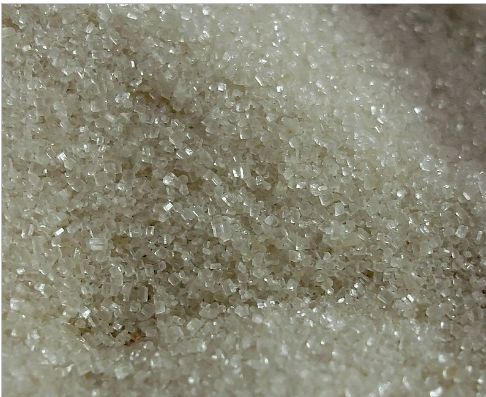
This is a list of sugars and sugar products. Sugar is the generalized name for sweet, short-chain, soluble carbohydrates, many of which are used in food. They are composed of carbon, hydrogen, and oxygen. There are various types of sugar derived from different sources.
Generally speaking, chemical names ending in -ose indicate sugars. "Syrup" indicates a sugary solution.
Malting is a way of processing starchy grains like wheat and barley into sugar, so "malt extract" will be mostly sugar. Sugar is mostly extracted from plants by juicing them, then drying the purified juice, so "evaporated cane juice crystals" or "concentrated grape juice" are also very similar to pure sugars.
Process of Sugar production
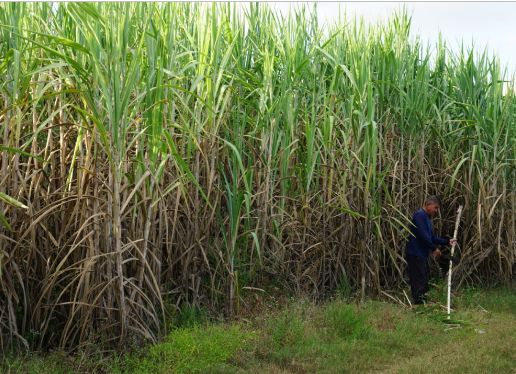
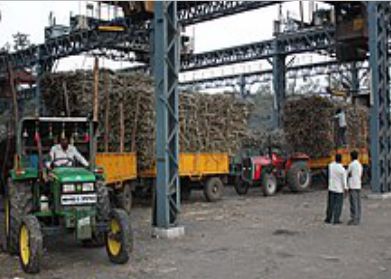
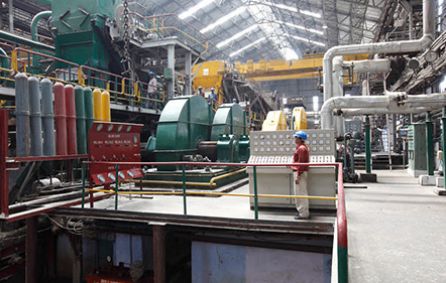
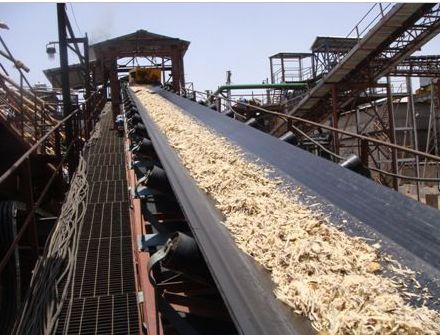
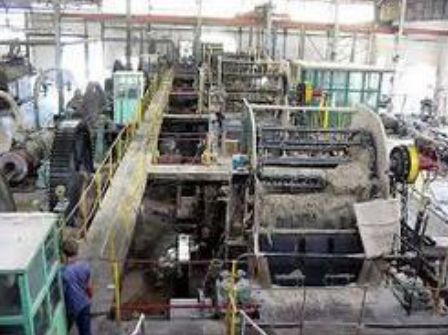
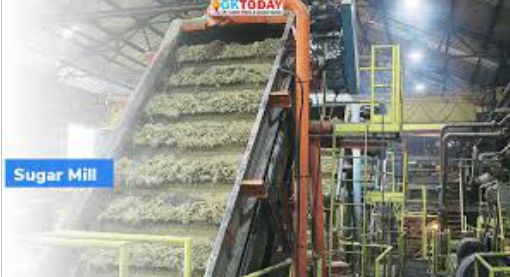
Sugar cane requires a frost-free climate with sufficient rainfall during the growing season to make full use of the plant's substantial growth potential. The crop is harvested mechanically or by hand, chopped into lengths and conveyed rapidly to the processing plant (commonly known as a sugar mill) where it is either milled and the juice extracted with water or extracted by diffusion. The juice is clarified with lime and heated to destroy enzymes. The resulting thin syrup is concentrated in a series of evaporators, after which further water is removed. The resulting supersaturated solution is seeded with sugar crystals, facilitating crystal formation and drying. Molasses is a by-product of the process and the fiber from the stems, known as bagasse, is burned to provide energy for the sugar extraction process. The crystals of raw sugar have a sticky brown coating and either can be used as they are, can be bleached by sulfur dioxide, or can be treated in a carbonatation process to produce a whiter product. About 2,500 litres (660 US gal) of irrigation water is needed for every one kilogram (2.2 pounds) of sugar produced.
Refining
Nutrition & Flavour
Brown and white granulated sugar are 97% to nearly 100% carbohydrates, respectively, with less than 2% water, and no dietary fiber, protein or fat (table).
| Nutritional value per 100 g (3.5 oz) | |
|---|---|
| Energy | 1,576 kJ (377 kcal) |
| Carbohydrates | 97.33 g |
| Sugars | 96.21 g |
| Dietary fiber | 0 g |
| Fat | 0 g |
| Protein | 0 g |
| Vitamins | Quantity %DV† |
| Thiamine (B1) | 1% 0.008 mg |
| Riboflavin (B2) | 1% 0.007 mg |
| Niacin (B3) | 1% 0.082 mg |
| Vitamin B6 | 2% 0.026 mg |
| Folate (B9) | 0% 1 μg |
| Minerals | Quantity %DV† |
| Calcium | 9% 85 mg |
| Iron | 15% 1.91 mg |
| Magnesium | 8% 29 mg |
| Phosphorus | 3% 22 mg |
| Potassium | 3% 133 mg |
| Sodium | 3% 39 mg |
| Zinc | 2% 0.18 mg |
| Other constituents | Quantity |
| Water | 1.77 g |



Connect with us





 For Buyer
  For Seller
  Help
Help 

 Hatkanangale, Kolhapur, Maharashtra
 Send Enquiry