Write a Review
Our Products
Leading Manufacturer, Supplier & Retailer of CASTOR DE-OILED.
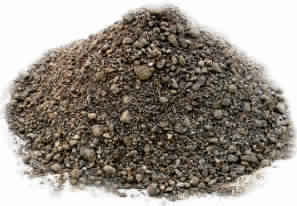
Castor is an important industrial oilseed crop. Castor finds a place of prestige in the cropping systems of dry-land agriculture in semi-arid zones of India, because of its deep root system, drought hardiness, and quick growth. India occupies the second prestigious position in worlds castor market after Brazil. India also exports substantial part of its total castor produce to earn foreign exchange.Castor oil finds a number of uses for domestic, medicinal and industrial purposes. Castor oil contains a very high percentage (approximately 85 per cent) of hydroxy fatty acid known as recinoleic acid. Recinoleic acid can be treated by dehydration. This dehydrated castor oil is in demand for paints and varnishes because of its non-yellowing quality.Castor oil is used as a lubricant in all moving parts of machinery, and for internal combustion engines especially those used in airplanes.
It is also used as an illuminant, giving a bright and steady flame and burning much longer than any other vegetable oil. Hydrogenated castor oil is used in polishes, ointments, waxes, printing inks, cosmetic, hair dressings, soaps and disinfectants. Castor oil is also used as a purgative. In dyeing industries, it is used for the preparation of `Turkey red.
Castor oil is used in many veterinary uses. It is used externally as an emollient. It is also used as a soothing medium when dropped into the eyes of animals after removal of foreign bodies. The castor oil cake is a valuable manure, but owing to the presence of the poison `ricin it is unfit for cattle feed. It contains about 5.5 per cent nitrogen, 1.8-1.9 per cent phosphorus and 1.1 per cent potash.
Area of CultivationThe castor plant grows throughout India up to an elevation of 2500 metres. Andhra Pradesh, Gujarat, Orissa and Karnataka are the important castor growing states.
SeasonCastor requires a moderately high temperature 20-27C with low humidity throughout the growing season. It grows best in areas where there are clear warm sunny days. Prolonged cloudy weather with high temperature at the time of flowering results in poor seed set. High temperature above 41C at flowering time even for a short period results in blasting of flowers and poor seed set. The plant is considered to be very resistant to drought but even then about 80-1000 mm evenly distributed rainfall in required for optimum growth. Heavy rainfall at flowering reduces the yield. Castor plant is very susceptible to frost.
SoilCastor can be raised practically on any type of soil, but as with a number of other plants, a well drained loam will produce the optimum yield. Very heavy clays and marshy conditions are unfavourable for proper growth. The cultivation of castor should, however, be confined to the upland areas as this crop is highly susceptible to water logged conditions. The crop can also not tolerate alkalinity of soil but can withstand slight to moderate acidity of soil.
RotationsCastor is grown either as a pure crop in rotation with wheat, linseed etc., or is grown mixed with cotton, groundnut, arhar, green gram, jowar, bajra and cowpea.
CultivationThe castor plant demands a deep rooting medium because of its well-developed root system. Deep ploughing is necessary to break up any compact layers in the soil so that the roots can penetrate deep in the soil to obtain moisture from depth during dry periods. Disk harrowing should follow ploughing, to break up clods, level the seedbed, and destroy weeds. The type of seedbed required for castor is generally similar to that prepared for cotton or maize. The seedbed should be moist to a depth of 15-20 cm.
SowingThe right time of planting castor varies between 20th June to 5th July. It is advisable to sow the seed as soon as the monsoon breaks in second fortnight of June. Sowing after 20th July gives poor yields in Kharif season. Sowing time varies slightly in different states as given below:
 Rama Gum Industries (india) Ltd (Rama Gum Industries (india) Ltd)
 R.S. NO.125 PLOT NO-10 TO 15 AND 31 TO 36 NEAR GrDC PATAN ROAD, DEESA (BANASKANTHA), Gujarat - 385535, India
 Share us via