Our Products
Our offered Product range includes Fenugreek Seeds and Cumin Seeds.
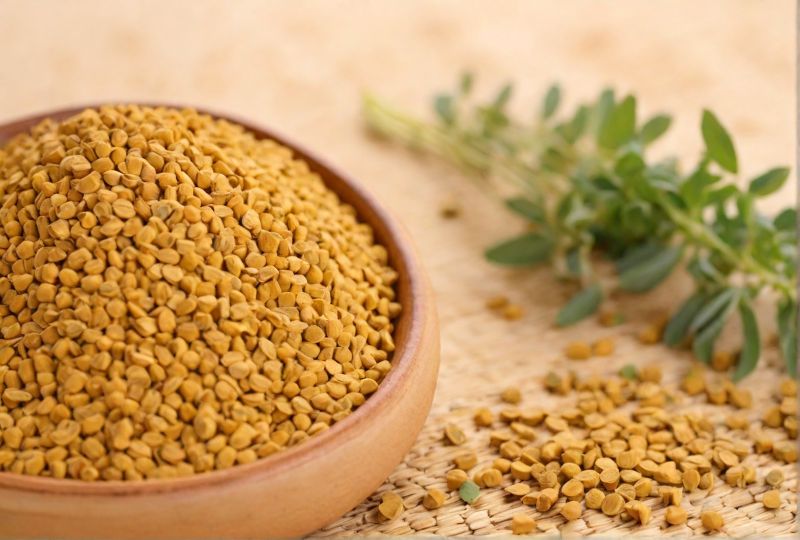
Fenugreek, scientifically known as Trigonella foenum-graecum, is an aromatic herb widely used in culinary and medicinal practices across various cultures. Its distinct flavor, characterized by a slightly bitter and nutty taste, makes it a popular ingredient in Indian, Middle Eastern, and Mediterranean cuisines. Both the leaves and seeds of fenugreek are utilized, contributing to a variety of dishes, including curries, lentil soups, and spice blends. **Fenugreek** (*Trigonella foenum-graecum*) is an herb widely used in culinary and medicinal applications. Its seeds and leaves are particularly valued for their flavor, aroma, and health benefits. Here’s an overview of the various uses of fenugreek: ### 1. **Culinary Uses** - **Spice**: Fenugreek seeds are commonly ground into a spice and used in curries, spice blends (like garam masala), and pickles for their slightly bitter, nutty flavor. - **Greens**: The fresh leaves, known as **methi**, are used in various dishes, including vegetable preparations, parathas (flatbreads), and salads. - **Beverages**: Fenugreek can be infused in teas or added to health drinks for its flavor and benefits
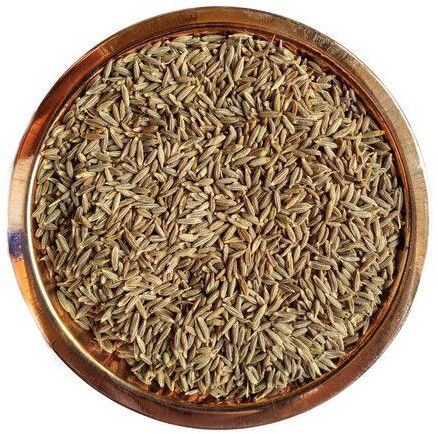
Cumin, known as jeera in Hindi, is a spice that has been cherished for its distinctive flavor and numerous health benefits for thousands of years. Originating from the eastern Mediterranean and South Asia, cumin seeds are widely used in cuisines around the world, especially in Indian, Middle Eastern, and Mexican cooking. **Cumin** (*Cuminum cyminum*), also known as **jeera**, is a spice widely used in cooking for its distinctive flavor and aroma. It has a variety of culinary and medicinal applications. Here’s an overview of the uses of cumin: ### 1. **Culinary Uses** - **Flavoring Agent**: Cumin seeds are used to add a warm, earthy flavor to a wide range of dishes, including curries, stews, and soups. - **Spice Blends**: It is a key ingredient in many spice blends, such as garam masala, curry powder, and chili powder. - **Baking**: Ground cumin can be used in baked goods, particularly in bread and flatbreads, to enhance flavor. - **Rice Dishes**: Cumin is often used in rice dishes, such as biryani and pilaf, to impart its unique taste. - **Marinades**: It is commonly included in marinades for meats, legumes, and vegetables. ### 2. **Nutritional Benefits** - **Vitamins and Minerals**: Cumin is a good source of vitamins (such as vitamin C and B vitamins) and minerals (including iron, magnesium, and calcium). - **Antioxidants**: It contains antioxidants that help combat oxidative stress in the body. ### 3. **Health Benefits** - **Digestive Health**: Cumin is known to aid digestion and may help alleviate issues like bloating, gas, and indigestion. - **Anti-inflammatory Properties**: It has anti-inflammatory effects that may help reduce inflammation in the body.
 Mr. Mahendra Pratap Singh Thakur (Shree Radhe Import Export)
 Main Road, Bus Stand, Touri, Damoh, Madhya Pradesh - 470661
 Share us via