 Write a Review
Our Products
We are leaders in the market for providing best range of Kalonji Oil Essential, Black Seed Kalonji Oil, Palash Oil, Tea Tree Oil Benefits and Cajiput Oil
Additional Information:
Payment Terms : L/C, T/T,
Packaging Details : 10ml , 20ml, 30ml, 50ml, 100ml, 250ml, 500ml, 1L, Aluminum Bottles 5 kg, 10kg, 25kg, 50kg HDPE DRUMS , 180 Kg Barrels
Delivery Time : 5 to 7 Days
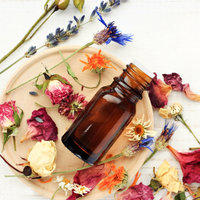
Borage is an annual that is a native of Europe but has been widely naturalized in other areas. The stem and leaves are covered with coarse, prickly hairs. The bright blue flowers are star-shaped. The fresh plant has a salty flavor and a cucumber-like odor. Borage seed oil contains a fatty acid called gamma-linolenic acid (GLA). GLA seems to have anti-inflammatory effects. Borage flower might have an antioxidant effect.
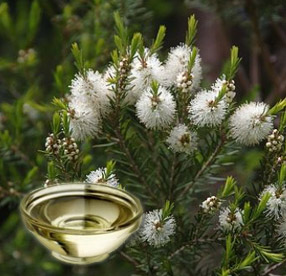
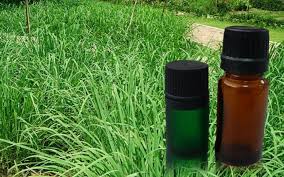
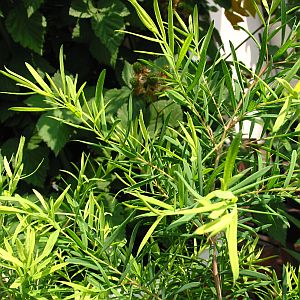
Cajeput oil is produced by steam distillation of fresh leaves and twigs of the Cajeput tree.
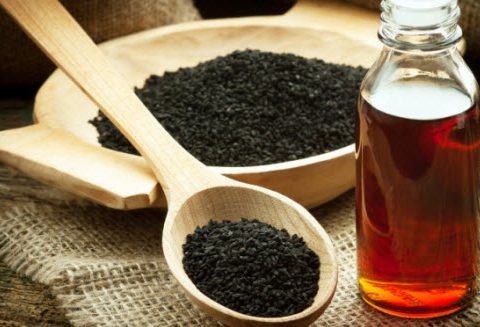
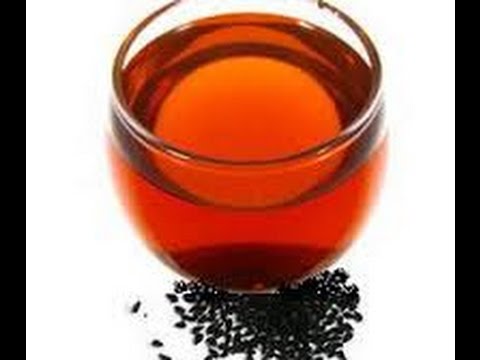
Kalonji oil is a very good Ayurvedic medicine and Ayurved appreciates its many qualities and bitter, warming, stimulant nature. It is used in wide variety of diseases like hemorrhoids, hepatitis, fever, diarrhea, cough, and tapeworm, to mention only a few of them. Nigella Sativa works in a different way, which makes it suitable for diseases of the immune system itself, eg. allergies; TB; cancer; aids etc. Kalonji is a herbal/bush which grows to about 500mm high producing blue flowers and black seeds from which the oil is extracted. The seeds are triangular in shape and have a b pungent smell. KalonjiNigella sativaL., also widely known as kalonji or nigella, but also, less commonly forBunium persicum(Boiss.) B. Fedtsch of the family Apiaceae. Kalonji is cultivated across Asia from Italy to Indonesia and is a popular remedy for many common symptoms.
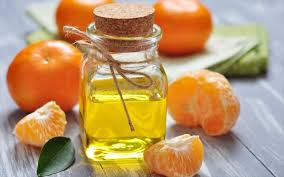
Mandarin oil is extracted from the Mandarin tree, or Citrus Reticulata.The tree is part of the Rutaceae family (or orange family). Pure essential Mandarin oil is extracted from the outer peel of the fruit by means of a method known as cold compression. Steam distillation of the leaves and twigs of the tree is used to make Mandarin Petitgrain oil. Mandarin essential oil is golden yellow in color and has a fresh citrus aroma.
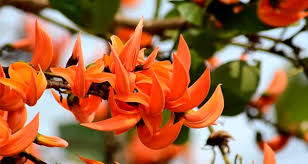
Palasa is one of the sacred trees worshipped in India. In Sanskrit, Palasa is known as Kimshuka, Brahmavriksha. Kimshuka in Sanskrit means like a parrot or what brightness! The vernacular names of Palasa are: In Kannada (Muthuga), Telegu (Modagachettu), Hindi (Palasa, KankreiChichratesu, desukajhad, dhaak, palaash, chalcha), Gujarati (Kesudo), Punjabi (Keshu, Chachra, Sanura), Malayalam (PlasuShamata, Muriku), Marathi (PaLaash), Urdu (Palashpapra), Bengali (Kinshuk, Polash, Polashi), Assamese(Porasum), Tamil (Parasu, Mullumurugai, Kaliyanamurukkan). The Botanical name is ButeaMonosperma and it belongs to the family of Fabaceae. Some of the English names of Palasa are: Flame of the forest, Teak and Parrot tree.
Palasa is native to tropical and sub tropical parts of the Indian Subcontinent and South East Asia. It is found mostly in India, Nepal, Burma, Sri Lanka, Cambodia, Bangladesh, Thailand, Vietnam, Malaysia and Western Indonesia. The tree is found in the plains and slopes of the hills in India. Palasa trees are found in some of the temple premises in Tamil Nadu.
he leaves are pinnate with 8-16 cm petiole (the stalk attaching the leaf blade to the stem) having three leaflets. Each leaf is about 10-20 cms long. The leaves when tender are soft, thick, and velvety. They appear in pale bronze green colour. Old leaves are firm and tough as leather, smooth above and hairy below. The leaves have a leathery texture. The leaves which wither during autumn are filled with bright orange coloured flowers that appear like a flame covering the entire tree. Thus the tree gets the name Flame of the forest. The flowers also resemble an orange colour net spread over the entire tree, which is referred to as Kimsuka net.
Each flower consists of five petals comprising one standard, two small wings and a curved beak shaped keel. The curved beak shaped keel gives its name as Parrot Tree. The flowers are indicative of the onset of spring season and the colour of love. Jayadeva in Gita Govindam has compared the flowers to the red nails of the Lord of Cupid, Kamadeva which tear at the hearts of the lovers.
 Saudamini Shah (Suyash Herbs Export Pvt. Ltd.)
 4311/3, Gidc Sachin, Near Priya Gold Biscut Factory, behind Laxmi Atta, Road No. 4, Near Sagar Hotel,sachin, Surat, Gujarat - 394230rnindia
 Share us via