 CHONBURI, Thailand
 Write a Review
Our Products
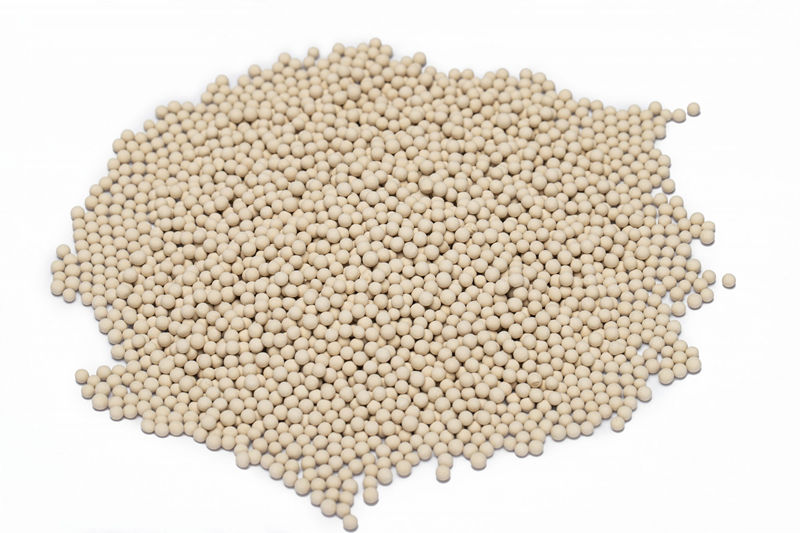
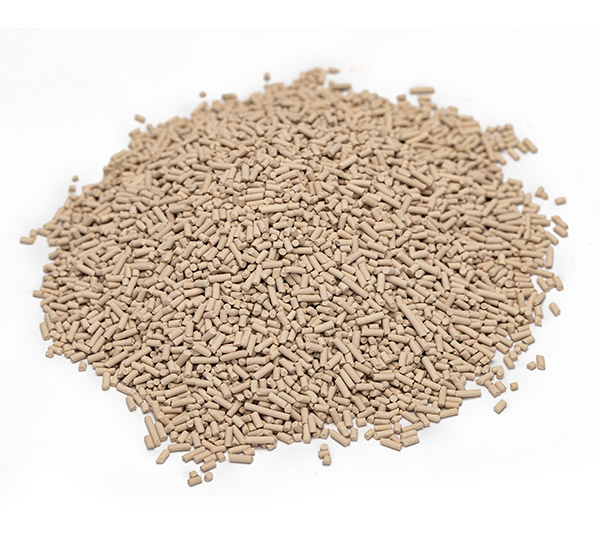
Our product range contains a wide range of Cax Molecular Sieve, 3A Molecular Sieve, 4A Molecular Sieve, 5A Molecular Sieve and 13X Molecular Sieve
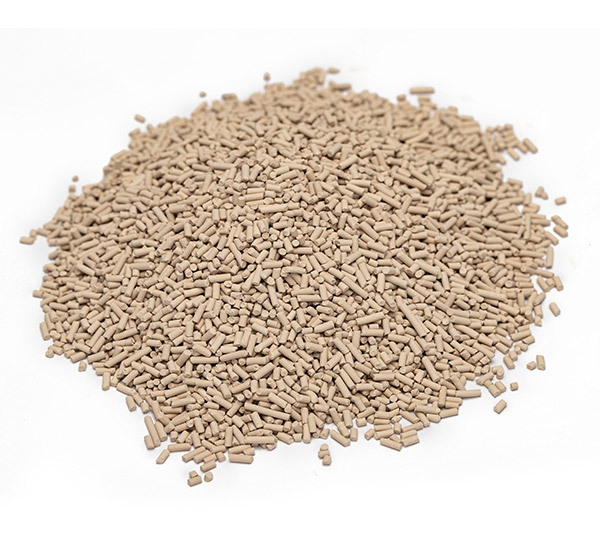
Molecular Sieve CaX is the calcium form of the type X crystal and has a much larger pore opening than the type A crystals. It will adsorb molecules with a kinetic diameter of less than9 Angstrom (0.9nm) and exclude molecules of larger than 0.9nm. It is commonly used to remove N2O in cryogenic air separation PPU.
Higher adsorption capacity, developed internally connected pore structure andsmaller crystal size make it have better dynamic and static adsorption performance;Relatively higher mechanical strength, to ensure a long service life;Lower package moisture content is beneficial to ensure higher adsorption activity;The product is general solid waste, safe and reliable.
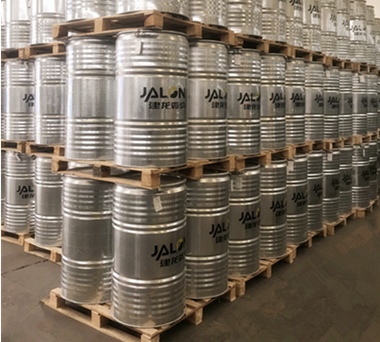
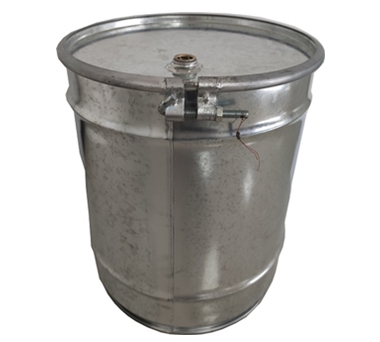
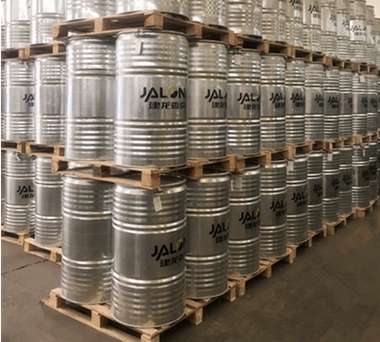
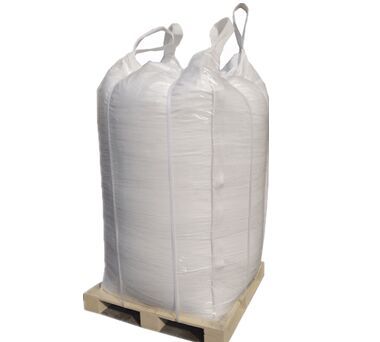
The product should be stored in original pack or air-proof package in cool and dry conditions should not be left exposed to open air.
CaX molecular sieve series can be regenerated by increasing temperature or reducing the pressure.
TDS
MSDS
Technical Specification
| Item Type | Diameter | Static H₂O Adsorption | Static N₂ Adsorption | N2/O2 Selectivity | Bulk Density | Crush Strength | Package Moisture |
|---|---|---|---|---|---|---|---|
| JLOX-101 Bead | 0.4-0.8 | ≥30 | ≥22 | ≥6.20 | 0.63±0.03 | ﹣ | ≤0.5 |
| JLOX-103 Bead | 1.3-1.7 | ≥30 | ≥22 | ≥6.20 | 0.63±0.03 | ≥15 | ≤0.5 |
| Unit | mm | %wt | ﹣ | ﹣ | g/ml | N | %wt |
| Note | RH75%,25℃ | 25℃,760mmHg | 25℃,760mmHg | Settled | Average | 550℃,KF | |
Molecular sieve 3A, also called zeolite 3A or zeolith 3A, is one type of aluminosilicate crystal with average pores measuring of 3 angstrom (0.3 nm). Molecular with kinetic diameter larger than 3 angstrom will be adsorbed by zeolite 3A, otherwise be excluded.
Zeolite 3A molecular sieves are typically used for agents drying or pull out moisture from products. Our 3A molecular sieves are usually used for ethanol dehydration, natual gas dehydration, cracked gas dehydration and refrigerant dehydration.
StorageAs an adsorbent, molecular sieve should not be left exposed to open air and should be stored in dry conditions with air-proof packaging. This product should not be exposed to temperatures exceeding 230C (450F).
RegenerationMolecular sieve 3A can be regenerated or activated either thermal regeneration method(Thermal Swing Adsorption, TSA); To remove moisture from a 3A molecular sieve, a temperature of 200-230°C (390-570°F)is required. Molecular sieve 3A can also be regnerated or activated by lowering the pressure in the case of pressure swing processes (PSA). A properly regenerated or activated molecular sieve can give moisture dew points below -100°C. The outlet concentrations on a pressure swing process will depend on the gas present, and on the conditions of the process.
TDS
MSDS
Technical Specification
| Item Type | Diameter | Static H₂O Adsorption | Bulk Density | Crush Strength | Loss on Attrition | Package Moisture |
|---|---|---|---|---|---|---|
| 3A Bead | 1.6—2.5 | ≥21.5 | ≥0.75 | ≥30 | ≤0.1%wt | ≤1.5%wt |
| 3—5 | ≥21.5 | ≥0.75 | ≥100 | ≤0.1%wt | ≤1.5%wt | |
| 3A Pellet | 1/16″ | ≥21.5 | ≥0.70 | ≥40 | ≤0.25%wt | ≤1.5%wt |
| 1/8″ | ≥21.5 | ≥0.70 | ≥80 | ≤0.25 | ≤1.5%wt | |
| Unit | mm | %wt | g/ml | N | %wt | %wt |
| Note | RH75%,25℃ | Settled | Average | ﹣ | 575℃,1hr | |
Molecular sieve 4A, also called zeolite 4A or zeolith 4A, is one type of aluminosilicate crystal with average pores measuring of 4 angstrom (0.4 nm). Molecular with kinetic diameter larger than 4 angstrom will be adsorbed by zeolite 4A, otherwise be excluded.
Zeolite 4A molecular sieves are typically used for dehydration in air break system, natural gas drying.
StorageThe product should be stored in original pack or air-proof package in cool and dry conditions should not be left exposed to open air.
RegenerationMolecular sieve 4A can be regenerated by increasing temperature or reducing the pressure.
TDS
MSDS
Technical Specification
| Item Type | Diameter | Static H₂O Adsorption | Bulk Density | Crush Strength | Loss on Attrition | Package Moisture |
|---|---|---|---|---|---|---|
| 4A Bead | 1.6—2.5 | ≥22.5 | ≥0.74 | ≥40 | ≤0.1 | ≤1.5%wt |
| 3—5 | ≥22.5 | ≥0.72 | ≥80 | ≤0.1 | ≤1.5%wt | |
| 4A Pellet | 1/16″ | ≥22.5 | ≥0.66 | ≥40 | ≤0.2 | ≤1.5%wt |
| 1/8″ | ≥22.5 | ≥0.66 | ≥80 | ≤0.3 | ≤1.5%wt | |
| Unit | mm | %wt | g/ml | N | %wt | %wt |
| Note | RH75%,25℃ | Settled | Average | ﹣ | 575℃,1hr | |
Molecular sieve 5A, also called zeolite 5A or zeolith 5A, is one type of aluminosilicate crystal with average pores measuring of 5 angstrom (0.5 nm). Molecular with kinetic diameter larger than 5 angstrom will be adsorbed by zeolite 5A, otherwise be excluded.
Zeolite 5A molecular sieves are typically used for normal- and iso-paraffins separation, removing water, carbon dioxide, hydrogen sulfide from sour natural gas, while decreasing COS formation.
StorageThe product should be stored in original pack or air-proof package in cool and dry conditions should not be left exposed to open air.
RegenerationMolecular sieve 5A can be regenerated by increasing temperature or reducing the pressure.
Technical Specification
| Item Type | Diameter | Static H₂O Adsorption | Bulk Density | Crush Strength | Loss on Attrition | Package Moisture |
|---|---|---|---|---|---|---|
| 5A Bead | 1.6—2.5 | ≥22 | ≥0.70 | ≥30 | ≤0.1 | ≤1.5%wt |
| 3—5 | ≥22 | ≥0.68 | ≥80 | ≤0.1 | ≤1.5%wt | |
| 5A Pellet | 1/16″ | ≥22 | ≥0.64 | ≥30 | ≤0.2 | ≤1.5%wt |
| 1/8″ | ≥22 | ≥0.64 | ≥80 | ≤0.3 | ≤1.5%wt | |
| Unit | mm | %wt | g/ml | N | %wt | %wt |
| Note | RH75%,25℃ | Settled | Average | ﹣ | 575℃,1hr | |
TDS
MSDS
Molecular sieve 13X, also called zeolite 13X or zeolith 13X, is one type of aluminosilicate crystal with average pores measuring of 9 angstrom (0.9 nm). Molecular with kinetic diameter larger than 9 angstrom will be adsorbed by zeolite 13X, otherwise be excluded.
Zeolite 13X molecular sieves are typically used for removal of carbon dioxide and moisture from air, mercaptan and hydrogen sulphide from hydrocarbons such as LPG, butane, propane, etc.
StorageThe product should be stored in original pack or air-proof package in cool and dry conditions should not be left exposed to open air.
RegenerationMolecular sieve 13X can be regenerated by increasing temperature or reducing the pressure.
Technical Specification
| Item Type | Diameter | Static H₂O Adsorption | Bulk Density | Crush Strength | Loss on Attrition | Package Moisture |
|---|---|---|---|---|---|---|
| 13X Bead | 1.6—2.5 | ≥26.5 | ≥0.64 | ≥30 | ≤0.1 | ≤1.5%wt |
| 3—5 | ≥26.5 | ≥0.64 | ≥85 | ≤0.1 | ≤1.5%wt | |
| 13X Pellet | 1/16″ | ≥26.5 | ≥0.61 | ≥30 | ≤0.1 | ≤1.5%wt |
| 1/8″ | ≥26.5 | ≥0.61 | ≥50 | ≤0.2 | ≤1.5%wt | |
| Unit | mm | %wt | g/ml | N | %wt | %wt |
| Note | RH75%,25℃ | Settled | Average | ﹣ | 575℃,1hr | |
TDS
MSDS
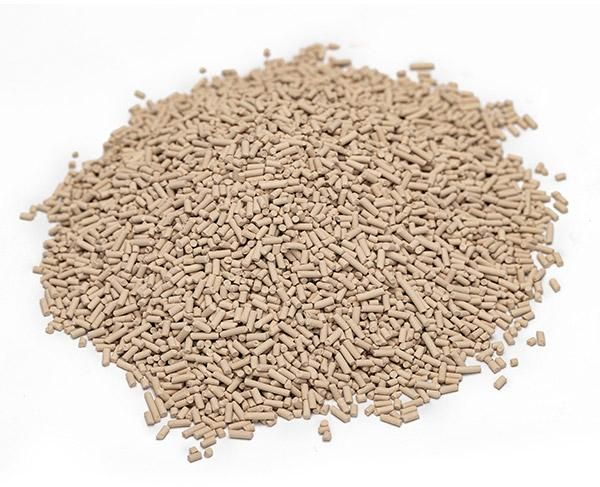
Zeolite JLVC-1 is our newest special molecular sieve that adsorbs volatile organic compounds (VOCs). JLVC-1 has excellent characteristics of hydrophobic and organic substances, and is suitable for the adsorption and separation of VOCs from industrial exhaust gas. Molecular sieve JLVC-1 has a developed three-dimensional medium microporous channel, which is suitable for adsorbing small and medium molecular VOCs with a molecular size less than 0.55nm, and is not suitable for adsorbing larger molecular VOCs. Typical VOCs suitable for JLVC-1 adsorption include: benzene, toluene, para-xylene, styrene, hexane, cyclohexane, acetone, ethyl acetate, methanol, ethanol, propanol, butanol, phenol, formaldehyde, and acetaldehyde, etc.
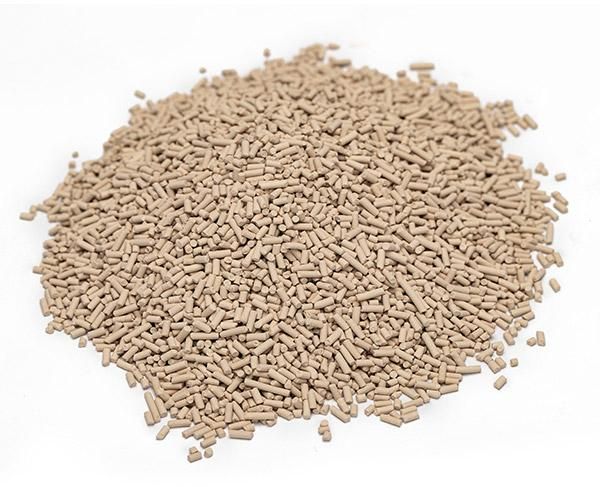
The molecular sieve NSP-4, also called zeolite NSP-4 or zeolith NSP-4, is a velocity separation type adsorbent. It mainly utilizes its characteristic of faster adsorption of nitrogen than methane. The kinetic selectivity of nitrogen to methane is 405. Compared with the traditional velocity separation type carbon molecular sieve, NSP-4 adsorbent has the advantages of larger nitrogen adsorption capacity faster than nitrogen adsorption rate. It is more suitable for methane enrichment.

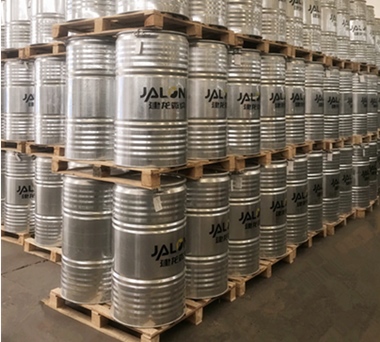
Made from aluminosilicate minerals, JLRD-7 molecular sieves are typically used as filtering agents to dehydrate or pull out moisture from AC system. With pores measuring 3 angstrom, molecules larger than it will not be adsorbed by the system. Our JLRD-7 Molecular sieves are usually used for drying system of the refrigerant R-134a in household and industrial refrigerators, freezers and air conditioners. It is also suitable for dehydration and drying of special refrigerants such as butane in refrigerators.
 Mr. Himanshu Sharma (JALON MICRO NANO NEW MATERIALS CO. LTD)NO. 890/68 Moo 3, KHAO KHANSONG, SI RACHA, CHONBURI - 20110, Thailand
 Share us via