
 Write a Review
Our Products
We offer the best product range of Wheat Seeds and Millet Seeds.
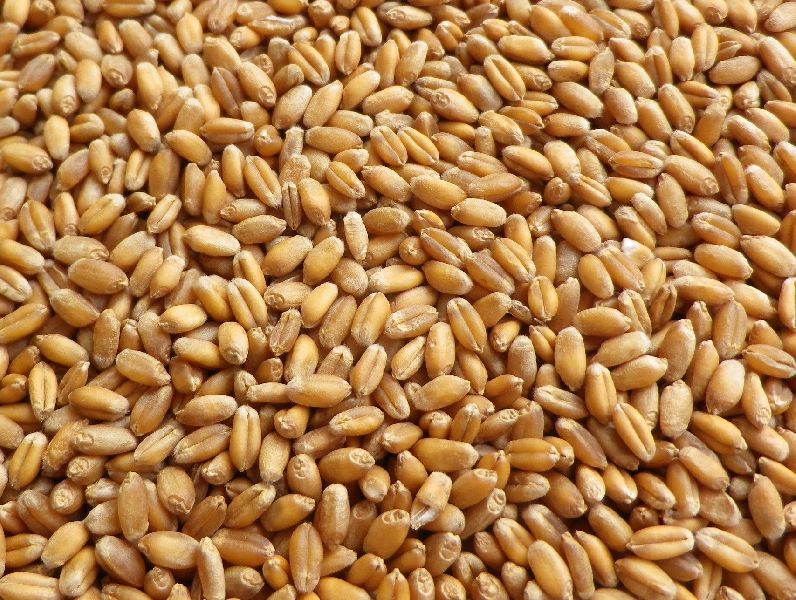
Wheat the most staple crop of human origin has been in food habits of general population since centuries. We all consume it for our daily requirements of nutrients and fulfill our need to enhance the energy level. We can’t even think of our food without this important crop. It's been ages that we have been consuming it and seen many changes which has lead to its improvement and enhancement not only in terms of quantity but quality also. Number of research are being gone on worldwide to enhance the production of wheat. Wheat Varieties for Rabi Season are Hi 8759 (Tejas), HD 4728 (Malawi), HW 5207 (COW3), HS 562, HD 3171, HD 1605 (Ujala), Lokwan, Sarbati, Shore.
Wheat is an important source of carbohydrates. Globally, it is the leading source of vegetable protein in human food, having a protein content of about 13%, which is relatively high compared to other major cereals but relatively low in protein quality for supplying essential amino acids. When eaten as the whole grain, wheat is a source of multiple nutrients and dietary fiber. In a small part of the general population, gluten – the major part of wheat protein – can trigger coeliac disease, nonceliac gluten sensitivity, gluten ataxia, and dermatitis herpetiformis.
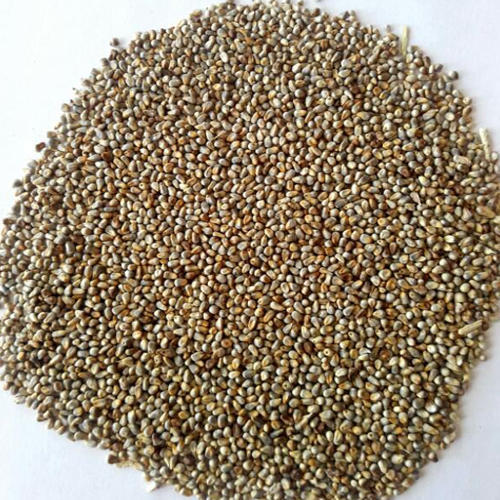
Bajra popularly known as Pearl millet, cattail millet or bulrush belongs to the family Gramineae. The crop is cultivated for grain as well as for fodder in the arid region of Africa and Asia and as a pasture in U.S.A. It is originated in India or Africa. It is grown all over India except Assam and part of northeast India. Bajra is grown rainfed and crop being drought resistant hardly needs any irrigation, however it is observed that the yield may be significantly increased by irrigating the crop at critical growth stages like maximum tillering, flowering and grain filling stage. Therefore, light irrigations and efficient drainage is very essential for bajra production.
Types Of Bajra: NBH-149, VBH-4 developed for Andhra Pradesh, Madhya Pradesh, Gujarat, Maharashtra are capable of producing 14% higher yield. ICM4-155 gave higher yield than the standard check and adopted for all growing tracts of India. Also H-306, NH-338 and hybrid like MP-204, MP205 have been identified.
 Mr. Rahul Adhvaryu (The Way Corporation)
 Office No-304/A, Sai Poojan Residency, Manisha Chokri, Near Sai Baba Temple, Amroli, Surat, Gujarat - 394107, India
 Share us via









