 Scotland, United Kingdom
 Write a Review
Our Product / Services
We offer the best product range of Gulf Coast Sheep, Scottish Blackface Sheep, Shropshire Sheep, Cormo Sheep and Cheviot Sheep.
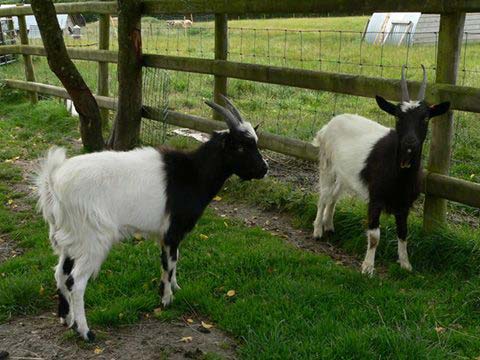
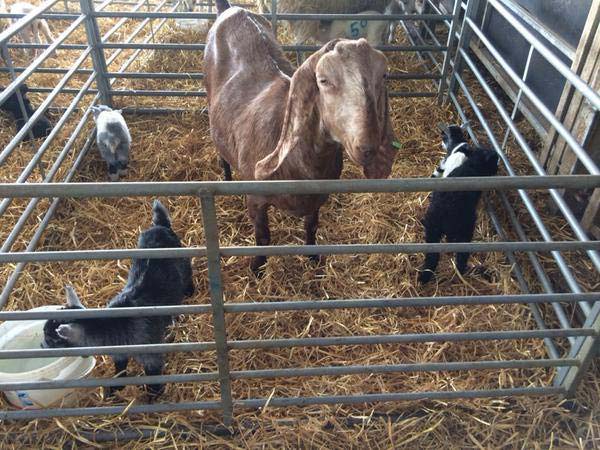
Healthy full blood bagot goats with complete VET. Babies, young, senior and pregnant are available. wormed and feet trimmed
Additional Information:
Payment Terms : T/T,
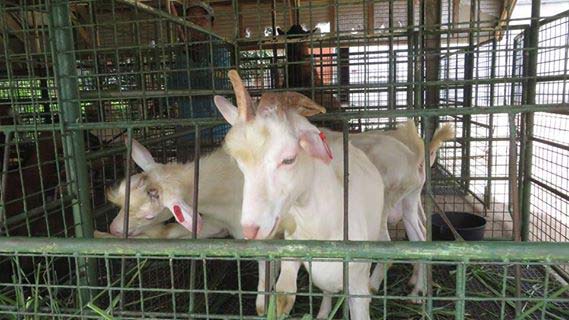
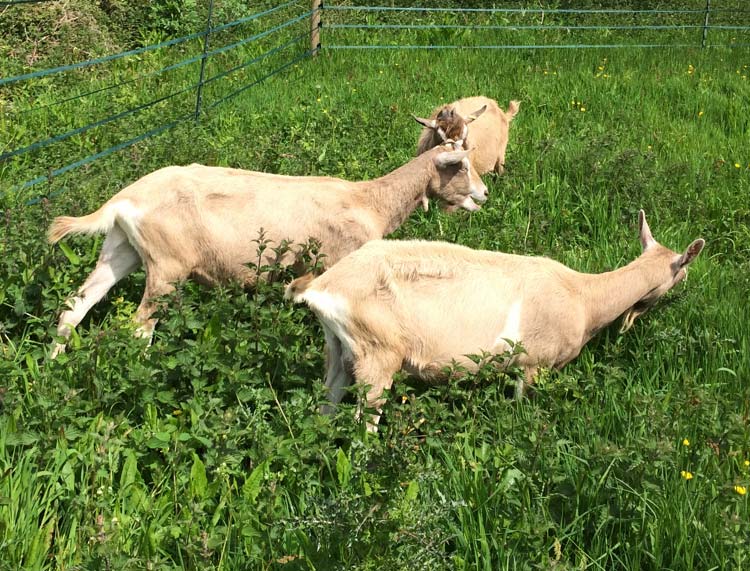
Healthy full blood saanen goats with complete VET, best for milk production. Babies, young, senior and pregnant are available. wormed and feet trimmed.
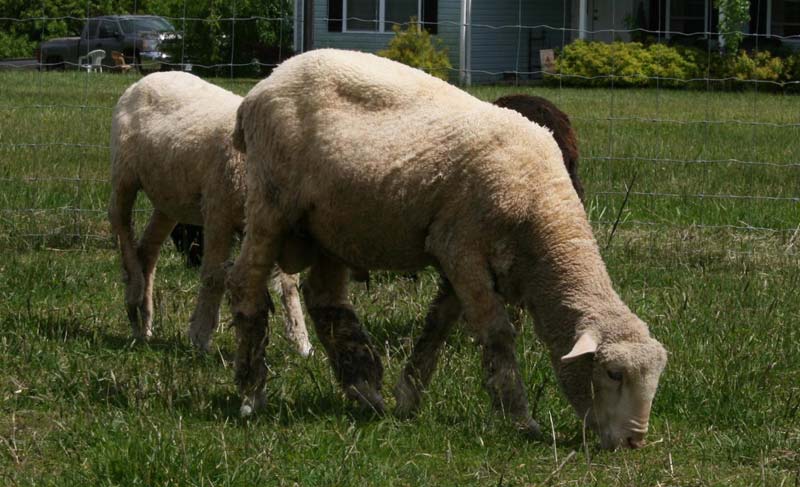
Animals Farm breed Cormo sheep, and a host of other breed of sheep. babies, young, adult and pregnant sheep are available. Cormo sheep (ram lamb) grow faster and good meat for other.
Details:
Additional Information:

We are one of the respected names in the market of Scotland(United Kingdom) and are offering amazing deals on our products. We are a one-stop destination and the perfect place for purchasing excellence assured Columbia Sheep.
Details:
Additional Information:

Known as the essential inputs, raw materials that we use are carefully checked against varied quality parameters. Thus, we are capable of delivering a flawless range of products to the clients. Our quality analysis wing comprises deft professionals who conduct strict checks for ensuring zero-defect products.
Details:
Additional Information:
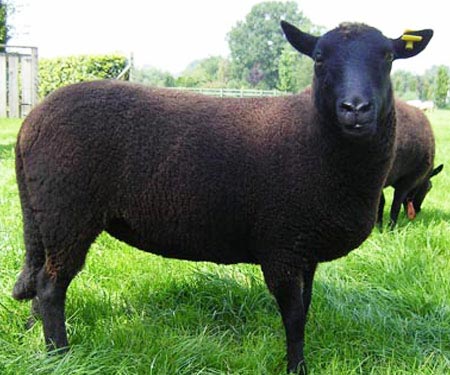
The Black Welsh Mountain sheep is a color type of the Welsh Mountain sheep. Black Welsh Mountain sheep are small and hardy with no wool on the face or legs; the males are horned, but females are normally polled. These sheep are known for lambing easily, as well as good milk and very high fertility.
Additional Information:

The Clun Forest is a breed of domestic sheep originating from the area surrounding the Clun Forest in Shropshire, England. The breed has a short to medium–length wool and dark brown faces. They are a multi–purpose animal, kept for meat, wool, and milk. Like other dark faced sheep, Clun produce quality lamb and mutton.
Additional Information:
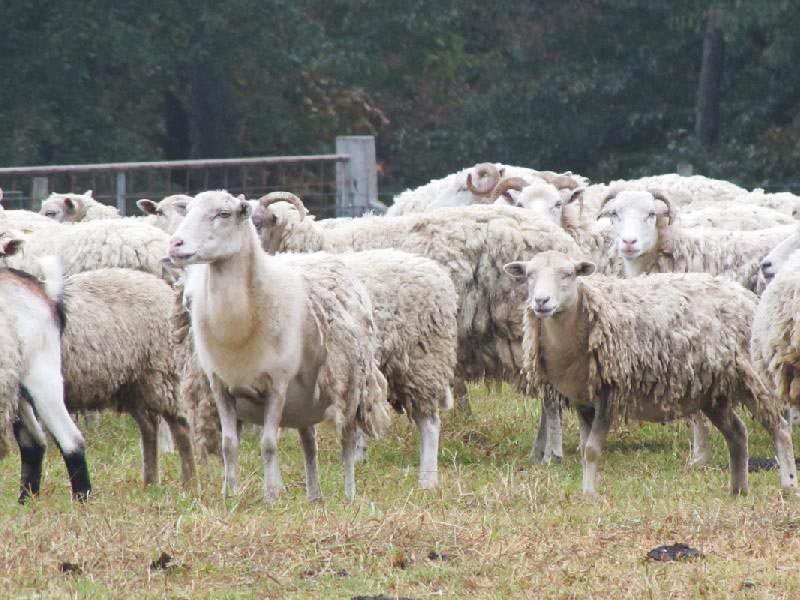
Gulf Coast Natives are small fine-boned sheep, with ewes weighing no more than 180 pounds and rams 200. They are often much smaller, especially on poor grazing land. They may be polled or horned in both sexes. Though primarily a meat breed, Gulf Coast Natives carry a light wool that may have some hair in it, with a staple of 2.5-4 inches long. It is usually white, but may be brown, black, or spotted occasionally. All Gulf Coast sheep do not have wool on their faces, bellies or legs, which is an adaptation to the heat.
Additional Information:
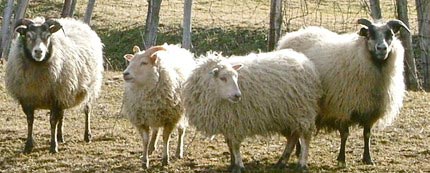
The Icelandic is a mid-sized breed, generally short-legged and stocky, with face and legs free of wool. The fleece of the Icelandic sheep is dual-coated and comes in white as well as a variety of other colors, including a range of browns, grays, and blacks. They exist in both horned and polled strains. Generally left unshorn for the winter, the breed is very cold-hardy. Multiple births are very common in Icelandic ewes, with a lambing percentage of 175% - 220%. A gene also exists in the breed called the Þoka gene, and ewes carrying it have been known to give birth to triplets, quadruplets, quintuplets, and even sextuplets on occasion.
Additional Information:
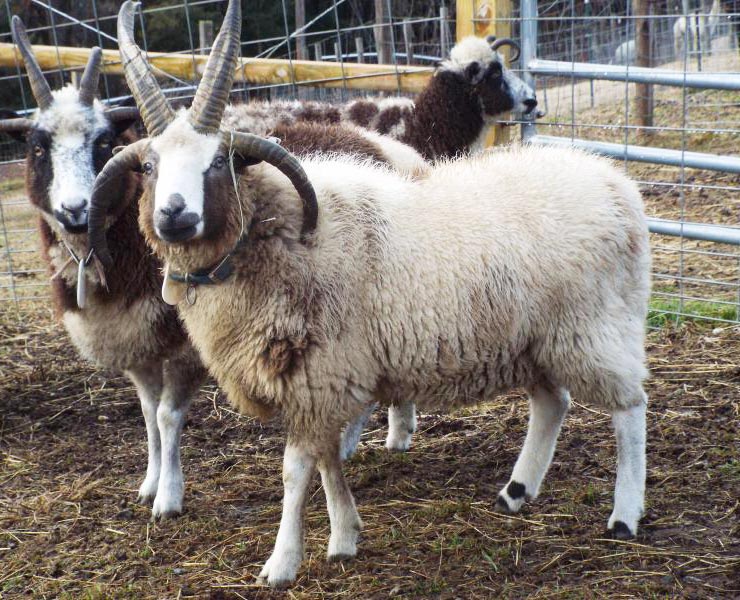
The Jacob sheep is a rare breed of small, piebald, polycerate sheep. Jacobs may have from two to six horns, but most commonly have four. The most common color is black and white. Jacobs are usually raised for their wool, meat, and hides. Mature rams (males) weigh about 54 to 82 kg (120 to 180 lb), while ewes (females) weigh about 36 to 54 kg (80 to 120 lb). The body frame is long, with a straight back and a rump that slopes toward the base of the tail.
Details:
Additional Information:
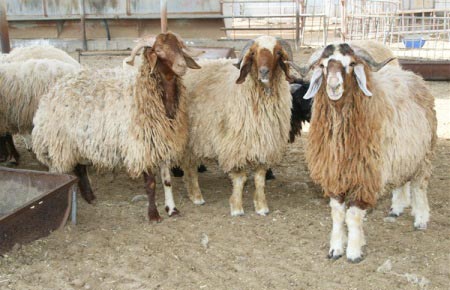
The Karakul is possibly the oldest domesticated sheep breed in the world. They are native to Central Asia’s deserts and feature open faces with fine bone structure. Their ears are pendulous and they have a thick tail, which stores extra nourishment and is similar in function to the hump of a camel. The Karakul can adapt to a variety of climates and very resilient animals with docile personalities. They are capable of raising sheep well and are known to live long lives. Their fleece is often white, blue, tan, silver, gray or reddish-brown in color. At birth, the lambs have a thick fleece coat that is known as “Persian Lamb Fur.” It is common for the Karakul to be double-coated and they are primarily used in wool production and are sought after by the world’s hand spinners.
Details:
Mature Body Weight
Average Fiber Diameter
Grease Fleece Weight
Yield
Staple Length
Additional Information:
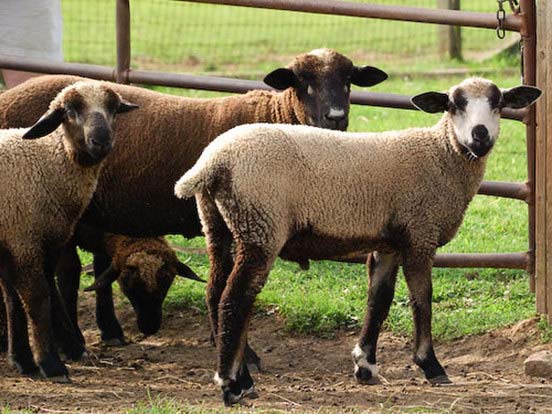
The Navajo-Churro breed rams can have two, four, six, or more horns. This is because they possess the polycerate gene, which is also found in old heritage breeds like the Jacob Sheep. They also have the ability to have fused horns. Ewes also can have horns. The color can be black, white, or striped. The growth of ram horns is slow. A full rack takes at least four to five years to grow out. A ewe's horns can also grow large, but not to the extent of the rams. The horns often curl around to the front, and should be away, and not close to the face. The horn quality is essential to getting good genetics in a flock; bad horns in the sire will continue down through his offspring. Horns can break, and as they are living at the base, they will bleed.
Details:
Additional Information:
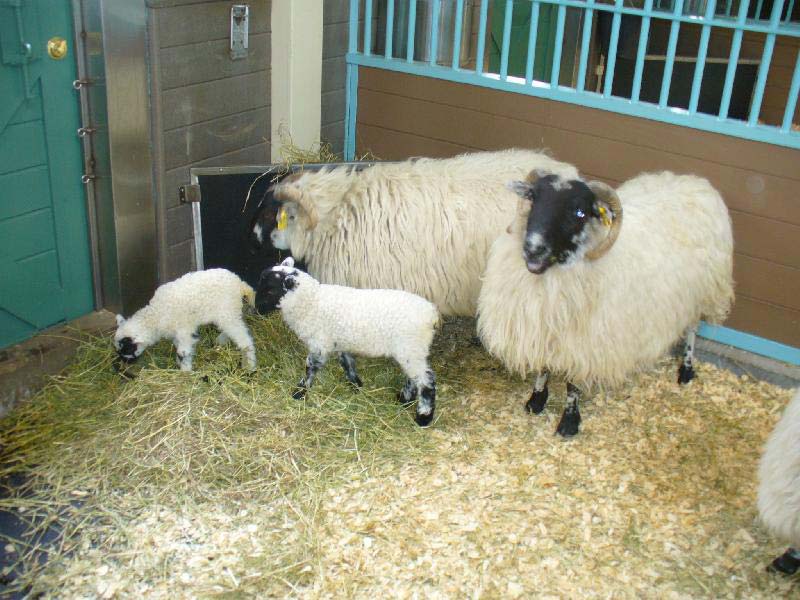
The Scottish Blackface is considered a medium sized sheep and is distinguishable by their black and white marked faces. Their heads and legs often have little bits of wool or none at all. The ewes are good at raising sheep and are also good at providing milk. They tend to be quite protective mothers. The Scottish Blackface has wool that is coarse and long. It is very well known in Great Britain due to its exceptional use for crossbreeding, particularly the Bluefaced Leicester and the Border. Both sexes of Scottish Blackface are capable of having horns.
Mature Body Weight
Average Fiber Diameter
Grease Fleece Weight
Staple Length
Black : white
Additional Information:
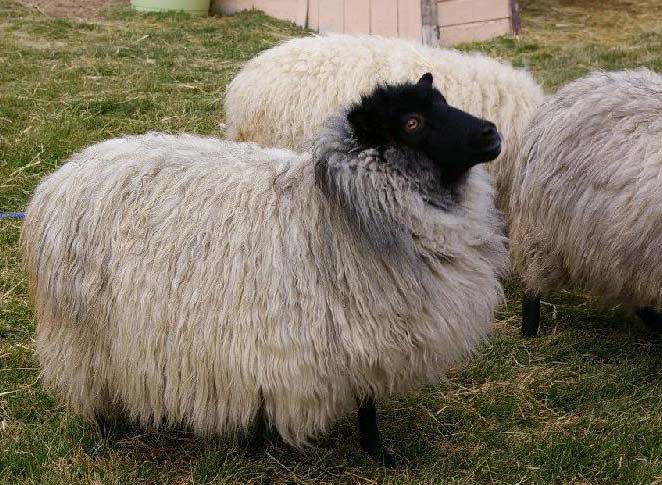
he Shetland sheep is a small, wool-producing breed of sheep originating in the Shetland Isles, but is now also kept in many other parts of the world.
Details:
Additional Information:
Minimum Order Quantity : 10 Metric Ton
Approx Price : INR 34000 Per 2 Pair
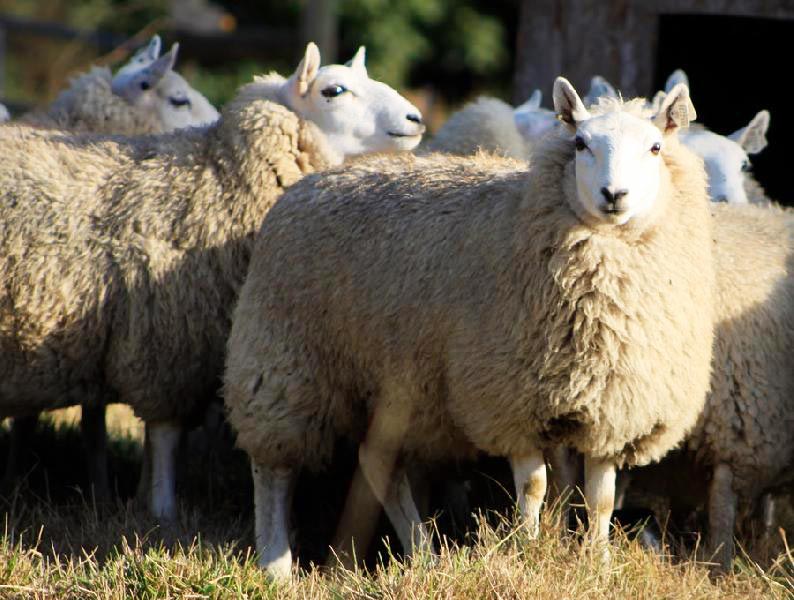
The Cheviot is a breed of white faced sheep which gets its name from a range of hills in north Northumberland and the Scottish Borders. Cheviots are small, but they are primarily considered a meat breed of sheep - producing well-muscled carcasses and growing at a moderate pace. Cheviot sheep also produce wool, though not as much (and not as high quality) as sheep breeds raised primarily for their wool production. Cheviot sheep can live in a wide range of climates as well as in areas that are scarce in feed: these sheep are hardy animals with sturdy, muscular frames. The Cheviot sheep breed makes an excellent choice for young children enrolled in 4-H - a popular breed of sheep for show due to their smaller size and alert nature.
Mature Body Weight
Average Fiber Diameter
Grease Fleece Weight
Staple Length
Additional Information:

The Hampshire sheep breed is primarily raised for meat production, though the breed has also emerged as a popular choice for youngsters in 4-H and FFA rings due to its dramatic, flashy appearance in the show ring. Hampshire lambs are fast-growing and at maturity the Hampshire sheep breed is heavy boned with a lean carcass.
Mature Body Weight
Average Fiber Diameter
Grease Fleece Weight
Staple Length
Additional Information:

For many shepherds, the Oxford stands out above other meat breeds due to its heavy fleece, which is the heaviest of all breeds of Down. Oxford sheep are average to large in size and have faces that are dark brown (a distinguishing feature from Hampshire and Shropshire sheep) along with wooly legs and a full topknot. Oxfords are considered a valuable breed to combine with commercial ewes and is one of the most popular breeds to use for meat production in the United Kingdom.
Additional Information:
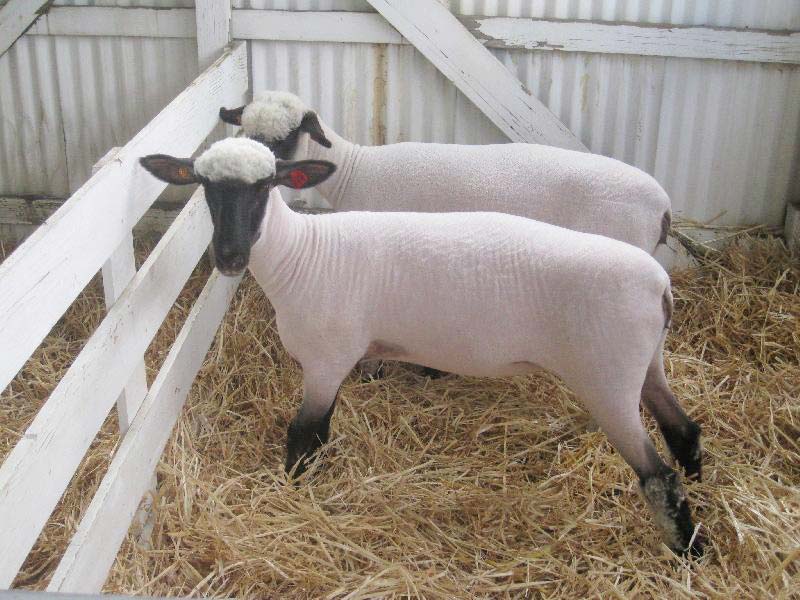
Shropshire sheep originally come from England where the breed was developed from crossbreeding Leicester, Southdown, Cotswold and native sheep.hough they are primarily a meat breed, Shropshire wool is classified as medium-grade, making it a solid value for commercial use.
Mature Body Weight
Average Fiber Diameter
Grease Fleece Weight
Staple Length
Additional Information:
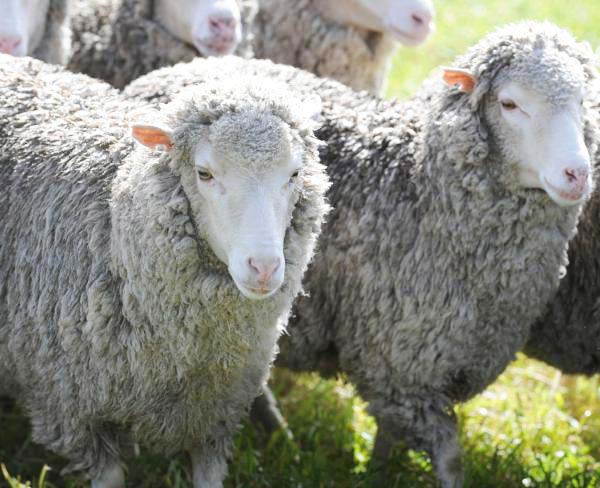
The Booroola Merino typically has wool covering its entire body and has a white face which is free of dark fibers. The merino is known around the world for producing a thick, fine fleece and as a result this breed is highly sought after for wool production.
Mature Body Weight
Average Fiber Diameter
Grease Fleece Weight
Yield
Staple Length
Additional Information:

The Debouillet is one of the most rare sheep breeds, The rams of this breed could be either horned or polled but the Debouillet is primarily considered a "ewe breed" - valued for its wool and lamb production and the strong maternal instinct of its ewes.
Mature Body Weight
Average Fiber Diameter
Grease Fleece Weight
Yield
Staple Length
Additional Information:

Our entire range of products is made using high-quality and certified inputs, which are sourced from reliable vendors present in the market. Our quality auditors follow a strict selection process for the same. In order to attain maximum client satisfaction, we strictly check the product quality on several counts prior to final dispatch.
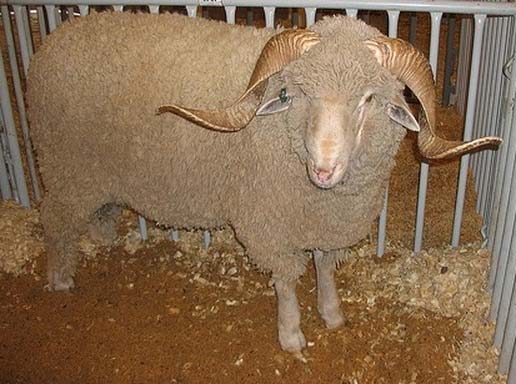
Rambouillet is considered one of the leading breeds of fine-wool sheep and Rambouillets can thrive in a wide variety of conditions, Highly valued for their outstanding wool production and high-quality fine wool fleeces, the Rambouillet sheep breed also offers commercial farmers a decent rate of growth and suitable carcass: traits which help to separate this breed from some of the smaller fine wool breeds which experience a much slower rate of growth in lambs. Rambouillet rams have an impressive rack of horns in either a tight curl close to their head (pictured above) or a sprawling curl which extends away from the face (pictured below).
Mature Body Weight
Average Fiber Diameter
Grease Fleece Weight
Yield
Staple Length
Additional Information:

The Targhee sheep breed is a combination of the Columbia, Corriedale and Rambouillet - all white-faced sheep breeds known for their production. Targhee sheep are commonly used for meat production as well as wool production.They have thick, high quality fleece, open faces and are a hardy, adaptable breed.
Mature Body Weight
Average Fiber Diameter
Grease Fleece Weight
Yield
Staple Length
Additional Information:

The Polypay sheep breed was the product of combining the Dorset, Targhee, Finnsheep and Rambouillet sheep breeds to produce a versatile and productive breed of sheep. The Polypay is an average sized sheep that boasts a longer season for breeding and features a white face. They are good mothers, known for doting on their lambs and producing plenty of milk (the product of their genetics - Finnsheep, Dorsets and Rambouillets are all known for being prolific and for their excellent mothering instinct), as well as lambs of high quality carcass and growth rates. It is hard to distinguish the various traits such as body size, fleece and type due to the fact that the Polypay sheep breed is still a relatively new breed and as such it is still undergoing observation.
Mature Body Weight
Average Fiber Diameter
Grease Fleece Weight
Yield
Staple Length
Additional Information:

The Panama sheep breed is a cross between Lincoln ewes and rams which were Rambouillet. After approximately five years of crossbreeding, the breed was established and mating between Panama sheep was all that was required to maintain the breed. The Panama is a resilient breed of sheep which can live in a variety of conditions, though the Panama breed is known to thrive in areas which offer plenty of feed. With an appearance similar to that of the Columbia sheep breed, the Panama is a mid-sized sheep - somewhat smaller than the Columbia (one of the largest sheep breeds). The Panama breed as it is known today possesses a thick, heavy wool fleece that is of medium-grade and tends to be long in length (staple). Panama sheep are typically highly valued for their wool production - a successful and dynamic cross of two prized wool breeds.
Mature Body Weight
Average Fiber Diameter
Grease Fleece Weight
Yield
Staple Length
Additional Information:
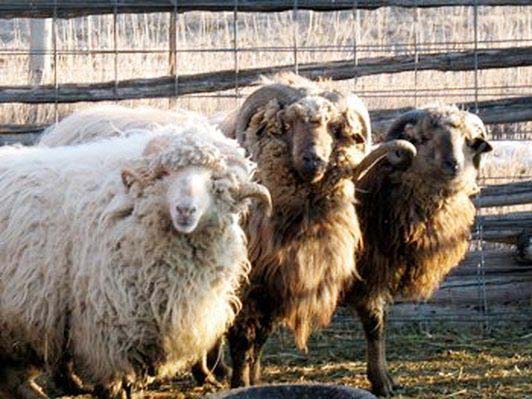
The Finn Sheep is a breed of domestic sheep and available with us in different sizes. Driven by the passion to provide nothing but the best, we have risen as trusted suppliers of Finn Sheep in the market. We keep close eye on the quality of the products so as to deliver the best in class range.

Valued for both their wool and their meat production, Corriedales possess a thick fleece which comes in high quantities and is rated as medium to fine. Corriedale wool is also a desirable length (staple) and is quite soft in comparison to the wool of many other breeds - a trait inherited from its Merino ancestors. Many hand spinners prefer to use Corriedale wool because of its unique combination of desirable qualities. The carcasses of Corriedale lambs are high quality the fact that this dual purpose breed produces both high quality meat and wool makes it a popular choice for shepherds who'd like to maximize production. The Corriedale breed has a white face with black points (hooves and nose) and possesses a medium sized body.
Mature Body Weight:
Average Fiber Diameter:
Grease Fleece Weight:
Yield:
Staple Length:
Additional Information:
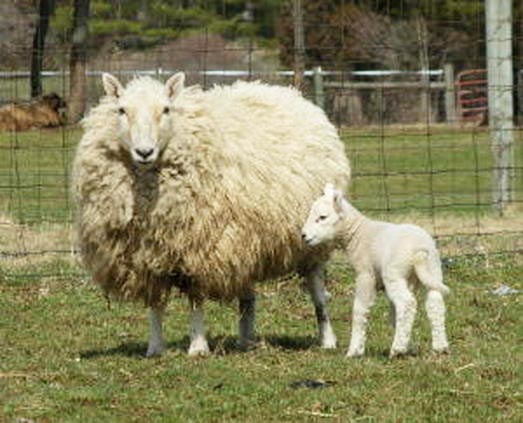
The fleece of the American Miniature Brecknock covers almost its entire body, with the head and legs closely resembling the appearance of the Cheviot breed with pricked ears and short, fine and glossy hair covering the head and legs which are bare. While the American Miniature Brecknock is one of the smallest sheep breeds, it is surprisingly hardy and has become popular due to its longevity, resilience and productivity. The American Miniature Brecknock is commonly used in wool and meat production and shepherds enjoy this sheep breed due to its lively nature and spunky personality around the farm.
Additional Information:


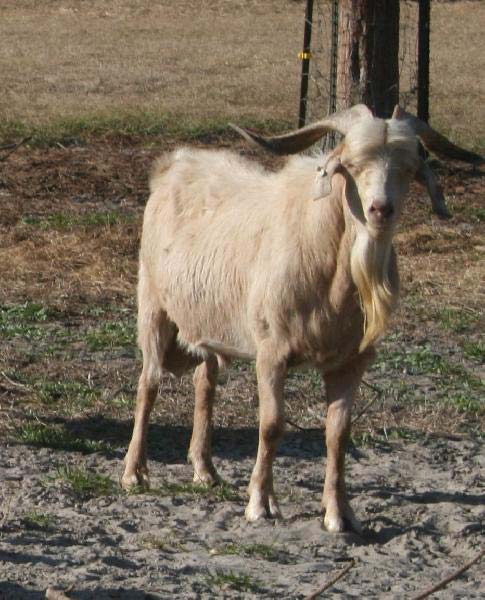
This goat was intentionally bred in the land of New Zealand so as to lead a bountiful supply of meat. The term kiko means flesh and sometimes meat. Its developers, Garrick and Anne Batten came from South Island and they came up with the Kiko breed from feral goats that got freedom from the European settlement. They can be found in various parts of the country and they are known to have tough bodies but relatively smaller than the other breeds.This breed was the result from the mix breeding of specific feral goats along with the Saanen, Anglo-Nubian and the Toggenburg.
Additional Information:


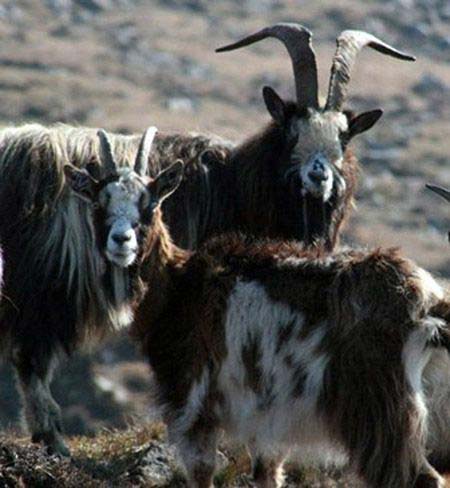
Despite its name, the Irish goat is not native to the country of Ireland. Instead, it was brought over to be domesticated and kept for its skin, milk and meat. Over time, more and more Irish goats have been released into captivity either after escaping their owners or being deliberately set free. This is why a lot of feral Irish goats can be seen in the mountainous regions of Ireland. The goat's feral counterparts have thrived in the wild because they are nimble and can manage sharp cliffs easily.
Although the domesticated and the feral versions of the breed have retained their similarities, the feral goats have shaggier hair and larger horns. Due to their long shaggy coats, these goats are comfortable with the cold weather, and can survive on grazing lands and wild shrubbery.
Additional Information:

A rare and isolated goat breed of Nordic origin, the Icelandic Goat is dates back to the Settlement of Iceland more than 1, 100 years ago. Many believe that the goats came with the settlers from Norway at 874 A.D. Morever, it is believed that the goats were never imported ever since it came. However, there were historical records from 1703 onwards that there were several places in Iceland where it is being kept since.
Despite this, their numbers decreased greatly. The earliest record in 1703 numbered at 818. The highest was in 1930 where the goats numbered at 2, 983. In 1960, it recorded less than 100 heads. There were efforts to conserve the goats. The Farmers' Association of Iceland made efforts to make the Icelandic Goats more important commercially by marketing its goat meat and skins. The Icelandic Goat also produces an excellent undercoat of cashmere.
In conserving the Icelandic goat, farmers need to take part in the local production of its goat milk products, like cheese. The Icelandic goat has a unique type of milk and meat. In 1991, there were experimental production of goat cheese from Icelandic goat and it yielded promising results. There can be a market for goat milk products in Iceland.
The Iceland goats are a small breed where the females weigh around 35 - 50 kg and the males around 60 - 75 kg. Both males and females are commonly horned. Like many other Icelandic breeds of Nordic origin, the Icelandic goats also come with a range of colors. Around 20% of the goats are white and around 80% have mainly piebald, badgerface and grey patterns.
Weight: Male 60 - 75 kg / Females 35 -50 kg
Additional Information:

Hyrcus Goats are fleece goats which produces high quality cashmere. Hyrcus goat can be found in several regions of Asia. Currently, it can be found in China, Mongolia, Afghanistan and Iran. The Hyrcus goats are very adaptable to changing weathers. In fact, it can survive very cold winter months as well as very torrid summers. In surviving this different kind of weathers, the Hyrcus develops a course outer coat. It also develops an underfleece which is commonly known as "cashmere" but referred to by the breeder as "down". The light and soft fiber that the Hyrcus goat produces measures around 14 to 15 microns which is capable of maintaining temperature insulation for either hot or cold climate. The Hyrcus produce about 150 to 200 grams of cashmere.
Additional Information:
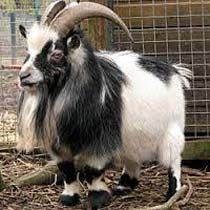
he Chigu goat breed is found spreading all around Himachal Pradesh. There are also thousands of them found in Sikkim. They are known as providers for high quality meat or what is called as chevon. Its coat is turned into high class pashmina. It is usually seen in white with some mix of grey and red colors. They are medium in size with tiny ears and bent horns directed upwards.
They are raised as free range animals and require limited maintenance only. It grazes on common village lands along with some wild vegetation found by the road side. It gives solo births only once each year. The National Bureau of Animal Genetic Resources has also considered this goat breed as an endangered species.
Details;
Additional Information:

The Changthangi is also known as the Pashmina goat breed. It comes from Tiber and other surrounding regions, particularly in Ladakhi Changthang. It is raised to produce meat and of course, wool. Once it is woven, it is called as pashmina.
This goat breed comes with fleece that is warm and thick. They can live in grasses found all over Ladakh where the temperature can drop up to -20 degree Celsius. Their wool produced is whats used for the popular Pashmina shawls in the market. It is recognized to be one of the finest that is exported around the globe.
It is often found in white color but can also come sometimes in colors of brown, grey or black. Their horns are large and twisted and used by farmers too as pack animals because of their strength. During the summer days, they go to the higher parts of the alpine pastures and when winter arrives, they come back down to the valleys of the land.
The mature Changthangi can produce up to 200-300 ml of milk each day after her kids are weaned. About 20% of its population is culled annually to be sold for butchers, hence it is already in the list of endangered species.
Details:
Additional Information:

A wild breed of goat which was said to live on Bilberry Rock in Waterford City located in the south of the Republic of Ireland for several hundreds of years. The Bilberry are large goats with long and shaggy blonde coats and large horns. The males weigh around 50-75kg while the females weigh around 35-60kg. Their horns can be as long as 49 inches for the males which make their horns the longest among the other goat breeds. Most nannies give birth to one or two and start to breed as early as a year old. The kids follow their mother until they are six weeks old and usually live up to 8 years old.
Weight : Male 50-75kg/ Female 35-60kg.
Unique to other goat breeds which can be found in Ireland or Great Britain, this breed was said to be related to other breeds of goats like Pashmina, Maltese or Cashmere. There is only one herd of this breed. People from Bilberry believe that the Bilberry goat was brought in by Huguenots from France over 300 years ago. This breed is actually close to extinction. In the year 2000, it only numbered 7 and in 2005, there were only 21. There were local volunteers who set up a charitable institution in 2000 called The Bilberry Goat Heritage Trust to help protect these goats from extinction.
The Bilberry used to graze in a 14-acre land that used to be commonage. It was sold to a developer that will turn it into a residential area. This action would make the breed extinct and there were several appeals made publicly to protect the breeds from extinction. The Zoning authorities reduced the goats area to 12.5 acres instead of the original 14 acres. The Irish Wildlife Trust is aggressively building the campaign to protect the Bilberry because under the Wildlife Act 2000, the Bilberry is not actually a protected species and Bilberry Rock is not a Natural Heritage Area. In 2008, the herd numbers at 42 and is led by a nanny.
Additional Information:


he Angora goat breeds' origins can be traced right back to the earliest times of the history of the Bible. Its most important part is its hair that it can produce twice than the average goat. Its mohair is similar to the wool but has smooth and thin texture and surface. It can accept dye impressively and made ideal for the creation of plushes. Both its female and male breeds are horned with the first much shorted and the males having more spiraled types of horned. Its weight can range from 180 to 225 pounds.
They are very sensitive especially when it comes to parasites compared to the sheep. Their meats are sold at low grade but acceptable.
Additional Information:

This breed has a height that measures from 19 to 29 inches with various color patterns that are common with the goat breeds in places like the Swiss, Angora, and the Nigerian. When they are properly socialized, they come with a calm disposition making them a friendly goat breed. It is of medium size and can produce both good meat and milk.
Additional Information:

The Oberhasli or Swiss Alpine is a breed of striking color and amiable temperament. They are well known for their gentleness and ease of handling.They originated in the Bernese Oberland of central Switzerland. The name Oberhasli translates to highlander. The original breed was naturally hornless.Obers are a medium sized breed with purebred does ranging from 120 lbs. to 150 lbs.These goats are a rich red bay color with black legs, stomachs, dorsal stripes, and either black face stripes or a solid black face. Often they also have a black stripe from chin to chest and a black ring around the neck. They are sometimes born pure black and these may be registered purebred or american if they are female. If they are male, they must be registered in the experimental herd book.Obers have higher sugar content to their milk and higher butterfat content than other Swiss breeds. The butterfat content is around 4.5 to 5 percent and the milk is sweet and rich, tasting very close to raw cow's milk. Some does have been known to give as much as 2 gallons of milk a day. More often they give a gallon to a gallon and a half a day once mature.They do very well in rainy areas as most will graze in the rain and cross creeks without trouble. For this reason, plus the ease of handling, and gentleness with children, wethers of this breed make excellent packing goats.
Additional Information:

Also known as Oberian and more formally called Miniature Oberhasli, the Mini Oberhasli is a dairy goat from crossbreeding a Nigerian Dwarf with an Oberhasli. A purebred Mini Oberhasli is created after six generations of breeding to Mini Oberhaslis. For goats less than 6th generation, they are considered experimental breeds. Purebreds usually have red bay coats with black markings. Other goats have pure black or sometimes full red. Registered by the privately owned Miniature Dairy Goat Association (MDGA) and a non-profit corporation The Miniature Goat Registry, a full red Mini Oberhasli cannot be registered. These breeds look more like a medium sized Oberhasli. Having blue eyes, which is one trait that came from their Nigerian ancestors, is allowed. This breed produces from 4 to 10 lbs of milk a day. The does height should be a minimum of 53 cm with a maximum of 71 cm. The bucks minimum height is 58 cm with a maximum of 76 cm.
Details:
Additional Information:

Being a blue-chip firm in this arena, we have set strong tie-ups with the leading e-commerce merchants who work for us and guarantee safe and secure transactions. We are one of the respected names engaged in the process of supplying quality Chamois Colored Goat at nominal rates.
Details;
The Chamois Colored comes in various AKAs like Chamoise des Alpes, Camosciata alpine, and Chamoix Alpine among many others. It milk and meat breed are in Switzerland belonging to the Swiss Mountain group. They usually come in brown color with black stripes on the face, the back, its legs and belly. They can be seen as polled or sometimes horned.
This Swiss dairy goat comes in medium size with a vigorous appearance. It is obviously in chamois color which means ranging from light to deep red. Some white hairs can also be found on its coat. It is typically the bucks which have more black color on various parts of its body.
It is a highly adaptable goat breed. They are much shorter in length compared to other Swiss breeds. It has a deep jaw and some broad muzzle. Its forehead is wide and has a pair of prominent eyes. Its ears are set low and pointing forward. It boasts of a friendly disposition. They stop in medium size when they grow mature.
They also serve as pack animals like dogs used to help in transporting good. They are not afraid of water and other elements of nature found along the trails. Above all, they are preferred by most due to its calm and gentle demeanor.
Colour:
Additional Information:

We have cemented our presence in the market by offering high quality lot that is prepared using the best grade material and modern work methodologies. Also, the material is sourced from the genuine vendors only. We are a quality-driven firm and dedicatedly work towards attaining maximum client satisfaction. And, for this, we have adopted several measures for ensuring high quality of our products.
Additional Information:

This goat can be found in the southern part of California and raised by the US Navy. It is considered a feral goat that has a Spanish origin. It has been living within the island for hundreds of years already, probably since the era of the 1500s. But it was in 1934 when the US Navy took charge of its caring.
These goats are considerably smaller than the usual kind that they can be almost considered as dwarf types. They are bred for its meat and can be compared to the likings of a deer. Both sexes are horned and their colors are usually in tan or red with some black marks.
Additional Information:

This goat breed is what's considered myotonic and a domestic goat. It is unique on its own for its muscle freezes up to ten seconds when they get the panicky emotions. Experts say that this is painless for the animal but it certainly collapses just in one side. This is actually caused by a genetic disorder. The younger goats of this breed also stiffen up when they get surprised. Their height can go from 43 to 54 cm and its weight from 27 to 79 kg. They produce good meat and dairy too. It has white color with some black spots on the face. There is even a festival named after the fainting goat.
Details:
Additional Information:

These are very adaptive domesticated breed which thrives even in extreme climactic conditions and poor environmental situations. Also, this type is widely tolerant to numerous diseases. Anatolian Black goats are bred and raised specifically for fiber, meat, and milk production. The typical Anatolian Black goat can produce large volumes of milk up to 3, 000 pounds a year. This type is also tended for the purpose of getting the weeds and grasses trimmed. This type also has a calm and mild disposition which makes them very easy to manage. They also breed all year round and reproduce rather quickly which is very economically viable especially for goat breeders and suppliers. Some breeds are even known to produce twins or triplets in a year.
Most goat breeders opt for this the Anatolian Black goat precisely because it has the dominant characteristics and advantages of an ideal goat breed that can multitask and flourish in any weather and environmental conditions given.
Additional Information:

The Kalahari Red goat breed can adapt well to the rough environmental conditions particularly in the larger regions of South Africa. They are even raised in the areas that are semi-desert. This breed is tough and sun-resistant. They are a distinct breed and extremely mobile. It can walk for far distances just to search for water and food to survive. They are highly resistant to any disease and eats lots of plants. They bear the solid red color hence it has been made obvious with its name. This color serves as their camouflage too against from any possible predator. They can weigh as up to as heavy as 115 kg.
Additional Information:
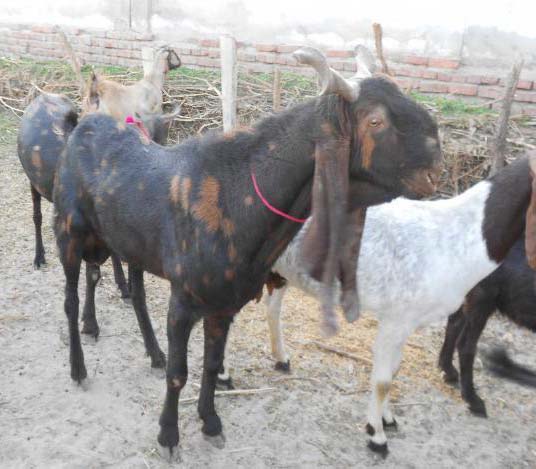
Clients can stay rest assured for undamaged delivery of the products as we strictly use only quality packaging material. Thus, we make sure that the products are 100% safe from the destructing factors. We have a large infrastructure facility, parted into different segments and one of them is warehouse wherein we maintain a large stock for meeting bulk requirements of the clients.
Details;
Additional Information:

We have well-maintained and capacious storage unit that includes all required facilities vital for a safe stacking of the products. We are working with experts and professionals and they supervise the range sternly ensuring zero damage to the stored items. Not only we present excellent products, but we are also flexible enough to make superfast deliveries and within the promised time.
Details:
Golden Guernsey is a golden colour with medium gold being the most common, the golden colour can vary from a pale blonde to a deep bronze. The length of a coat can vary considerably, but generally there is some fringing. The Golden Guernsey was first imported to England in 1965 and a closed Herd Book is used for registration.
Additional Information:

The original goat breed came from the Netherlands and has great similarity with the ones from the northwest part of Europe. It is set in medium size and it is horned. It comes with long hair and all possible goat colors except for the Toggenburg color breed. This goat breed is not used for commercial purposes.
Colour:
Additional Information:

This goat breed is located within Saxony, Germany and used to produce good amounts of milk. It is in red-brown color with some black stripes on some parts of its body like the belly and legs.
Colour:
Additional Information:

In order to meet urgent and voluminous requirements of the customers, we have installed all the in-house facility at our premises. Laced with modern facilities, it helps us in securing the product line from factors like, moisture, dust, sunlight, etc. Placed in Scotland(United Kingdom), is capable of catering to local as well as domestic markets without any hassle.
Details;
Additional Information:
We ensure on time distribution of wholesale as well as retail consignments owing to an extensive vendor, distributor and logistic facility base. We stock our product for wholesale distribution and supply as we have state-of-the-art storage facility along with the most advanced inventory management system and upgraded machines.
Details;
Gulabi Pateri Goat:This name is in two languages Urdu and Sindhi, the word GULABI is Urdu, means PINK color and the word PATERI is Sindhi means BELTED.The word Pateri has great importance in this breed, because Pateri is itself a breed's name, found in Pakistan.
Breed Formation:Basically it is a quadratic cross breed, which means, it is a combination of two Primary breeds and two secondary breeds, according to their influences.The breeds involved in this quadratic cross are Rajhanpuri goat, Pateri goat, Kamori goat and Beetal goat.A short introduction of these breeds is as follows.
Rajhanpuri Goat:They are the Beetals of Rajhanpur, it is most strongest opinion about this breed.They are pure white in color with Pinkish mat skin and their hoof are white too.They are the habitat of Rajhanpur, and that is why they are called Rajhanpuri goats.Most importantly they have loosing skin with heavy wrinkles on it under their chin.Both the males and females have no horns.They are also known as Rajhanpuri Kapla.
Pateri Goat:The Pateri is one of the heaviest breeds of goats found in Sindh.Body color is white and their face, neck and ears are reddish brown.The ears are long and drooping and wide at the end.they also have the loosing skin under their chin.They have medium size horns.They are basically meat goats but with good milking quality.
Kamori Goat:Kamori goats are actually Dairy goats but they have a large body size too.Both male and female gains a good body weight, and size that is why they are also good for meat production.One can say that they are the National identity of Indus valley, just like the Arabian horse of the Bedouin people(nomadic tribesmen of Arabia).
Additional Information:

This is a popular goat breed from the Maharashtra region of India. They are of medium size and white in color. Its ears are of medium size too and both females and males have tiny horns. They make good quality of milk too.
Additional Information:

Weight: 150-300 + pounds Height: Same as Boer They are a somewhat new breed to the US. Savannas are very hardy; less parasites, diseases, & foot problems. They are very good meat to many.
Details:
Additional Information:
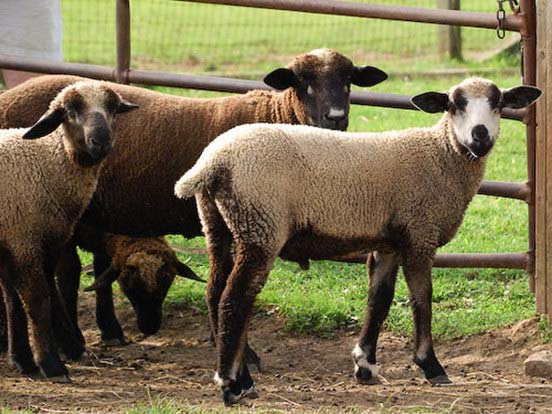
We have divided our infrastructure into different units including packaging unit wherein we pack our offerings meticulously to circumvent loss during transit. We own a well-maintained storage facility that helps us in meeting bulk and urgent requirements of the clients at a time. It is managed and maintained by the storekeepers.

She is one of the original seven that I got from my uncle. Queen bee of the herd. Very friendly loves licking your fingers and legs and getting her sides scratched. An exceptional mother. Her baby once got its head caught in the fence and she stood screaming in the middle of the field until I came out and then showed me where her baby was so that I could help it. Always great milk producer. 2012-2013 three single births. 2014 twins(boy and girl), 2015 (twin girls), 2016(twin girls). I have kept quite a few of her doelings. All have been great mothers and milk producers.
Details;
Additional Information:

Beautiful Chamoisee with brown saddle moon spot, white spot on right side. Blue eyes. Moonshine is the first dwarf Nigerian to be brought to our farm. I love her blue eyes and vibrant colors. She also is the first goat that we've had to give birth to triplets and in 2015 first to give birth to Quads. Two boys and a girl 2013. Little stand-offish but will eat corn from your hands. 2014 triplet boys, 2015 Quads(three girls and one boy).
Details:
Additional Information:

Placed in Scotland(United Kingdom), ours is an emerging company serving the clients with broad range of products. Customer satisfaction is our utmost priority due to which we efficiently store the entire batch in the well-structured warehouse till the delivery of the orders to the customers.
Details:
Additional Information:

The Merrrit is a new breed of Cashmere goat. In fact it is the first breed of Cashmere to be established in Australia.The Merrrit arose from a series of Rural Industry Research and Development Corporation research projects. Several of these projects were conducted by Dr Bruce McGregor. He found that Australian Cashmere is softer than cashmeres of other origins and that there is very great variation in both fineness and productivity of Cashmere goats in Australian herds.
Details:
Additional Information:

Originally from the Shandong Province, the Jining Grey is distinguished for its striking wavy patterns of its kid-pelt. It is actually a traditional commodity in international markets. This breed does well in temperate areas and abundant feeds. They usually reach sexual maturity at around 3 to 4 months of age. They can give birth at around twice per year or thrice two years. They are very prolific and fertile. In fact, they have an average kidding rate of 294%.
Both male and female Jining Greys are horned. They can also be distinguished with their foretops. The coats vary between black, white or black and white. Compared to other breeds, these goats are small bodied with the males weighing around 33.2 kg and the females at around 25.4 kg.
This breed also produces some cashmere. The fleece that is produced from the males will range from 50 - 150 g with cashmere fiber being 18 - 30 percent of that. The females produce lower, only around 25 - 50 g of fleece and cashmere being only at 16 - 20 percent. The fiber diameter of the cashmere in both male and female Jining Greys average at 13.0 microns.
Details:
Additional Information:

The American Cashmere is a distinct breed of fiber goat which produces cashmere wool that refers to its two-coated fleece or downy and smooth guard hair which is one of today's lucrative raw materials processed to meet the surging demands for commercial quality and quantity.
The Cashmere breed found in the United States are said to come from the feral goat breed which originated from Australia. The research on cashmere down production started in the early 1970s wherein the American purebred goats are producing down but is not abundant enough for commercial purposes. It was in the 1980's that Cashmere goats were imported from New Zealand and Australia. Proper and standardized selection and breeding was done with the purebreds and the Cashmere breed. The Cashmere industry then was formally established in the United States. The Cashmere industry in the United States is still at its developing stage but has enormous potential to becoming a major global producer.
American Cashmere goats are relatively large sized and has a mild nature which makes this breed compatible alongside cattle and sheep. This is also very easy to handle as they are relatively smaller than dairy goats. Cashmere goats are typical bred and raised for purposes of meat production, land cultivation, and fiber production. The mature male usually weighs around 150 lbs, while the mature female weighs 100 lbs.
The American Cashmere usually produce offspring from February to March which is also the most conducive period for selecting and purchasing goats. These are usually weaned around three months of age. Breeders get to see the Cashmere goat's full fleece usually in December just before shearing.
Additional Information:
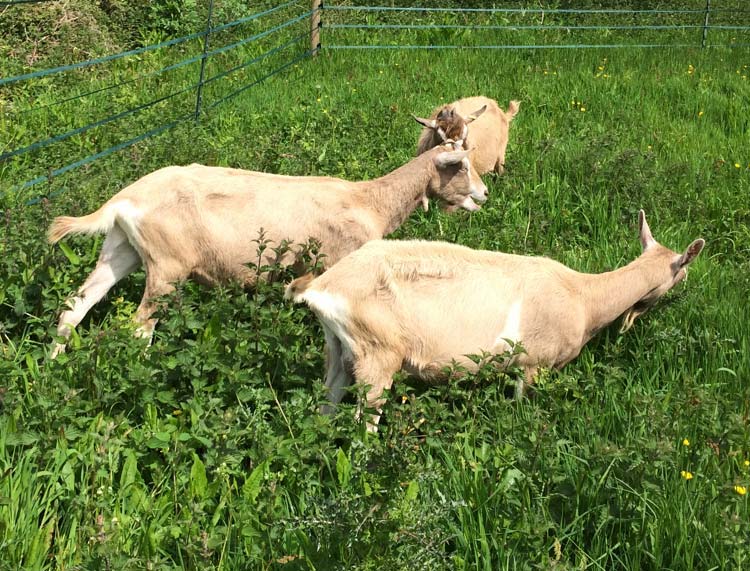
We properly package our products using premium supplies and ultramodern technologies to make sure they endure shipping, handling, mechanical damages etc. We provide customized packaging solutions. Delivering the orders on time is one of our specialties for which we are highly admired by the clients.
Details:
Complete Herd - all Goats ListedAll goats are/will be registered with the British Goat Society. They are very friendly and have a great pedigree. They have all been dis-budded although both boys do have scurs.
Additional Information:

We ensure that the delivery schedule should be properly maintained in order to meet the exact requirements of the customers. We have streamlined inventory system and spacious warehouse that assist us in meeting the voluminous requirements of the clients and that too in the stipulated time span. With the latest facilities, we efficiently ensure year round availability of the products.
Details:
Additional Information:

Our payment procedures are hassle free and transparent. We take aid of reliable online and offline payment procedures for your safety as well as ours. We ensure the payment is done legally along with documentation. Only strict and different quality tests, we undertake, ensure the utmost quality of our products. It is 2.5kg.
Details:
Dose Rate:
Contents:
Features:
Additional Information:
Great way to offer a salt lick to your animals. Salt has always been essential to animals for their general health. New Zealand soils are low in sodium and selenium among other essential elements. What better way to enrich your animals need for salt by utilising the premium 100% Himalayan salt with the 84 minerals and trace elements your animal needs. Himalayan salt lick is an actual source of over 84 minerals and trace elements including Iodine, Calcium, Magnesium, Potassium, Zinc and Selenium that are essential for good health.
Subject to immense geological pressure over 250 million years, Himalayan salt has a unique crystalline structure that makes it easy for your animals to absorb.
Himalayan Salt Lick is:
Additional Information:

These dried mealworms provide a protein rich treat that is also a great source of natural vitamins, minerals and key nutrients that birds and reptiles need to thrive. It is 125gm.
Details:
Additional Information:
 Mr. Jackson (Animals Farm)15 Restelrig Square Edinburgh, Scotland - EH7 6HA, United Kingdom
 Share us via