Write a Review
Our Products
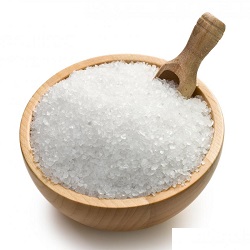
We offer the best product range of Raspberry Seed Oil Virgin, Pongamia (Karanja) Seed Oil, Frangipani Hydrosol, Glitter Pearl White Mica and Epsom Salt USP.
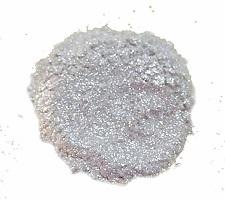
Lots of glitter for you. The maximum micron size (150) that may be used in face makeup. Just add a bit of color and you have an eyeshadow with lots of sparkle.
Approved for cosmetic use without restriction.
Micron Size 30-150
Glitter Pearl White MicaIntroduction
Coloured Micas which is their popular name or Pearlescents as they are also called, are beautiful natural colours that are created by coating muscovite mica flakes with high heat resistant iron oxides, ultramarines (referred to as nature identical) or dyes.
What Is Natural
Natural is a word that is often used to describe products or ingredients. The definition of natural according to the English Oxford Dictionary meansexisting in or derived from nature; not made or caused by humankind. Coloured micas are made from ingredients formed from mineral rocks and we can probably all agree that rock from the Earth is natural. Of course to put these crushed rocks onto your face or in your cosmetic products without refining and purifying them first would be totally irresponsible practise not to mention extremely painful!
How Are Coloured Micas Formed?
They must go through a complex manufacturing process involving mica flakes, occasionally titanium dioxide and iron oxides or ultramarines depending on the end colour, to become the stunning colours that we have all come to know and love. For cosmetic use, coloured micas must then go through an extra process to refine and purify them even further which brings them to cosmetic grade standards for use in all products defined as cosmetic.
What Can Coloured Micas Be Used In?
They are used in a wide variety of applications including decorative paints such as for car paintwork, wonderful effects can be achieved on the artists canvas as well as caligraphy. They are also used in card making, candle making (normally to decorate the surface) and of course cosmetics including soaps.
Cosmetic grade coloured micas are most famously known for their use in mineral makeup and are the preferred choice for colouring mineral eyeshadows, lip products, blushers, etc. They are also used by nail enthusiasts in nail polish and have gained incredible popularity as a natural alternative to colour soaps.
Are All Coloured Micas The Same?
No. The colour range of coloured micas can cover the whole spectrum and beyond! Within that spectrum, you will then find certain colours can be metallic in nature, others iridescent, there are colour shifters as in chameleon and so many more. Then there is the system for size grading of coloured micas and in fact most mineral ingredients, this is done in microns. With coloured micas, generally the lower the micron size, the more inclined they will be to shimmer rather than sparkle and the coverage will be heavier. The higher the micron size the more sparkle they will have and less coverage.
To Dye Or Not To Dye
Coloured micas coated with artificial dyes can bleed somewhat in soap, so when buying coloured micas for soap making, it is always best to check with your supplier on which type of micas they stock.
We choose not to stock coloured micas containing artificial dyes as we prefer to keep our products as close to natural as we possibly can.
Coloured Micas In Cosmetics
Add them singularly to pre-mixed eyeshadow bases forstunning eyeshadows or make up your own tailor madecolour blendby mixing a few together. They are notlimited to eyeshadows either, some of the more muted pinks, lilacs, peachesandbrowns can be added to blusher bases to give a very pretty effect.
Theycan also be used as eyeliners, just dampen your eyeliner brush, tip a little out of your container into the lid or on to the back of your hand, dip in and draw as simple as that! Remember, not to dip your wet brush into any containers of mineral powders, tip a little out firstand use.
Either way, in formulating mineral makeup we need these beauties like an artist needs his palette!
Note:It is important to remember that you should never grind your coloured micas unless you want them to lose their lustre.
Coloured micas are very sparkly and when used in M&P their vibrancy and sparkle is magnified even more. When mixed into the opaque batter in cold process soap they loose much of their sparkle but still retain their colour but less saturated. When used to decorate the surface, using many popular techniques such as mica oil swirls, our colours will really make your products stand out from the crowd.
The coloured micas that you see in this categoryare the most popular colours used regularly in CP soap by our wonderful community of soapers.
Suggested usage rates:-
CP Bases 1.0% to 5.0% calculated by total weight depending on the desired colour intensity.
Opaque M&P Bases 1.5% to 2% calculated by total weight.This equates to 3tsps to 5tsps of Coloured Mica per 500g of base depending on the desired colour intensity.
Clear Translucent Bases- 0.25% to 0.5% calculated by total weight.This equates totsp to 1tsp of Coloured Mica per 500g of base depending on the desired colour intensity.
| INCI | Color Index Number | CAS # |
| Mica | 77019 | 12001-26-2 |
| Titanium Dioxide | 77891 | 13463-67-7 |
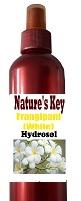
Frangipani (Plumeria) Hydrosol has an exotic, fresh and sweet scent, very romantic, gentle and feminine. It cools and calms, and is great for deep skin cleansing and toning.
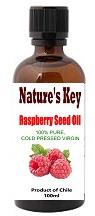
Virgin Cold-Pressed Oil
Raspberry Seed Oil VirginRed Raspberry Seed Oil is cold pressed virgin oil and contains a high 50-60% of Essential Fatty Acids or EFAs, the most abundant of which are linoleic, alpha linolenic, and oleic acids. The composition of these omega-3 and omega-6 fatty acids has been shown to reduce the effects of oxidative stress in skin.
Red raspberry seed oil is an excellentfree radicalscavenger andantioxidant, and a rich source of alpha and gamma tocopherol as well as y-tocopherol, along with carotenoides (Vitamin A). With a reported use for the prevention of rash, eczema and other skin lesions, it also has superior anti-inflammatory properties as compared to other well-known oils such as virgin avocado oil, grapeseed oil, hazelnut oil, and wheat germ oil (Oomah, et al 2000).
Notably, thesome studies also indicates red raspberry seed oil may have the potentialto act as a broad-spectrum UV-A and UV-B shield when used at full strength. According to the Oomah study, with a protection factor equal to titanium dioxide and a potential SPF between 28 50 for UVB and 6.5 7.5 for UVA, it may prove valuable in sun screen formulations. This was merely a study indicating some sunscreen potential, but it should, by no means, be relied upon without further independent testing. Red Raspberry Oil is a natural crop and, as such, its constituents can vary from batch to batch or harvest to harvest. As with any cosmetic raw material, any sunscreen benefits would have to be proven or disproven through sunscreen testing of any sunscreen formulation.
While red raspberry seed oil may be a valuable addition, claims for the SPF of products containing it should not be made without SPF testing of finished formulations through a certified lab as required by the FDA. One should also carefully consider the risk of using untested sunscreen products one might create, as final SPF of a formulation cannot be known without testing it, and, barring that, you could do yourself or others more harm than good.
We do not endorse or recommend that Red Raspberry Seed Oil be combined with Coconut Oil and Carrot Seed Oil as a DiY sunscreen. Without testing, it is impossible to know the SPF of such a combination and the use of untested sunscreen products can result in severe burns!
Red raspberry seed oil has a long shelf life due to its oxidative stability, making it an excellent oil for use in creams, lotions, lip balms, salves and other anhydrous formulations.
Our Red Raspberry Seed Oil is cold pressed and cold filtered throughdiatomaceous earth(DE). It is not refined, deodorized, decolorized or otherwise treated.
This product, while considered a food grade oil, is repackaged for cosmetic use and is for external use only. It is not sold or intended for consumption.
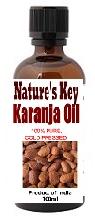
Suitable for cosmetic applications.INCI: Pongamia glabra (Karanja) Seed Oil Method of Extraction: Expeller PressedOther English names for this oil include Honge oil (from Kannada), Kanuga oil (from Telugu), Karanja oil (from Hindi), and Pungai oil (from Tamil).
Country of Origin: India
FOR EXTERNAL USE ONLY!
Karanja Oil
Native to India, Karanja Oil is pressed from the seeds of the Pongam Tree. The Pongam is a fragrant, flowering tree that is considered a cousin to Neem. Karanja Oil offers an array of similar therapeutic benefits to that of its pungent relative while having a milder, pleasant aroma that is much more versatile for use in cosmetic applications.
Oil propertiesKaranja Oil Properties: Stable Shelf Life (2 Years) Golden Brown Color Moderate Viscosity Quick Absorption Distinctive Aroma High Oleic (Omega-9) Fatty Acid Content: >50%.
ExtractionPongamia oil is extracted from the seeds by expeller pressing, cold pressing, or solvent extraction. The oil is yellowish-orange to brown in color. It is toxic and will induce nausea and vomiting if eaten, but it is used in many traditional remedies. It has a high content of triglycerides, and its disagreeable taste and odor are due to bitter flavonoid constituents including karanjin, pongamol, tannin and karanjachromene.
UsesKaranja Oil is highly recommended for inclusion in moisturizers and hair care products where emollient is desired. In skin care, the Oil is used to treat eczema, psoriasis, skin ulcers, dandruff and to promote wound healing. Karanja Oil is also prized for its insecticidal and antiseptic properties.
The Oil is Perfectly Suited for the Following Personal Care Applications:
Mature, Aging Skin
Damaged, Dry, Cracked Skin
Eczema, Psoriasis and Other Skin Conditions
General Skin Care
Brittle and Damaged Hair
Dandruff
Lip Care
Insect Repellents
 Toni (AFRICAN SHOP L.L.C)
 118-223 Ayal Nasir, Dubai, United Arab Emirates, United Arab Emirates
 Share us via