 GST : 29AJSPK7589B2ZH
 Write a Review
We Blucrafts are a leading and distinguished Manufacturer, Exporter, Supplier, Retailer and Service Provider of quality Antique Products, Art Metal Ware, Bone & Horn Crafts, Bowls and Carpet.
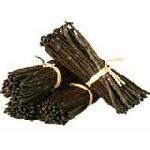
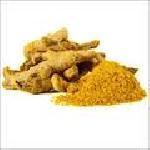
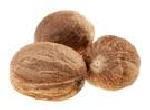
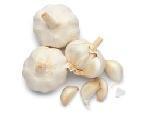
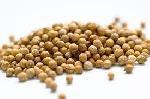
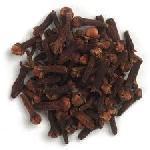
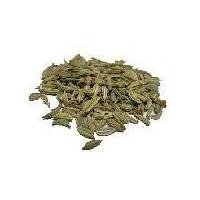
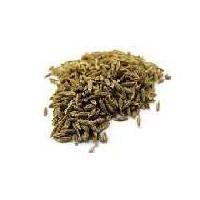
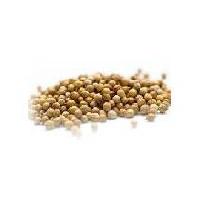
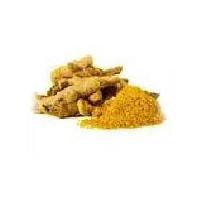
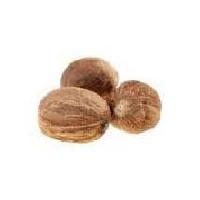
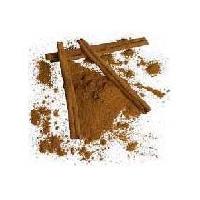
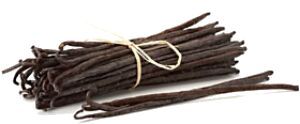
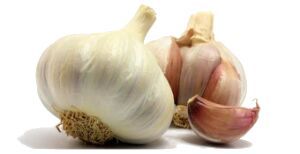
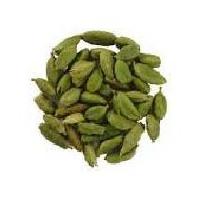
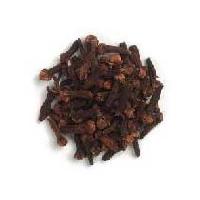
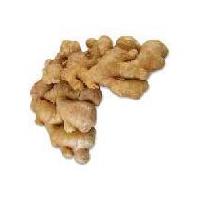
India is known as the 'The home of spices'. There is no other country in the world that produces as many kinds of spices as India. There are over 80 spices grown in different parts of the world and around 50 spices are grown in India. The climate of the country is suitable for almost all spices. A spice is a dried seed, fruit, root, bark, or vegetative substance used in nutritionally insignificant quantities as a food additive for flavor, color, or as a preservative that kills harmful bacteria or prevents their growth. A spice may be available in several forms: fresh, whole dried, or pre-ground dried. Generally, spices are dried. A whole dried spice has the longest shelf life, so it can be purchased and stored in larger amounts, making it cheaper on a per-serving basis. Below are some of the commonly used Indian cooking spices that not only add flavor to your dishes but are also used for several other purposes such as medicine,religious rituals and preservatives. 1. Black Pepper, 2. Cardamom, 3. Cinnamon, 4. Cloves, 5. Coriander Seeds, 6. Cumin Seeds, 7. Dried Chillies, 8. Dry Ginger, 9. Fennel Seeds, 10. Garlic, 11. Nutmeg, 12. Turmeric,13.Vanilla
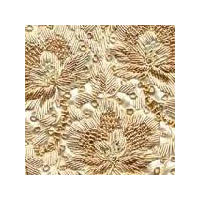
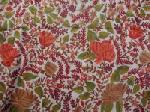
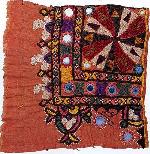
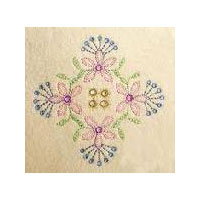
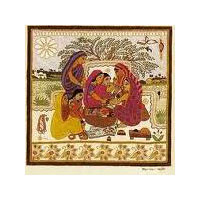
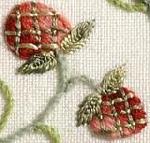
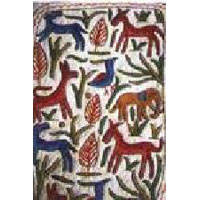
Embroidery is the art or handicraft of decorating fabric or other materials with with threads, wires or leather using a needle. the basic techniques or stitches of the hand embroidery are mainly classified into chain stitch, buttonhole or blanket stitch, running stitch, satin stitch and cross stitch. with the advent of sophisticated machines, embroidery is possible by machines also, especially for repetitive volume work. much contemporary embroidery is stitched with a computerized embroidery machine using patterns "digitized" with embroidery software. in machine embroidery, different types of "fills" add texture and design to the finished work. but, it is the hand embroidery that continues to fascinate mankind for thousands of years. embroidered fabrics are not only used for apparel. it is widely used in furnishing and to create unique decorative pieces of art. it is magic work of needle and thread. indian embroidery is world famous ancient craft of india demanded in international markets. indian embroiders usually work into cloth. the popular embroidery items in demand are mirror work, zardozi, gota and kinari, phulkari, bagh, chikankari, kantha, crewel, banjara and kasuti.
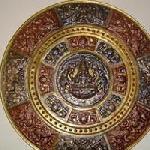
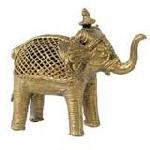
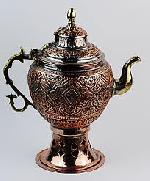
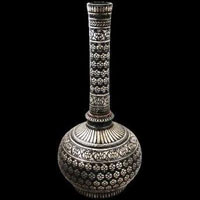
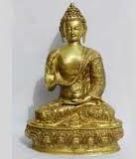
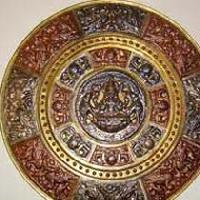
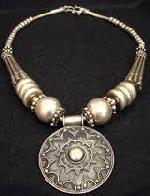
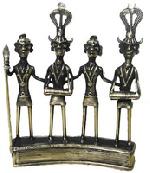
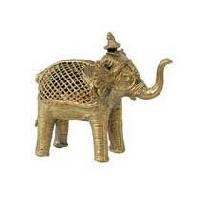
India is a home to many exquisite arts and crafts. metal crafts also started way back in 3000 b.c in india. History bears some evidences to prove the artistry of indian artisans since ages. if you are a traveler to delhi, then do visit the iron pillar at mehrauli which belongs to the mauryan era. the amazing pillar is proof to the extraordinary talent of indian artisans. even the reign of chola empire flourished the art. it was on its peak during the times of chola empire. the bronze sculptures of chola kingdom still have their essence intact to them Indian metal crafts: In india, craftsmen use different metals like iron, copper, silver, gold and alloys like bronze, bell metal, black metal, white metal etc to make a variety of art metal wares 1.pans 2.utensils 3.pots 4.sculptures 5.photo frames 6.mythological images 7.animals' sculptures 8.ash trays 9.vases 10.ornamental pieces 11.bowls 12.boxes 13.jewelry cases Process of making metal crafts: The metal crafts are generally a result of wax technique in which the artisan first makes a wax model of the item to be made of metal. once this is done, clay is used to cover the model and some clay is pierced. at last, the metal is taken out by a hole at the top which causes wax to melt. the hot metal fills up the gap. then the metal is kept for cooling and once the desired product is achieved, it is taken out of the clay and polished to beautify it. A variety of metalwork can be seen from different parts of india.
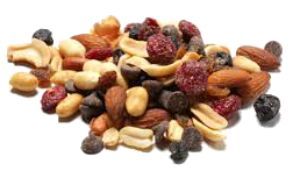
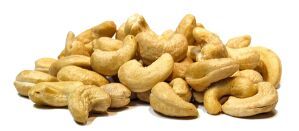
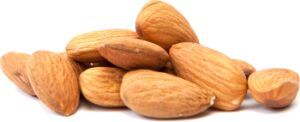
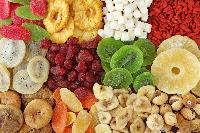
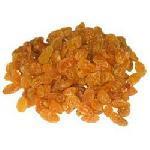
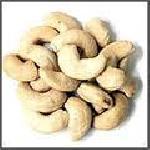
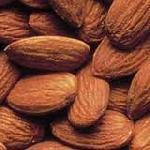
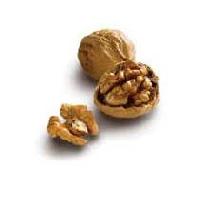
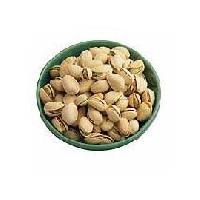
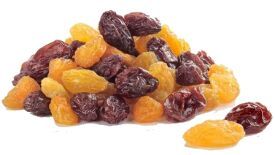
Dried fruit is fruit where the majority of the original water content has been removed either naturally, through sun drying, or through the use of specialized dryers or dehydrators. Today, dried fruit consumption is widespread. Nearly half of the dried fruits sold are raisins, followed by dates, prunes(dried plums), figs, apricots, peaches, apples and pears. These are referred to as “conventional� or “traditional� dried fruits: fruits that have been dried in the sun or in heated wind tunnel dryers. Many fruits such as cranberries, blueberries, cherries, strawberries and mangoes are infused with a sweetener (e.g. sucrose syrup) prior to drying. Some products sold as dried fruit, like papaya and pineapples are actually candied fruit Nut is a fruit; its edible seed or kernel is enclosed in a hard shell. The common nuts consumed are coconut, groundnut, cashewnut, walnut, almonds and pistachios. They are rich in proteins, fats, carbohydrates, minerals and factors of vitamin B complex. Nuts approach an ideal food by supplying high calories in a palatable form. The large proportion of fat which they contain is surrounded by a compact cellulose matrix.
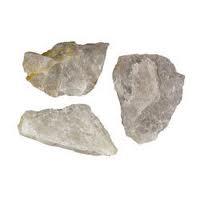
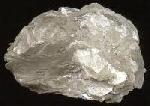
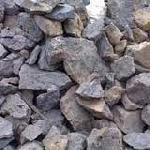
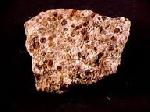
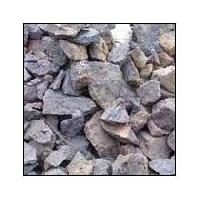
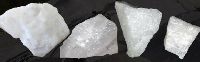
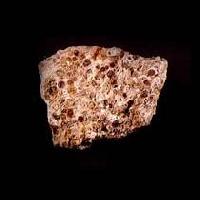
India is one of the world's most naturally endowed lands. India is home to numerous minerals which benefit the country economically. The minerals produced in India constitute one-quarter of the world's most popular mineral resources. India is gifted with important mineral resources. The country produces about 89 minerals out of which 52 are non-metallic, 4 are fuel minerals, 11 are metallic, and 22 are minor minerals. About two-thirds of its iron deposits lies in a belt along Odisha and Bihar border. Other haemaite deposits are found in Madhya Pradesh, Karnataka, Maharastra and Goa. Magnetite iron-ore is found in Tamilnadu, Bihar and Himachal. India has the world's largest deposits of coal. Bituminous coal is found in Jharia and Bokaro in Bihar and Ranigunj in West Bengal. Lignite coals are found in Neyveli in Tamilnadu. Next to Russia, India has the largest supply of Manganese. The manganese mining areas are Madhya Pradesh, Maharastra and Bihar-Odisha area.Chromite deposits are found in Bihar, Cuttack district in Odisha, Krishna district in Andhra and Mysore and Hassan in Karnataka. Bauxite depositsare found in western Bihar, southwest Kashmir, Central Tamilnadu, and parts of Kerala, U.P, Maharastra and Karnataka. India also produces third quarters of the world's mica. Belts of high quality mica are, Bihar, Andhra and Rajasthan. Gypsum reserves are in Tamilnadu and Rajasthan. Nickel ore is found in Cuttack in Bihar and Mayurbanj in Odisha. Ileminite reserves are in Kerala and along the east and the west coastal beaches. Silimanite reserves are in Sonapahar of Meghalaya and in Pipra in M.P. Copper ore bearing areas are Agnigundala in Andhra, Singhbum in Bihar, Khetri and Dartiba in Rajasthan and parts of Sikkhim and Karnataka. The Ramagiri field in Andhra, Kolar and Hutti in Karnataka are the important gold mines. The Panna diamond belt is the only diamond producing area in the country, which covers the districts of Panna, Chatarpur and Satna in Madya Pradesh, as well as some parts of Banda in Uttar Pradesh. Petroleum deposits are found in Assam and Gujarat. Fresh reserves were located off Bombay. The potential oil bearing areas are, Assam, Tripura, Manipur, west Bengal, Punjab, Himachal, Kutch and the Andamans. India also possesses the all-too valuable nuclear uranium as well as some varieties of rare earths.
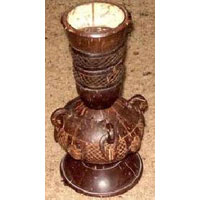
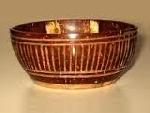
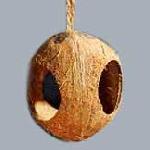
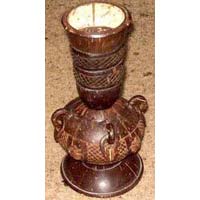
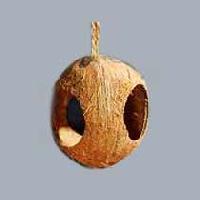
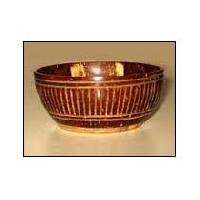
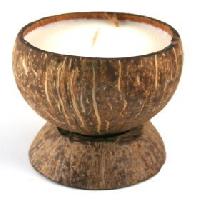
Kerala is dotted by coconut trees. This makes Kerala an ideal for exotic coconut shell craft.The main centre for coconut shell craft is Calicut district in Kerala. Carving Coconut shell is very difficult and only highly skilled craftsmen painstakingly can make art products out of coconut shell due to its hardness. The range Coconut Shell Handicrafts include coconut shell ice-cream cups, key chains, coconut shell boxes, dessert bowls, candle holders, flower vase, finger bowls, coconut shell purses, table lamp, ashtray, and many more. These are in huge demand in national market and international markets
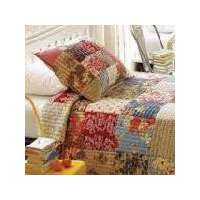
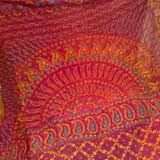
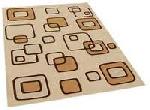
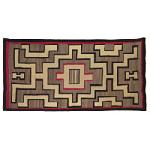
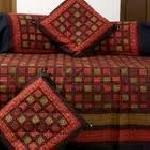
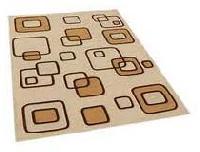
The textile industry in India is one of the largest segments of the Indian Economy and accounts for over one fifth of the country's industrial production. The Indian craftsmen produce an exotic and fascinating range of yarn, fabric, home textiles and soft furnishings. The product range includes bedspreads, curtains, rugs, durries, carpets, placemats, cushion covers, table covers, linen, kitchen accessories, made-ups, bath linen, and other home furnishings. In addition to the home furnishings, a variety of floor coverings such as carpets, durries, druggets, prayer rugs, hooked rugs and namdas made in India are extremely popular. Among these articles the durrie is the most common. In fact, the rapid growth and progress of the floor covering industry in recent years has resulted in durrie weaving (carpet weaving) becoming a large industry in India. Many of the techniques used are traditional and produced by small family run businesses.
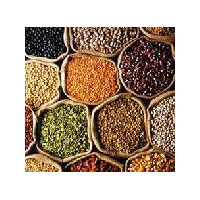
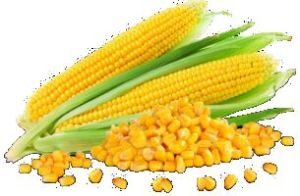
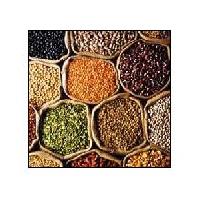
India is an agriculture based country and rich in the staple food. Cereals and pulses are an integral part of our lives, as they are the only food products that provide instant energy.
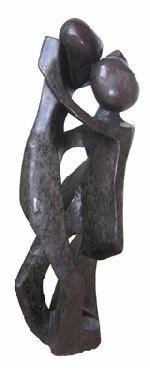
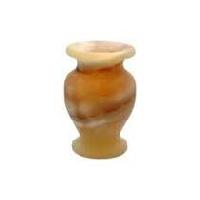
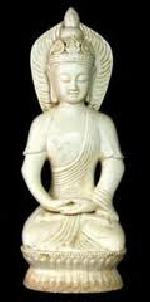
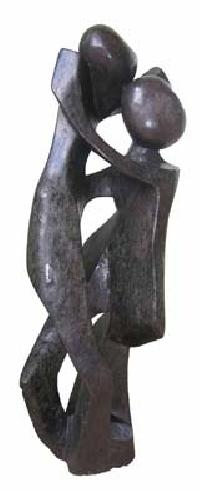
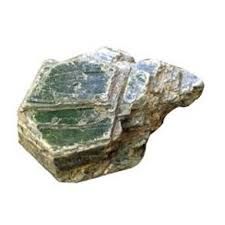
Stone is considered to be man's most baronial and noblest expression. since india has a rich culture of stonework, beautifully carved stone work in pillars and statues.it has been land of sculptors. in india, stone crafting traditions have their roots in pre-historic times, as at that time the weapons and other tools were made of stone. more professional approach in stone craft came in 7th century bc. during this time, several guilds of stone carvers and masons existed in india. during maurya rule stone craft reached to its perfection. a number of rock stupas, rock cut caves and buddhist chaityas were raised during this period.even now the numerous artisans work laboriously to craft splendid pieces of stonework. In india, all kind of stones sculptures and structures used to be made according to shilp shastra, an ancient hindu treatise on sculpture and architecture. Different types of stones like, marble, sand stone, lime stone, granite, slate stone, soap stone etc., are used by craftsmen in india. stone craft in india is not only restricted to ornate carvings on temples or sculptures of deities,but it is also used in making items like carved panels, tiles, paper weights, pen stands, models of historical buildings, sculptures of deities animals and humans etc. The basic design is traced on the stone and it is given a crude shape. the final carving is then carried out and the items are polished.
Indian tribal craft is an astounding section in modern Indian times, which slowly has taken in a cosmopolitan appearance. The final get-up that such tribal crafts receive to adorn and deck sophisticated Indian city homes, can perhaps only be described after a thorough admiration. Indian tribal crafts are available in every area of decoration and embellishment, with numerous irresistible choices, heightening one`s urge to buy tribal goods. 1.Antiques 2.Art 3.Baskets 4.Papier Mache 5.Ceramics 6.Clock Making 7.Embroidery 8.Block Printing 9.Decorative Painting 10.Glass Work 11.Fabric 12.Food / Recipes 13.Furniture 14.Gifts 15.Home Decor 16.Jewellery 17.Leather Crafts 18.Metal Crafts 19.Paper Crafts 20.Pottery 21.Puppets 22.Stone 23.Wood Working
Herbs have been used by all cultures in many forms since ancient times. They are used as a part of food, beverages, functional foods, dietary supplements, medicines, nutraceuticals, cosmetics, teas, oils, personal care, aromatics & perfumery and so on.
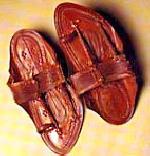
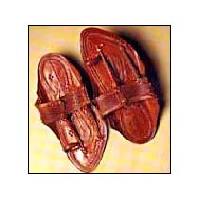
Leather Products have been used since centuries When the human race were only hunters and gatherers. They killed animals for food and used the skin for clothes. The animal hide cannot be used in raw form as it stinks and gets infected by various types of micro-organism. To prevent the same, it is processed by tanning. Depending on the method used the leather may be of various types. The hides for the leather is obtained from different animals, the most common being cow, buffalo, sheep and goat. Other hides used are obtained from skins of deer, camel, snake etc. In handicraft industry the leather is converted into various utility and decorative items.Leather products are expensive, durable and available in different varieties such as footwear, portfolios and briefcases, shopping and traveling bags, purses and wallets, pouches, belts and jackets are made. Clothing such jackets, pants, gloves, skirts, bikinis are made from leather, which is very popular today because it speaks of sophistication and elegance. These apparels are available in a variety of styles and colors. Some of the prominent products exported are: 1. Leather Footwear 2. Footwear Components (Shoe Uppers, Soles etc.) 3. Leather Garments 4. Leather Goods (Including Harness & Saddlery, Leather Gloves etc.) 5. Finished Leather
Hand block printing on a fabric is a fascinating process. india has always been renowned for its printed and dyed cotton since the 12th century. the unique art of hand block printing employs skillfully hand carved wooden blocks / metallic blocks to print designs or patterns on a fabric by hand. hand block printing though a simple process requires a lot of skills and expertise. the process is painstaking and time consuming, but the result is always unique and beautiful. In hand block printing, the design is first drawn on wood using a sharp needle and then the desired design is carved using the chisel, hammer, file, nails etc. the printing involves laying the cloth/fabric, which is to be printed, on flat tables and impressions are made using the beautifully carved blocks. in case of direct printing, the block is dipped in the colored dye and impressions are made. in case of resist dyeing, impression of an impermeable material (clay, resin, wax etc) is made on the fabric which is then dyed in the desired shade. the block image remains un printed and reappears in reverse. In the olden days,vegetable dyes are mainly used for block printing. but these days synthetic dyes are used for printing. Hand-printed textiles such as head scarves, quilt covers, tablecloths, prayer mats, pillowcases, handkerchiefs, couch covers, napkins, towels, shirts and turbans are some of the highly priced items.
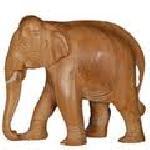
Wood has been used for making articles of utility as well as artistic nature since time immemorial. India exhibits the tradition of exquisite natural breathtakingly beautiful wooden handicrafts.The country's vast cultural and ethnic diversity has enabled a variety of motifs, techniques and crafts to flourish in various parts of the land. India possesses a tradition of elaborate woodwork for both utilitarian and architectural purposes. India's fertile soil causes all types of trees to grow in abundance - which become an unlimited source for the basic raw material needed in this craft -woodcraft. The woods used for ornamental work in India are Walnut, and Sandalwood, with its delicate natural fragrance is used in Mysore and a few other places in South India. Sal, Teak, Sheesham, Deodar, Redwood, Rosewood, Red Cedar, Ebony to name a few are extensively used by Indian craftsmen, as they focus on the fine decorative carving and inlay work. A sculpture, figure or figurine may be formed out of working wood by means of a cutting or carving tool. Some of the basic tools are carving knife, a gouge, the chisel, a mallet, v ad u shape tools and of course the grained or sand paper. The scope of carving depends on the nature of the wood. Hardwoods have a longer life and lust. Softer wood is easier to carve. Natural oils of walnut and linseed are used to polish the complete pieces to protect them from lust and moisture. The artists and master craftsmen found wood to be a highly useful and convenient medium. Wood was something on which the carvers could pour forth their ideas about mythology, legend and folklore and even emotions because wood could be easily preserved for posterity. Over the centuries, each region in India developed its unique style of wooden structures, carvings and inlay work. the states of Jammu and Kashmir, Uttar Pradesh, Gujarat, Karnataka and Kerala figure on this list.
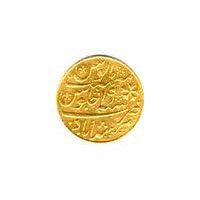
Machines And Craftsmen, the collectors and sellers old antiques - Old coins of India such as British India Coins, East India Company, Republic India coins, Mughals coins, Sultanate Coins, Pre colonical, princely state coins, and world countries coins etc, Old Indian Currencies, Foreign currencies, Different Countries Stamps, British India Stamp papers, Old Documents, Old Vessels made by brass, copper, silver, bronze, lead materials, Old Pot kinds, Well designed Furniture, Decorative wood objects, Crafts, Shells, and much number of ancient things
 Yuvarajh Kurtkoti (Blucrafts)
 247, Ranade Road, Shivaji Colony, Tilakawadi,, Belgaum - 590006 Karnataka, Tilakwadi, India
 Share us via