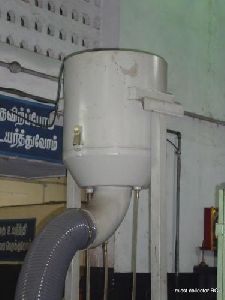
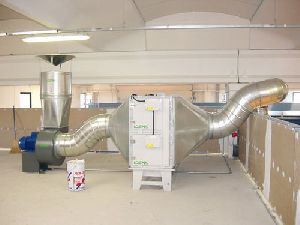
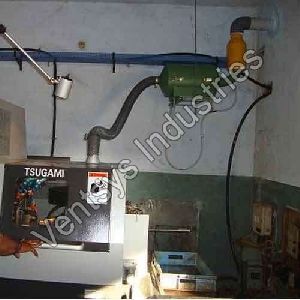
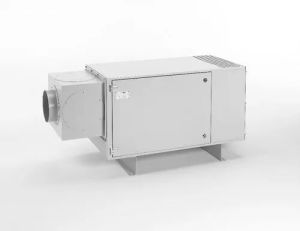
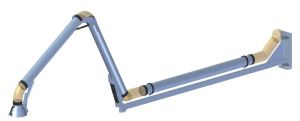
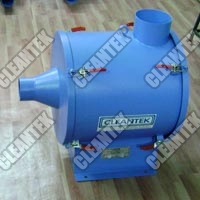
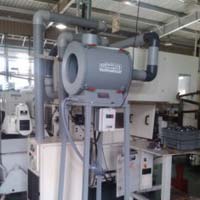
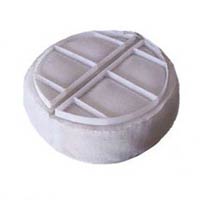
The Mist Collector is used to suck the Fumes generated from the Wash Chamber and filters the washing solution from the exhaust. Applications It is used in Tunnel Type washing Machine, Heavy Component Washing Machine, etc...
Easy replacement of the element The element and the bowl are in one piece. Replacement can be done in hand. Energy saving regulator Pressure drop: Max. 50% improvement Reduced required maintenance space: Max. 46% reduction Better visibility & safer...
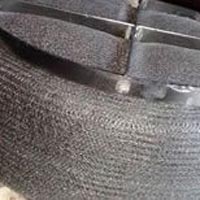
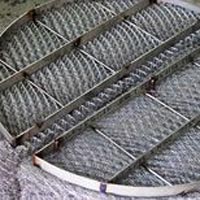
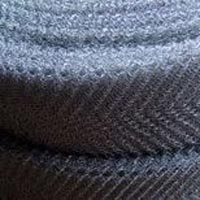
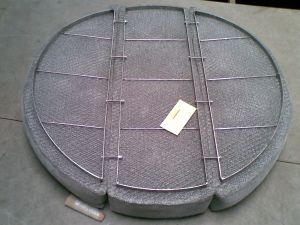
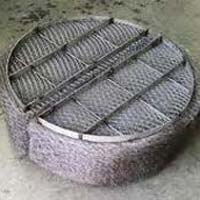
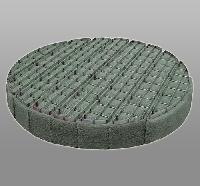
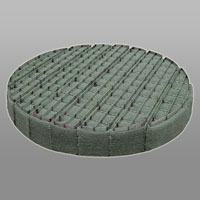
Mist Eliminator or Demister Pad Separators are used for removal of liquid droplets (dispersed phase) entrained in gases (continuous phase). The dispersed phase can cause corrosion to downstream equipment, cause undesired reactions resulting in low...
Purity : Simple Structure, Lightweight,Less Pressure Drop, Big Surface,High Demisting Efficiency,Convenient For Installation, Operation, Maintenance,Long Service Life,99% Efficiency Under General Conditions,Over 98% Open Area, Minimal Pressure Drop,Suitable For Va
Key Advantages : Suitable For High Velocity Gas Streams. Handles High Liquid Loading And High Liquid Viscosity. Resistant To Fouling And Clogging. Long Corrosion Life Due To High-grade Stainless Steel. Low Pressure Drop For Energy-efficient Operation
Efficiency : Capable Of Removing Over 99.5% Of Liquid Droplets. Effective For Particles ≥ 20 µm And 8 µm, Depending On Configuration. High Separation Efficiency Even At High Gas Velocities And Liquid Loads
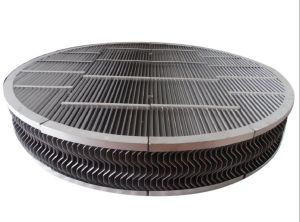
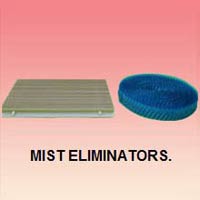
Vane Pack Type : Chevron Type Vane Pack - Specially Designed Vanes With Precise Flow Path Geometry. Suitable For Horizontal Or Vertical Flow
Material : SS316 / SS314 (other Materials Available Upon Request)
Number Of Flower : Vane Type Mist Eliminator
Application : High-performance Separation Of Liquid Particles From Gas Streams In Process Systems









 For Buyer
  For Seller
  Help
Help