My ExportersIndia

For Buyer

For Seller

For Help

Our Products

  1. Inorganic Salts 36 Products available
  2. Alcohol And Hydroxybenzene 17 Products available
  3. Ester And Derivatives 7 Products available
  4. Food Additives 7 Products available
  5. Agricultural Chemicals 4 Products available
  6. Pharmaceutical Intermediates 4 Products available
  7. Other Organic Chemical 4 Products available
  8. Organic Acid 3 Products available
  9. Organic Salt 2 Products available
  10. Benzene And Derivatives 1 Products available
  11. Ether And Aldehyde 1 Products available
  12. Other Inorganic Chemicals 1 Products available
  13. Inorganic Alkali 1 Products available
  14. Hydrocarbon And Derivatives 1 Products available
  15. Oxide Material 1 Products available
  16. Other Intermediates 1 Products available

Food Additives

China Food Additives,Maltodextrin Food Additive manufacturers, welcome Isolate Food Additive,Food Grade Food Additive purchasers from worldwide to visit our site.

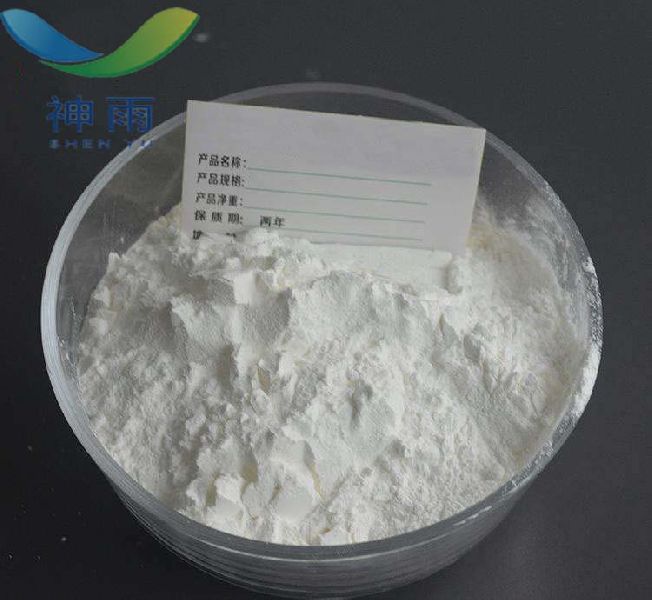
Food Grade Ascorbic Acid With CAS No. 50-81-7

  • transportation shipment
Food Grade Ascorbic acid with CAS No. 50-81-7 Product Overview Vitamin C, also known as ascorbic acid, is an acidic polyhydroxy compound containing 6 carbon atoms and has a molecular formula of C6H8O6 and a molecular weight of 176.1.Natural ascorbic acid has two kinds of L-type and D-type, and the latter has no biological activity. Vitamin C is a colorless, odorless flake crystal which is easily soluble in water and insoluble in organic solvents. It is stable in acidic environment, when met oxygen, heat, light and alkaline substances in the air, particularly oxidases and trace amounts of copper, iron and other metal ions, it will be easily broken by oxidative. Oxygenases are generally found in vegetables, so it is lost during storage more or less. However, bioflavonoids contained in certain fruits can protect their stability.It is a white solid, but impure samples can appear yellowish. Physical Properties CAS No. : 50-81-7MF: C6H8O6MW: 176.12EINECS: 200-066-2 Melting Point: 190-194 C (dec.)Specific Rotation: 20.5 (c=10, H2O)Density: 1.65 g/cm3FEMA 2109 ASCORBIC ACIDRefractive Index: 21 (C=10, H2O)Storage: 0-6CSolubility: H2O: 50 mg/mL at 20 C, clear, nearly colorlessForm: powderAcidity Coefficient: (pKa) 4.04, 11.7(at 25)Color: white to slightly yellowPH: 1.0 - 2.5 (25, 176g/L in water)Solubility in water: 333 g/L (20 C) Function1) It can be used in food additive. It is a good and safe nutritional agent
View Complete Details

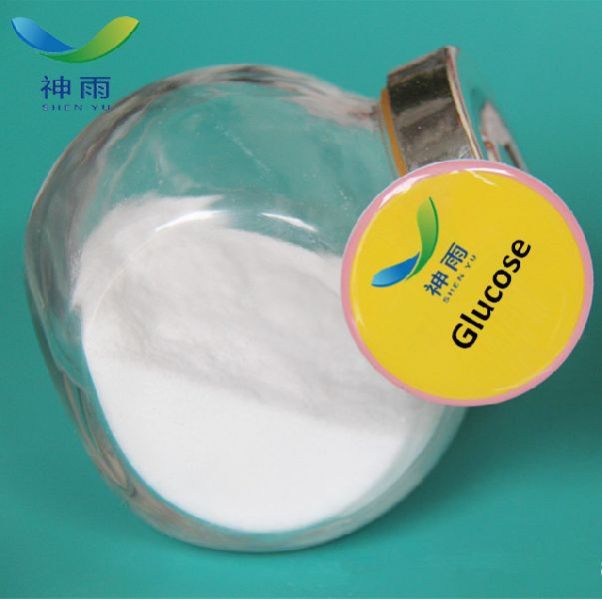
Food Grade Glucose With CAS No. 50-99-7

  • transportation shipment
Food Grade Glucose with CAS No. 50-99-7 Product Overview Glucose (chemical formula C6H12O6) is the most widely distributed and most important monosaccharide in nature, and it is a polyhydroxyaldehyde. Pure glucose is a colorless crystal, sweet but not as sweet as sucrose (usually can not taste sweet), soluble in water, slightly soluble in ethanol, insoluble in ether. The natural glucose solution rotates to the right, so it belongs to "dextrose".Glucose has an important position in the biological field and is the energy source of living cells and the intermediate product of metabolism, that is, the main energy-supplying substance of organisms. Plants produce glucose through photosynthesis. It is widely used in pharmaceutical, chemical, food, microbial fermentation and other industries. Physical Properties CAS No. : 50-99-7MF: C6H12O6MW: 180.16EINECS: 207-757-8 Melting Point: 150-152 C(lit.)Specific Rotation: 52.75 (c=10, H2O, NH4OH 25 C)Refractive Index: 53 (C=10, H2O)Storage: 2-8CSolubility: H2O: 1 M at 20 C, clear, colorlessForm: Crystalline PowderColor: WhitePH: 5.0-7.0 (25, 1M in H2O)Solubility in water: Soluble Chemical Properties Dextrose is purified, crystallized D-glucose anhydrous, or contains one molecule of crystal water. White odorless crystalline or granular powder. Sweet, sweetness is about 69% of sucrose. Soluble in water, easily soluble in boiling water, slightly soluble in ethanol. Natural products are widely present in various plant
View Complete Details

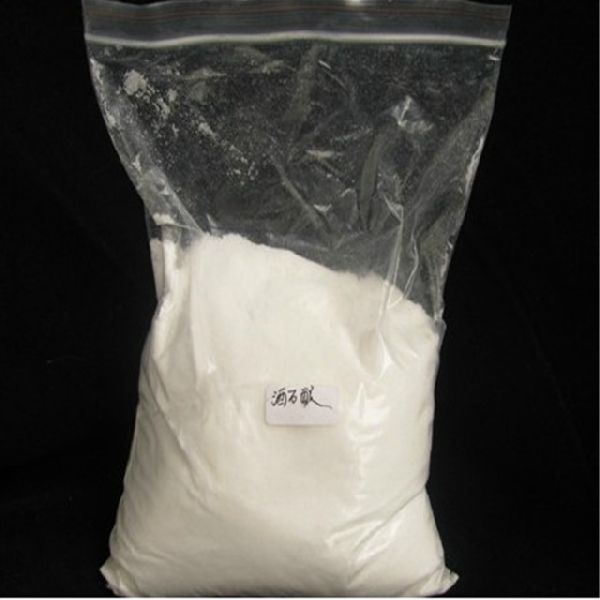
D(-)-Tartaric Acid With CAS 87-69-4

D(-)-Tartaric acid 87-69-4 Product introductionTartaric acid (tartaric acid), also known as 2, 3-dihydroxysuccinic acid, is a carboxylic acid, which is found in many plants. As an antioxidant added to the food, the magazine makes the food sour. Tartaric acid is most commonly used as a beverage additive. It's also a raw material for the pharmaceutical industry. Tartaric acid is an important additive and reducing agent in mirror making industry, which can control the forming speed of silver mirror and obtain a very uniform coating.SynonymsButanedioic acid, 2, 3-dihydroxy-;2, 3-Dihydroxysuccinic acid;2, 3-Dihydrobutanedioic acid;Physical and chemical propertiesMelting point: 171-174Density: 1.7598 (20)Refractive index: 1.4955[1]Solubility: soluble in water, acetone, ethanolExistence: the solubility of tartaric acid in water: 139 dextrorotatory tartartaric acid, 139 levorotatory tartartaric acid, 125 internal racemic tartaric acid, 20.6 external racemic tartaric acid.useUsed as anti - oxidation synergist, anticoagulant, tanning preparation, chelating agent, pharmaceutical. Widely used in medicine, food, leather, textile and other industries. Low solubility to water at low temperature, easy to produce insoluble calcium salt.Packaging and storage100 g; 1 kg; 5 kg, 10 kg, 25 kg, 50 kg.

View Complete Details

Sodium Alginate With CAS 9005-38-3

Sodium alginate cas 9005-38-3 product introduction sodium alginate is extracted from kelp of brown algae or sargasso by-products after iodine, mannitol, its molecules by beta - d - mannose hyaluronic acid (beta - d - mannuronic, m) and alpha - l - gulonic hyaluronic acid (alpha - l - guluronic, g) can be connected with the press (1-4), is a kind of natural polysaccharide, with pharmaceutical preparations auxiliary materials required for stability, solubility, viscosity, and security. Sodium alginate has been widely used in food industry and medicine. synonyms: fema 2015;algin;alginate sodium salt;alginic acid monosodium salt;alginic acid sodium salt;alginic sodium;polymannuronic acid sodium salt;sodium alginate physical and chemical properties appearance: white to light yellow granules or powders mf:c5h7o4coona einecs:905-385-3 fema2014 storage temp. store at rt. Form: powder color: white to off-white ph: 6.0-8.0 (10mg/ml in h2o) water solubility: soluble in water. Insoluble in alcohol, chloroform and ether. Sensitive: hygroscopic use it is widely used in food, pharmaceutical preparation, printing and spinning industry and medicine industry. packaging and storage 42 kg/bag.
View Complete Details

Maltodextrin With CAS 9050-36-6

Maltodextrin cas 9050-36-6 product introductionmaltodextrin is also known as water-soluble dextrin or enzymatic dextrin. Maltodextrin is a starch hydrolysis product of 5-20 de value. It is between the starch and the starch sugar, and is a low-priced nutritional polysaccharide with greasy taste and no flavour. Maltodextrin is usually a mixture of various de values.maltodextrin has the characteristics of low sweetness, no odor, easy digest, good solubility, small fermentation, good filling effect, not easy of absorption of moisture, strong thickening, good carrier, good stability, difficult to deteriorate. Maltodextrin contains a lot of polysaccharides, and also contains calcium, iron and other trace elements and minerals that are beneficial to human body, and can promote normal metabolism of human body.synonyms:maltodextrin;dextrin on sepharose;dextrin type i;dextrin type ii;dextrin type iii;dextrin type iv;dextrin (white);dextrin 10physical and chemical propertiescas: 9050-36-6mf: c12h22o11mw: 342.29648einecs: 232-940-4melting point: 240 c (dec.)(lit.)storage temp.: room tempsolubility: h2o: 0.1 g/ml hot, complete, yellow to very deep yellowform: powderuseit is widely used in beverage, frozen food, candy, cereal, dairy products, health care products and other industries. It can also be used in textile, daily chemical and pharmaceutical production.1. It has better emulsification and thickening effect to increase viscosity, enhance product dispersion and solubility.
View Complete Details
Tell Us What are you looking for? Will call you back

Contact Us