
 GST : 27BCUPP7038L1ZO
 4.5/5
4.5/5
Our Products
We offer a complete product range of Tomato Seeds, Green Cucumber Seeds, Ridge Gourd Seeds, Dolichos Seeds and White Bitter Gourd Seeds


The tomato (*Solanum lycopersicum*) is a versatile fruit (botanically speaking) that is widely utilized as a vegetable. Native to South America, it is a powerhouse of nutrients, including Vitamins A and C, potassium, and lycopene. It offers significant benefits for heart health, digestion, weight loss, and eyesight. Key Information about Tomatoes: Origin and History: Tomatoes originated in South America (specifically Peru). Nutrition: Tomatoes are rich in water (approximately 94%), Vitamin C, potassium, and lycopene—a compound known to protect against cancer and heart disease. Health Benefits: Heart Health: Potassium and lycopene help regulate blood pressure and lower cholesterol levels. Skin and Eyes: Due to the presence of Vitamin A, tomatoes are beneficial for eye health, while their antioxidants help reduce skin wrinkles. Digestion: They aid in maintaining a healthy digestive system. Culinary Uses: Tomatoes are used in soups, salads, chutneys, sauces, and in almost every Indian vegetable dish. Scientific Name: *Solanum lycopersicum*. Interesting Facts: Botanically, the tomato is classified as a fruit; however, in culinary practice, it is regarded as a vegetable. Globally, the tomato ranks as the second most important vegetable or crop after the potato. It contains citric and malic acids, which give it its characteristic tangy flavor. Tomatoes are cultivated worldwide and are available in a variety of colors—such as red, yellow, and purple—as well as in various shapes and sizes.
Additional Information:
Packaging Details : (Green Cucumber) ( ) , (Cucurbitaceae)
:
1. (Health Benefits):
: ( 95% ) ,
: , (weight management)
: , (blood pressure)
:
: K, C,
2. (Nutritional Value - 1 ):
: 2
: 11
: 0.3
3. (Cultivation):
: ()
: (pH 6-7)
: 45-60
: ,
4. (Side Effects):
: , ( , )
:
5. :
( )
: ,

Ridge Gourd is commonly known in Hindi as *Turai*, *Torai*, *Jhingi*, or *Tura*. It is a popular green vegetable belonging to the Cucurbitaceae family (the gourd family) and is easily cultivated during warm weather. It possesses a high water content and is very low in calories, making it highly beneficial for health. Key Details and Health Benefits: Nutritional Profile: Ridge gourd is rich in essential nutrients such as fiber, iron, Vitamin C, Vitamin A, Vitamin B, protein, carbohydrates, potassium, and folate. Aids in Weight Loss: Due to its low calorie count (approximately 15 calories per cup), it is an excellent vegetable for weight management. Improves Digestion: It contains a good amount of fiber and moisture, which helps maintain a healthy digestive system and provides relief from constipation. Diabetes Management: It can assist in regulating blood sugar levels, making it a beneficial choice for individuals with diabetes. Beneficial for Eye Health: Ridge gourd contains a good amount of Vitamin A, which helps improve eyesight. Skin and Immunity: The Vitamin C and antioxidants present in it boost the body's immune system and can improve skin health. Culinary Uses: Ridge gourd is consumed as a standalone vegetable dish, stuffed (*Bharwa Torai*), added to lentils (*Dal*), or prepared as a soup. A chutney made from its peels is also very delicious and nutritious. Primarily a summer vegetable, it remains readily available for a period of approximately four months. Special Note: Bitter varieties of ridge gourd are utilized for medicinal purposes, whereas the sweet or standard varieties are typically consumed as a vegetable.
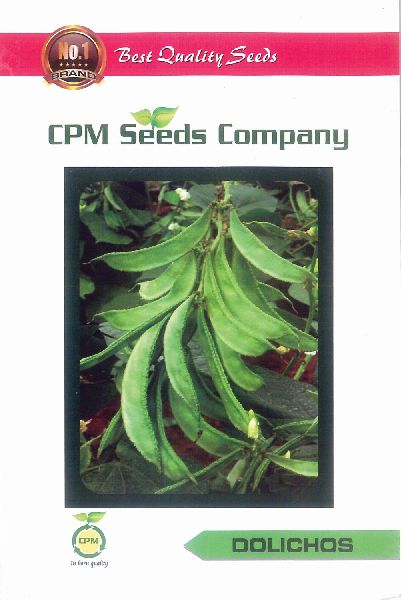
Additional Information:
Packaging Details : (Dolichos Lablab), (Hyacinth Bean) , ,
/ :
1. (Common Names):
: , , ,
: (Hyacinth Bean),
2. (Nutritional Value per 100g):
:
: 6.7
: 3.8 ( )
: 1.7
: 68.0
: 210
: 1.8
: 28%
3. (Culinary Uses):
: (, )
: (Sprouts)
:
4. (Health Benefits):
,
5. (Cultivation & Types):
(Trellis) ,
6. :
-
, ( )
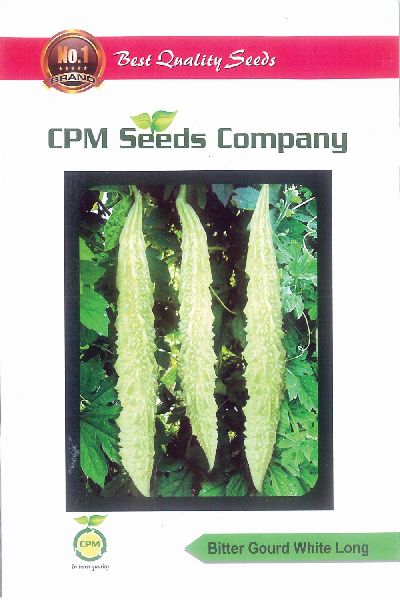
White Bitter Gourd is considered less bitter and more nutritious than the common green variety, making it extremely beneficial for patients with diabetes. It contains active compounds such as charantin and polypeptide-P, which help regulate blood sugar levels. It aids in improving digestion, purifying the blood, and boosting immunity. Key Points about White Bitter Gourd: Characteristics: It is less bitter and has a milder flavor compared to green okra or common bitter gourd, making it easier to consume. Health Benefits: Diabetes Control: It is a boon for diabetic patients as it mimics the action of insulin. Nutrition: It is rich in antioxidants and phytonutrients. Liver Health: It helps in detoxifying the liver and improving gastrointestinal health. Cultivation: White Bitter Gourd is cultivated in the same manner as the common variety, a practice currently being promoted by various Agricultural Science Centers. Usage: It can be consumed in the form of juice, a cooked vegetable dish, or a salad. Caution: It should be consumed in moderation, as excessive intake may lead to stomach pain or diarrhea. Individuals suffering from liver or kidney ailments should consult a doctor before consuming it.

Additional Information:
Packaging Details : Bottle gourd is a nutritious vine vegetable from the Cucurbitaceae family, also known as ghiya or kaddu (in some regions). It is light green in color, cylindrical or round in shape, and is high in water (about 96%), fiber, vitamin C, and potassium. It is considered good for digestion, weight management, and hydration. Key health benefits of bottle gourd: Aids digestion: High fiber improves digestion and relieves constipation. Weight loss: Due to its low calorie and high water content, it aids weight loss.

Sponge Gourd—known in Hindi as *Torai*, *Gilki*, or *Loofah*—is a nutritious vine vegetable belonging to the gourd family. It is rich in fiber, vitamins (A and C), and minerals, making it highly beneficial for digestion, weight loss, and skin health. Its mature fruit is also utilized as a natural sponge. Key Information on Sponge Gourd: Botanical Name: *Luffa aegyptiaca* / *cylindrica*. Other Names: *Torai*, *Gilki*, *Ghiura* (in Bhojpuri), *Loofah*. Cultivation Season: It is a summer and monsoon crop. Its seeds are sown during the periods of February–March and May–July. Crop Duration: The fruits become ready for harvest approximately 80–90 days after sowing. Health Benefits and Uses: Aids Digestion: Its high fiber content helps alleviate constipation and improves gut health. Weight Management: Being low in calories, it assists in weight loss. Skin and General Health: The antioxidants present in it boost immunity and can be beneficial in treating skin-related disorders. Medicinal Uses: In Ayurveda, it is referred to as *Dhamargava* and is considered helpful in balancing *Kapha* and *Pitta* doshas. Multipurpose Utility: The tender fruits are cooked as a vegetable, while the fully mature, dried fruits are used as bath sponges (loofahs). Cultivation Tips: Soil: Well-drained loamy soil is ideal for its cultivation. Climate: It thrives in warm and humid weather conditions. Care: The vines require support (such as a trellis or scaffolding) to spread and grow.
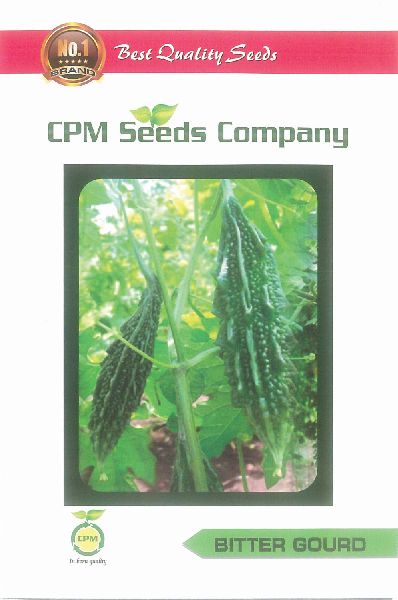
Bitter Gourd (Green Bitter Gourd) is a highly nutritious green vegetable rich in medicinal properties, known for its bitter taste. Its scientific name is *Momordica charantia*, and it belongs to the Cucurbitaceae family. Key Information about Bitter Gourd: Origin: It is believed that the bitter gourd originated in India. Taste and Nature: It is bitter in taste, yet it provides a cooling effect and nourishment to the body. Nutritional Content: Bitter gourd is abundantly rich in essential nutrients and antioxidants such as fiber, Vitamin C, iron, potassium, magnesium, and zinc. Uses: Dishes prepared from it—such as curries, stuffed bitter gourd (*Bharwa*), juices, and chips—are quite popular. Health Benefits: Diabetes Control: In Ayurvedic medicine, bitter gourd is considered an excellent natural remedy for controlling blood sugar levels. Improved Digestion: The fiber present in it strengthens the digestive system and helps provide relief from constipation. Boosting Immunity: Being rich in Vitamin C and antioxidants, it boosts immunity and offers relief from coughs and colds. Liver and Blood Detoxification: It keeps the liver healthy and aids in purifying the blood. Weight Loss: As a low-calorie vegetable, it is an excellent option for weight loss. Skin Health: Consuming it provides relief from skin allergies and other skin-related issues. Precautions and Side Effects: Excessive Juice Consumption: Drinking an excessive amount of bitter gourd juice may lead to liver inflammation or stomach upset. Who Should Avoid It: Pregnant women should consume it in moderation, as it may pose a risk of miscarriage. Individuals with liver or kidney conditions should also consult a doctor before consuming it. Tips to Reduce Bitterness: Before cooking, soak the sliced bitter gourd in salted water for 15–20 minutes, or simply rub salt over them and let them sit. Afterward, rinsing them thoroughly before cooking significantly reduces the bitterness.
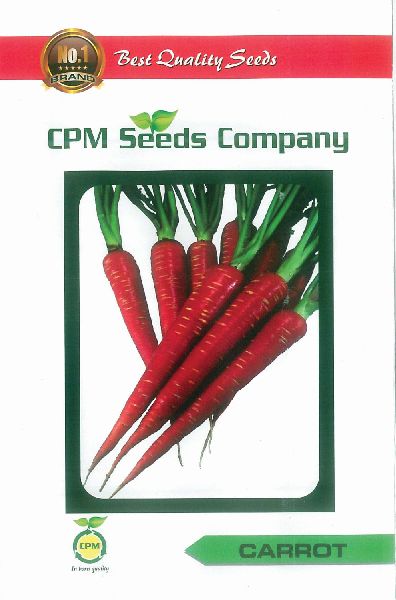
(Daucus carota) , , , (-), , , ,
:
: - ,
: ( 41-42 100 ), ,
,
:
() :
: ( ), , ,
: (, ) ,
, -
Additional Information:
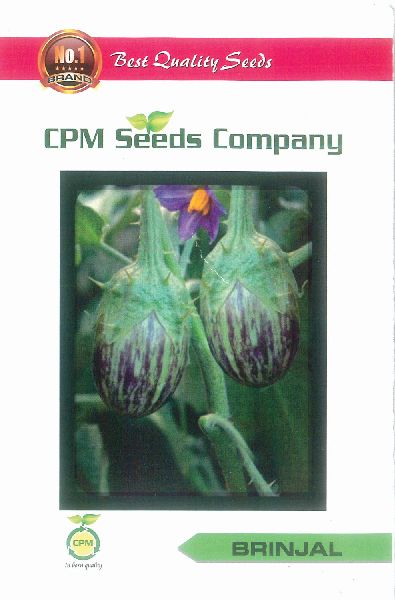
Packaging Details : (Brinjal/Eggplant) , (Solanaceae) () , , , C, , ,
(Key Information):
: (Solanum melongena)
: (berry) ,
: 85%
: , , ,
(Health Benefits):
: ,
:
,
: ,
(Farming Details):
: 5.5-6.6 pH
: -, -
: 8-10 5-6
: (fruit borer)
(Uses):
, , , ( )

Good quality product
Additional Information:
Payment Terms :
Delivery Time : 8 - 10 days of order
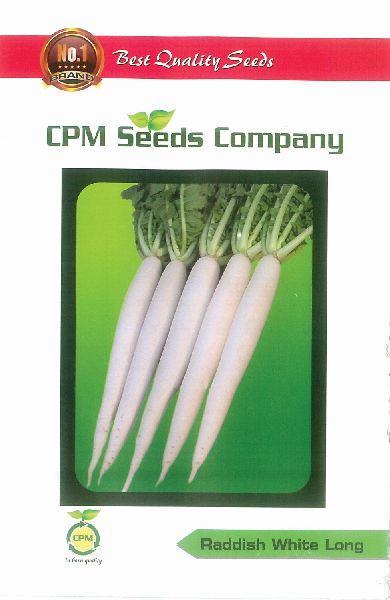
The radish is a nutritious root vegetable comprising approximately 95% water, along with Vitamin C, fiber, and antioxidants. It aids in improving digestion, maintaining liver health, boosting immunity, and regulating blood pressure. It is consumed raw in salads, or prepared as *parathas* or cooked vegetable dishes. It is primarily a winter crop. Key facts about radishes: Scientific Name: *Raphanus sativus*. Nutrition: It is rich in Vitamin C, fiber, potassium, and antioxidants—nutrients that are highly beneficial for the body. Health Benefits: Improved Digestion: Due to its high fiber and water content, it helps alleviate constipation and maintains the health of the digestive system. Liver and Gallbladder: It assists in detoxifying the liver and regulating bilirubin levels. Immunity and Skin: Thanks to the presence of Vitamin C, it boosts the immune system, while its antioxidants help maintain healthy skin. Diabetes and Blood Pressure: It can be helpful in regulating blood sugar levels and managing high blood pressure. Usage: Both the root and the leaves of the radish plant are edible. It can be consumed in salads, soups, or *parathas*. Major Varieties (in India): Pusa Chetki, Pusa Himani, and Punjab Safed Mooli-2. Cultivation: It is a short-duration crop (maturing in 45–60 days) that is primarily cultivated during the cold season. Caution: Individuals suffering from thyroid disorders should consume radishes in limited quantities.


The radish is a nutritious root vegetable comprising approximately 95% water, along with Vitamin C, fiber, and antioxidants. It aids in improving digestion, maintaining liver health, boosting immunity, and regulating blood pressure. It is consumed raw in salads, or prepared as *parathas* or cooked vegetable dishes. It is primarily a winter crop. Key facts about radishes: Scientific Name: *Raphanus sativus*. Nutrition: It is rich in Vitamin C, fiber, potassium, and antioxidants—nutrients that are highly beneficial for the body. Health Benefits: Improved Digestion: Due to its high fiber and water content, it helps alleviate constipation and maintains the health of the digestive system. Liver and Gallbladder: It assists in detoxifying the liver and regulating bilirubin levels. Immunity and Skin: Thanks to the presence of Vitamin C, it boosts the immune system, while its antioxidants help maintain healthy skin. Diabetes and Blood Pressure: It can be helpful in regulating blood sugar levels and managing high blood pressure. Usage: Both the root and the leaves of the radish plant are edible. It can be consumed in salads, soups, or *parathas*. Major Varieties (in India): Pusa Chetki, Pusa Himani, and Punjab Safed Mooli-2. Cultivation: It is a short-duration crop (maturing in 45–60 days) that is primarily cultivated during the cold season. Caution: Individuals suffering from thyroid disorders should consume radishes in limited quantities.

The chili pepper is a major spice crop belonging to the Solanaceae family and the *Capsicum* genus. Its pungency is attributed to a compound called capsaicin. It aids digestion and is rich in Vitamin C; however, excessive consumption can cause stomach irritation. In India, it is widely utilized in both its green (fresh) and red (dried) forms. Key Information about Chilies: Botany: Botanically, the chili pepper is classified as a 'berry.' Types/Varieties: Prominent Indian varieties include Byadgi (mildly pungent), Guntur, Jwala, Sannam, and Bhut Jolokia (extremely pungent). Plant Structure: It is an annual or perennial shrub-like plant characterized by solitary flowers and fruits that typically hang downwards. Uses: It is used to add pungency to food, as well as in chutneys, pickles, sauces, and spice blends. Cultivation: Light, fertile, and well-drained soil (with a pH of 6–7) is ideal for chili cultivation. It can be grown year-round in subtropical climates. Health Benefits: Aids Digestion: It stimulates digestive enzymes. Nutrients: Red chilies contain significant amounts of Vitamins A, C, and K. Pain Relief: Capsaicin is also utilized in pain-relieving medications. Precautions: Excessive Consumption: Consuming chilies in very large quantities may lead to stomach irritation and acidity issues. Allergies: Some individuals may be allergic to chilies; therefore, caution should be exercised.
 Mr. Gajanan Pawar (CPM Seeds Company)
 Shop No. F-1, New Market Yard Ring Road, New Mondha, Jalna, Maharashtra - 431203
 https://www.cpmseedscompany.co.in
 Share us via