 GST : 24ACNPC1767D1ZW
 4.4/5
4.4/5
Our Product / Services
We are leaders in the market for providing best range of Spiral Heat Exchanger, Fully Welded Plate Heat Exchanger, Graphite Cubicle Block Type Heat Exchanger, Energy Plant and Inter Cooler
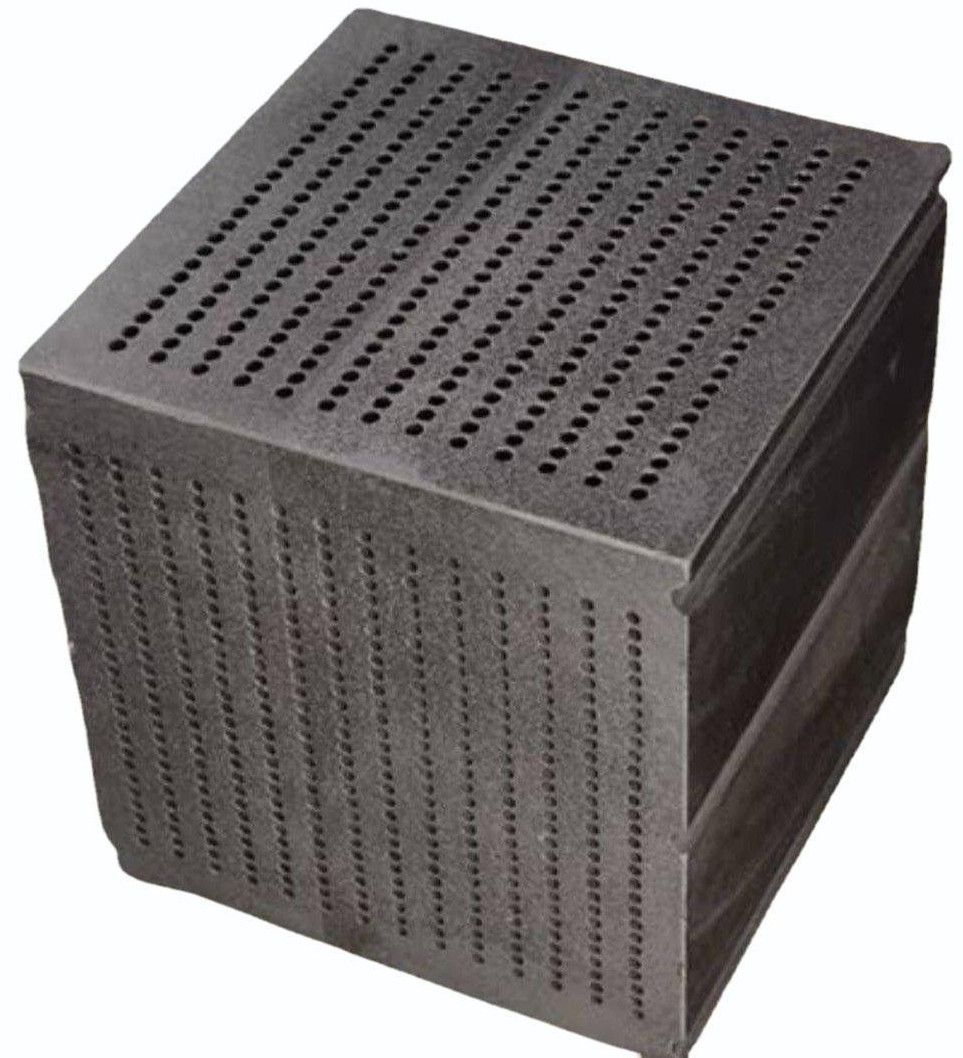
Graphite Cubicle Block Type Heat Exchangers are specially engineered for handling highly corrosive chemicals, high temperatures, and demanding industrial conditions. These exchangers offer excellent thermal conductivity, superior corrosion resistance, and long service lifemaking them ideal for chemical, petrochemical, pharmaceutical, and acid processing industries.
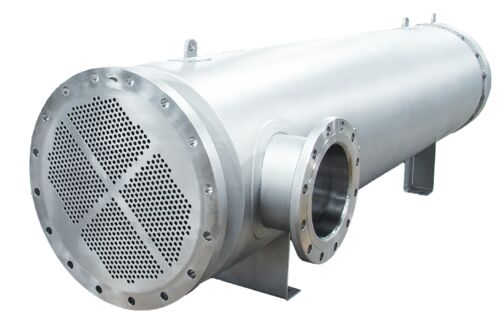
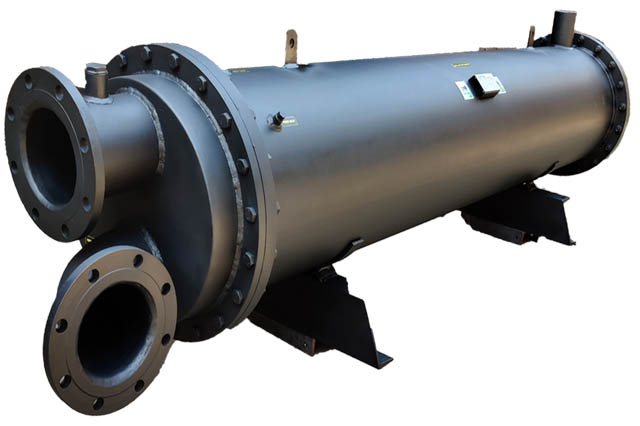
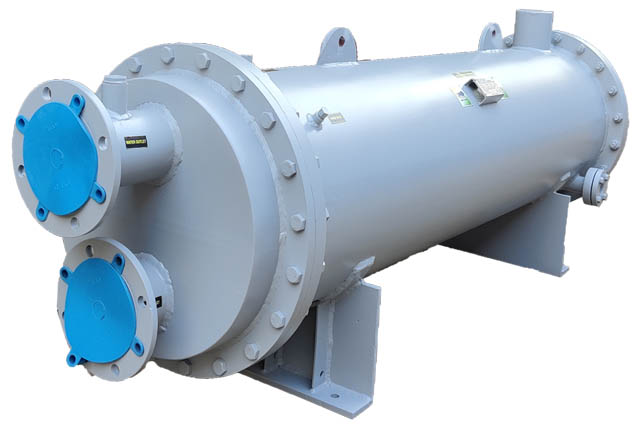
GRAPHITE SHELL & TUBE HEAT EXCHANGER
Designed with precision, these units ensure efficient heat transfer while withstanding aggressive media such as HCl, HSO, HNO, Phosphoric Acid, Bromine Compounds, and solvents.
Key Features
Excellent corrosion resistance
High thermal conductivity
Strong mechanical strength
Low maintenance and long operational life
Capable of handling strong acids and corrosive media
Safe & leak-proof cubicle block construction
Customizable surface area and design
High heat transfer efficiency
Applications
Chemical Processing
Petrochemical Plants
Acid Concentration & Dilution
Chlor-Alkali Industry
Pharmaceutical Sector
Pickling Plants
Fertilizer Industry
Bromine & Halogen-based processes
Additional Information:
Payment Terms : T/T,
Packaging Details : WOODEN
Delivery Time : 6-8 Weeks
Fundamental Working and Purpose of Heat Exchanger
The heat exchanger is a system that helps transfer the heat into two or more fluids. Heat exchangers have their applications in both the heating and cooling processes. The fluids in the heat exchangers are kept separate with a solid wall in between them. One fluid's heat passes across the metal used to keep both of the fluids separate, and the heated metal then increases the other fluid's temperature. High turbulence, high fluid velocity, significant temperature differential, and high surface area; all these factors immensely contribute to efficient heat transfer. However, different designs can get tested for even better heat transfer, which prompted us to build Box Type Heat transfer that offers an improved heat transfer compared to the shell and tube type heat exchanger.
The manufacturing of Box Type Heat Exchanger includes state-of-the-art technology and compliance to international standards for manufacturing equipment. Experts check the heat exchanger's entire range on numerous parameters before dispatching it for the market's sales or sending it to the customer.
Here are some of its technical features:
Vapor loss ranges from 0.05% to 2% as per product
The flow rate remains 30% to 50%, depending on cooling media
Difference in temperatures T ranges from 2° C- 4° C as per product
The product's standard features include resistance against corrosion, surface finishing, and durability. To better understand this heat exchanger's versatility, let us compare it with other conventional heat exchangers.
Graphite Plate & Frame heat exchangers are designed to cool down or heat up ultra-corrosive chemicals. Safety, reliability, and performance in the long-term are our primary considerations when we size, design and manufacture our impervious graphite plate heat exchangers.
Key benefits:
Efficiency
2 to 3 times higher efficiency:
These units deliver 23 times greater efficiency compared to conventional heat exchangers, allowing for a much more compact design. The high internal turbulence significantly increases the film heat transfer coefficient, resulting in superior thermal performance.
Corrosion Resistance
Exceptional resistance to aggressive acids:
Our range of impervious graphite plate heat exchangers offers highly customized solutions for ultra-corrosive heat transfer applications. They provide excellent corrosion resistance to strong acids including HCl, HF, HSO, and HBr.
However, they exhibit limited resistance to oxidizing agents such as Cl and high-concentration HSO (above 65%), as well as caustic solutions like KOH and NaOH.
Modular Design
Ultra-compact and fully customizable:
Every impervious graphite plate heat exchanger is designed with a modular architecture, enabling precise adaptation to specific process requirements.
The number and dimensions of plates, along with process and service-side flow passes, can be customized to achieve optimal velocities, pressure drops, and heat transfer efficiency.
All graphite plates are precision-machined after impregnation, ensuring a perfectly smooth heat transfer surface and delivering excellent corrosion resistance along with long-term operational reliability.
Design:
Modular design: number of plates, size of plates and number of passes can be adjusted
Different plate sizes: GP 25 and GP 40
PTFE lined steel nozzles
Thermal expansion compensation ensured by helicoidal springs
MOC:
The material used for these heat exchangers is the same as that for block heat exchangers, with a high thermal conductivity of approximately 130 W/m.K.
GAB GPX 1, GPX 1T , or GPX 2 plates
Pressure plates and flanges: PTFE carbon steel
Tie rods, nuts, bolts, washers, springs: stainless steel
PTFE gaskets between the plates
Features:
Design pressure: up to 6 bars in standard
Design temperature: -30C to +200C (-22F to 392F)
Heat transfer area: up to 29m
Nozzle sizes: DN80 / DN100 PN16
Design:according to European PED, ASME code on request
Additional Information:
Payment Terms : T/T,
Packaging Details : Carton Box
Wooden Box
Metal Sheet Box
Delivery Time : 3-4 Weeks
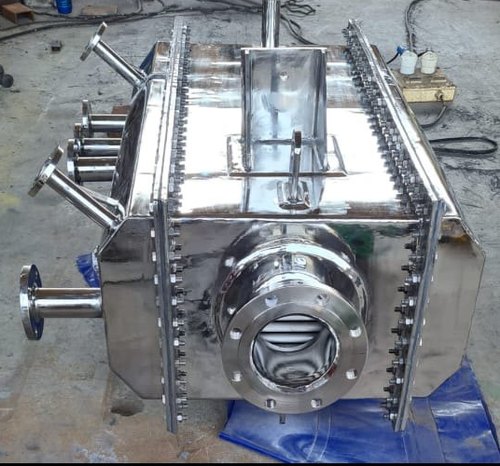
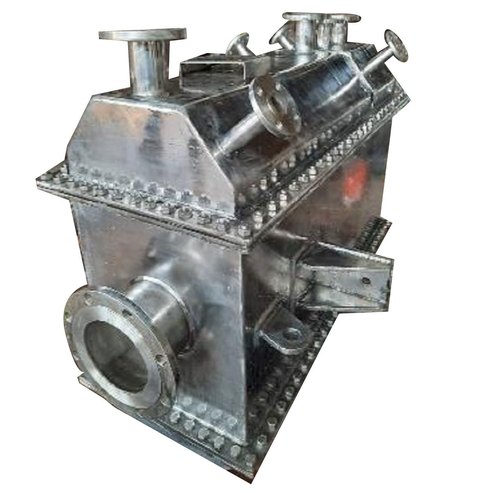
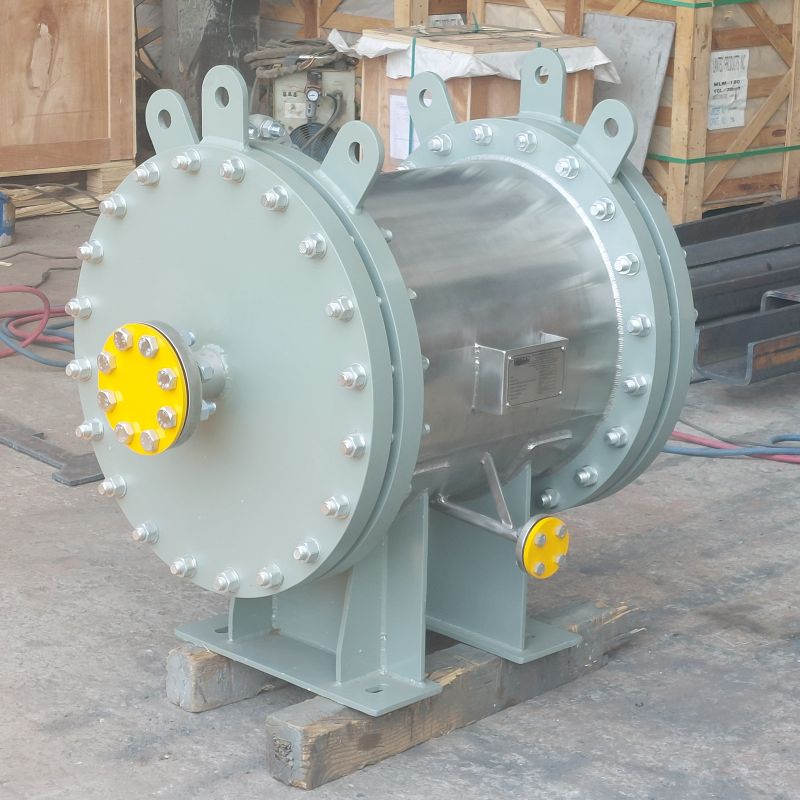
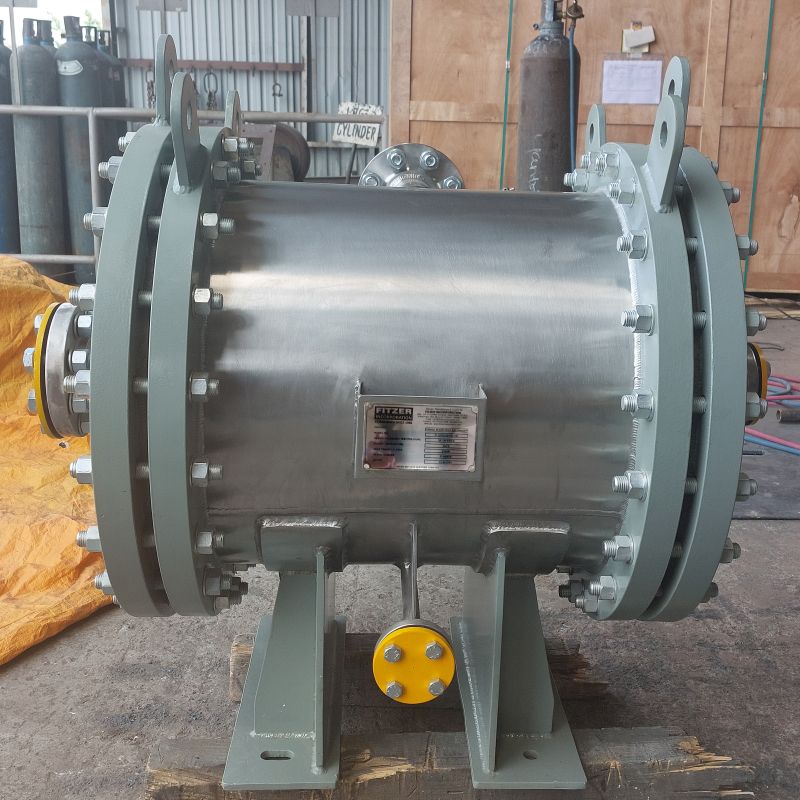
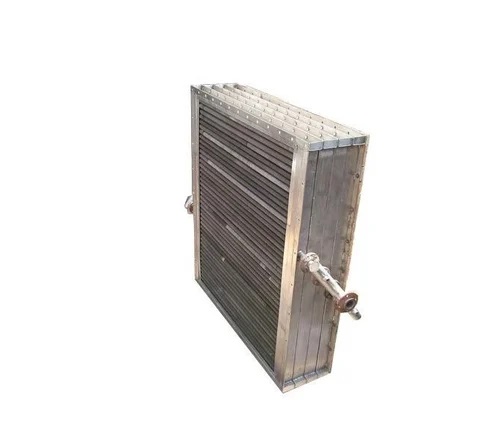
Bloc Type Welded Plate Heat Exchanger is made up of plate pack and frame. The plate pack is formed by welding a certain number of plates, then it is installed into a frame, which is configured by four corner girders, top and bottom plates and four side covers.
Welded Block Plate Heat Exchangers deliver high heat-transfer efficiency in a compact footprint, ideal for high pressure / high temperature and aggressive media where gasketed plate exchangers are not suitable.
We manufacture and supply Welded Block Plate Heat Exchangers designed for demanding process duties in chemical, petrochemical, refinery, and power applications. The plate pack is fully welded (gasket-free), enabling safe operation with high pressures, high temperatures, and corrosive fluids. Its compact design reduces space requirement and improves thermal performance compared to conventional shell & tube in many duties.
Key Benefits
Gasket-free welded construction (low leakage risk)
Handles higher pressure/temperature than gasketed PHE
High turbulence → high heat transfer coefficient
Compact, low hold-up, faster response
Suitable for fouling / aggressive services (design dependent)
Specification:
Material: SS304 / SS316 / SS316L / Duplex / Titanium / Hastelloy (as required)
Shape: Rectangular Block / Skid Mounted Assembly (as applicable)
Capacity: As per duty (Heat Load) / Flow rate (custom)
Temperature Range: -20°C to 350°C (typical; as per design)
Brand Name: FITZER
Condition: New
Voltage: Not Applicable (Heat Exchanger)
Type: Welded Block Plate Heat Exchanger
Construction: Fully welded plate block (no gaskets in plate pack)
Flow Arrangement: Counter-current / Parallel / Multi-pass (as required)
Design Pressure: Up to 45 bar (custom)
Test Pressure: 60 bar
Design Temperature: Up to 150 to 450 °C (custom)
Heat Transfer Area: 4 to 865 m² (as per duty)
Connections: Flanged / ANSI / DIN / BS (as required)
Media: Water, oil, chemicals, solvents, refrigerants (compatibility as per MOC)
Mounting: Floor / Skid mounted, lifting lugs provided
Testing: Hydro test, pneumatic/leak test as per standards
Standards: As per customer specification / applicable codes
Industries: Chemical, Petrochemical, Refinery, Power, Pharma, Food (as suitable)
Advantages: Compact, high efficiency, low maintenance, leak-safe design
Optional: Insulation, vent & drain, instrumentation nozzles, bypass line, skid piping
welded block plate heat exchanger, welded plate heat exchanger, block type heat exchanger, gasket free plate exchanger, compact heat exchanger, high pressure heat exchanger, chemical heat exchanger, heat recovery exchanger
Additional Information:
Payment Terms : T/T,
Packaging Details : WEEODEN
Delivery Time : 6-8 Weeks
Additional Information:
Payment Terms : T/T
Packaging Details : WOODEN
Delivery Time : 3-4 Weeks
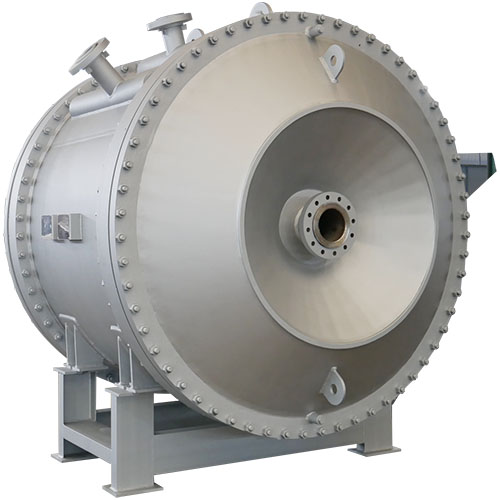
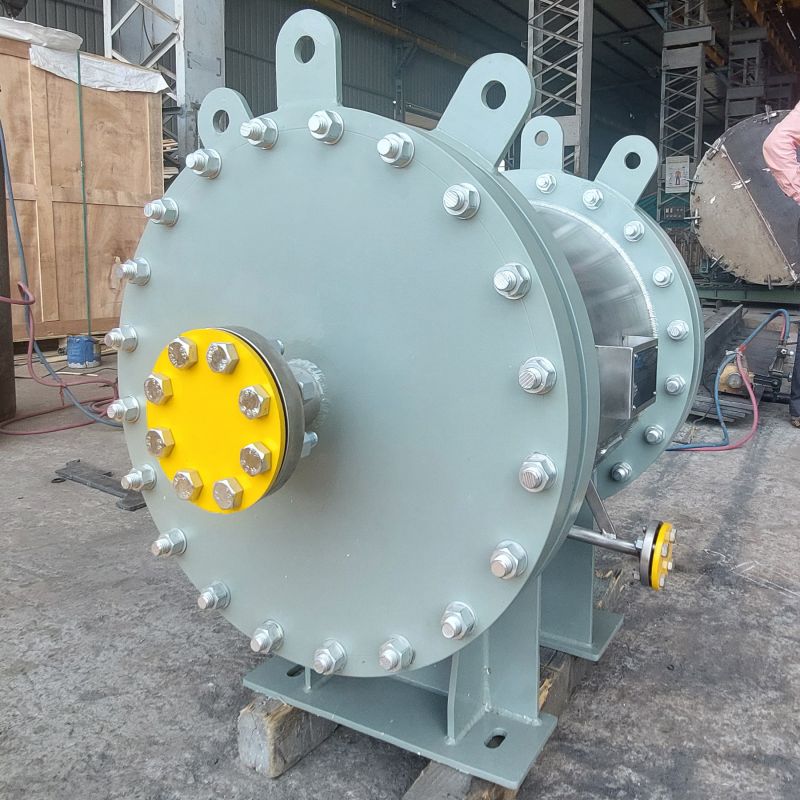
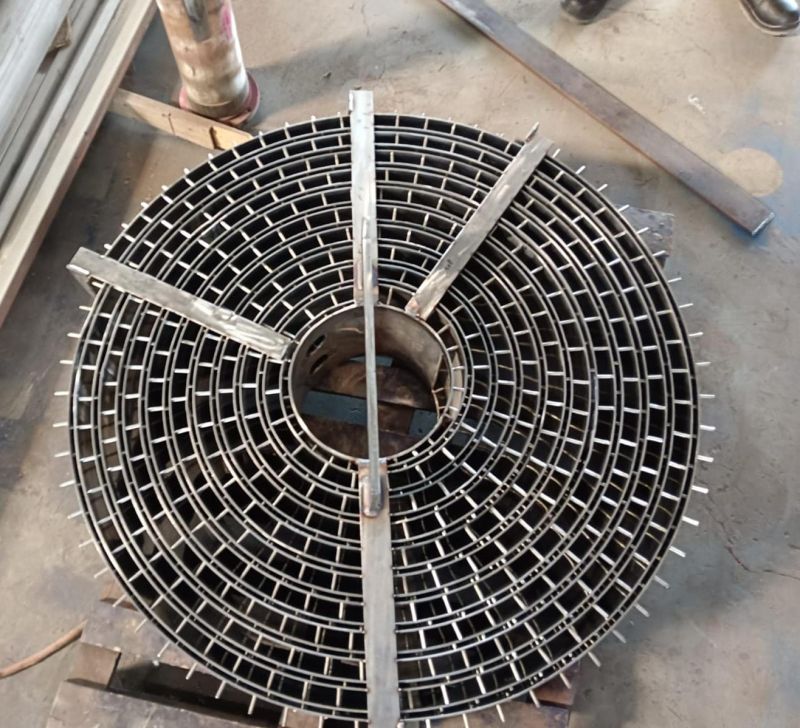
The spiral plate heat exchanger is made by rolling two long metal plates around a center core to form two concentric spiral flow passages, one for each fluid. The plate edges are welded shut so that each fluid stays within its own passage and there is no flow bypassing or intermixing. Channel plate width and spacing (gap between plates) are optimized for the specified duty, maximum heat transfer, and ease of access. The plate gap is maintained by welded spacer studs although some designs do not require them.
Due to its inherent circular design and large surface area to volume ratio, the spiral heat exchanger offers unique advantages over other types of heat exchangers like the shell and tube.
Single and long curving flow passages with a uniform rectangular cross-section ensure superior flow distribution, intense turbulence, and high heat transfer coefficients (50-100% greater than shell & tubes).
Self-Cleaning PassagesThe spiral's single-flow passages induce high shear rates that scrub away deposits as they form. This self-cleaning effect reduces fouling and makes spiral heat exchangers ideal for handling tough fluids such as process slurries, sludge, and media with suspended solids or fibers.
Countercurrent or Co-currentSpiral heat exchangers normally operate in true countercurrent flow for close approaches and temperature crosses. Occasionally a co-current flow design has major benefits, especially in cooling or heating fluids prone to gelation, burn-on, freezing or similar skin temperature related fouling.
Small Footprint & Easy AccessThe spiral heat exchanger is compact and requires minimal space for installation and servicing. Removable covers provide easy access to interior heat transfer surfaces for field inspections, routine maintenance, or manual cleaning if required.
Additional Information:
Payment Terms : T/T
Packaging Details : WOODEN
Delivery Time : 3-4 Weeks
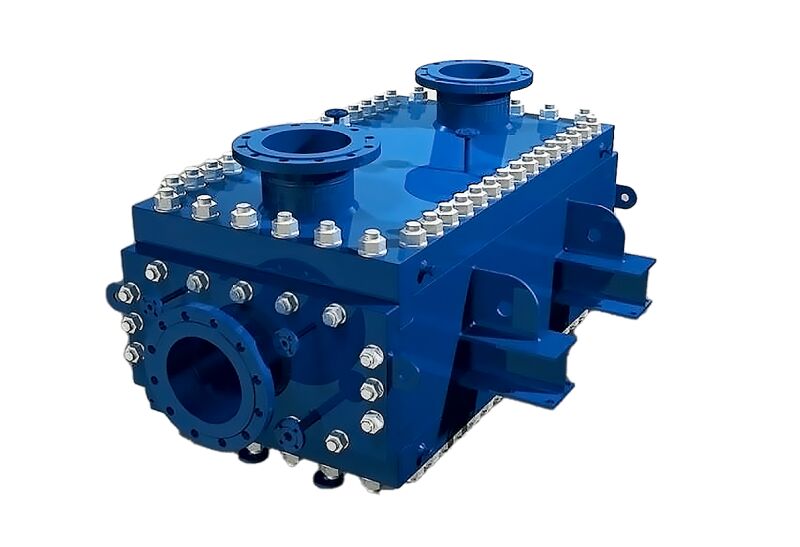
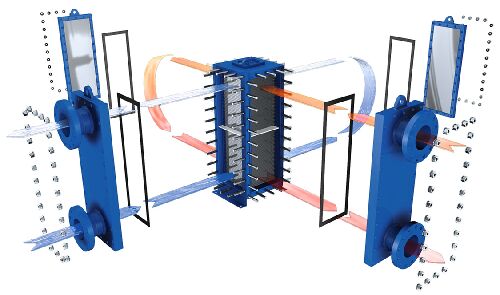
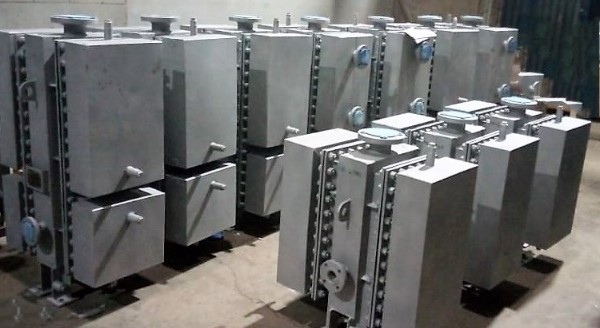
The heat exchange plate of the fully welded plate heat exchanger is made of special stainless steel and pressed with a special mold. The surface is smooth and not easy to scale. Its unique corrugated design enables the fluid to generate turbulent flow even at low flow rates, and has high heat transfer efficiency. No non-metallic sealing material is used, so it has high temperature and pressure resistance. It can be used for extreme working conditions with a working temperature of 300C and a pressure of 3.0Mpa. The advantage is that it has a corrugated plate structure similar to the plate heat exchanger. At the same time, it adopts a more advanced all-welding process to seal, no gasket design, and a variety of metal and alloy materials to choose from, ensuring the applicable temperature of the all-welded plate heat exchanger. Almost all heat exchange process occasions from -195 to 538 and working pressure from vacuum to 8.2MPa. And it has the characteristics of compact structure, efficient heat transfer and flexible use.
Additional Information:
Payment Terms : T/T,
Packaging Details : WOODEN PALLETS
Delivery Time : 3-4 Weeks
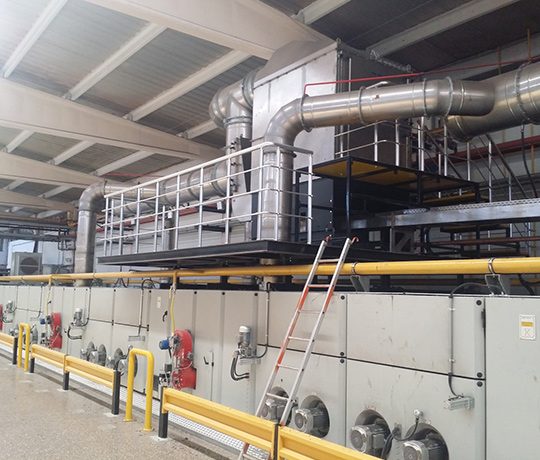
The Monforts / MonfongStenter Machine Heat Recovery Moduleis an advanced energy-saving system designed for textile finishing stenter machines. The system captures high-temperature exhaust air from the stenter and transfers this heat to the incoming fresh air using an air-to-air heat exchanger, significantly reducing fuel consumption and operational costs.
By utilizing waste heat from the drying and heat-setting process, the module can preheat up to 60% of the incoming air, improving thermal efficiency and reducing energy usage in textile processing plants.
This heat recovery system is ideal for textile processing houses, dyeing units, and finishing plantslooking to reduce energy costs and improve sustainability.
Key FeaturesEnergy saving up to 1035%in stenter operation.
Recovers heat from exhaust air of stenter chambers.
Air-to-air heat exchanger design.
Improves overall thermal efficiencyof the stenter machine.
Compatible with Monforts and other stenter machines.
Compact and easy installation.
Low maintenance design.
Environment-friendly operation.
| Product Name | Stenter Heat Recovery Module |
| Application | Textile Stenter Machine |
| Type | Air-to-Air Heat Exchanger |
| Function | Waste Heat Recovery |
| Material | Aluminum / SS / MS (customizable) |
| Mounting | Roof / Exhaust Duct Mounted |
| Energy Saving | Up to 35% |
| Industry | Textile Processing |
| Installation | Stenter Exhaust System |
Textile Dyeing Units
Fabric Finishing Plants
Knitted Fabric Processing
Woven Fabric Processing
Textile Heat Setting Lines
Reduces fuel consumption
Lowers production cost
Improves process efficiency
Supports sustainable textile manufacturing
Add these in tags or description:
Stenter Heat Recovery System
Textile Stenter Energy Saver
Stenter Waste Heat Recovery
Monforts Stenter Accessories
Textile Heat Exchanger
Stenter Energy Saving Device
Additional Information:
Payment Terms : T/T,
Packaging Details : Wooden & Corrugated
Delivery Time : 3-4 Weeks
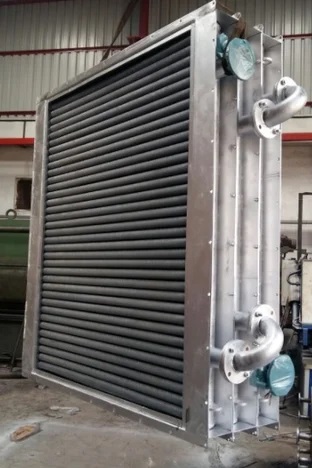
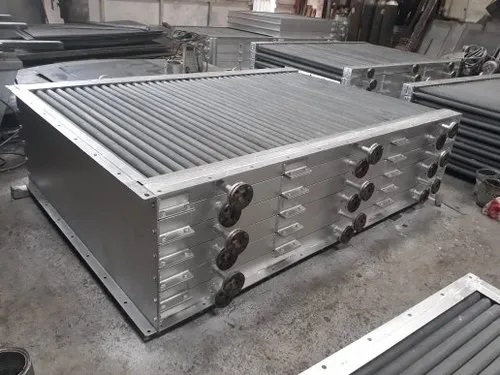
We are prominent manufacturers & suppliers of Rice mill Heat Exchangers from India. We are appreciated in the worldwide market and are offered at the competitive prices. We are able to maintain the trust and allegiance of our clients by constantly supplying products at par with international quality standards.
Product Details:
Application Food Process Industry, Power Generation, Hydraulic and Industrial Process, Mining & Construction Industry, Pharmaceutical industry
Medium Used Oil, Water, Air
Inlet Temperature as per requirement
Type Air-Cooled
Outlet Temperature as per requirement
Flow Rate (L/min) as per requirement
Maximum Working Pressure (in PSI) 300 psi
Rice Mil
Furthermore, the range is used in the following:
Heat Recovery project.
Paper manufacture industries.
Printing industries.
Wet processing machinery for textile industries.
Plywood industries.
Food processing Industries.
Chemical & fertilizer industries.
Additional Information:
Payment Terms : T/T,
Packaging Details : WOODEN
Delivery Time : 3-4 Weeks
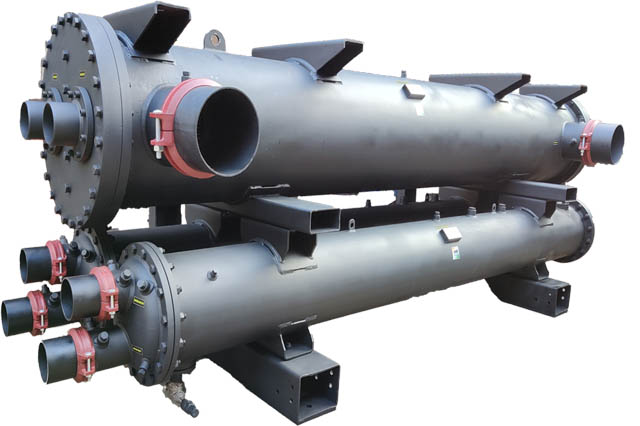
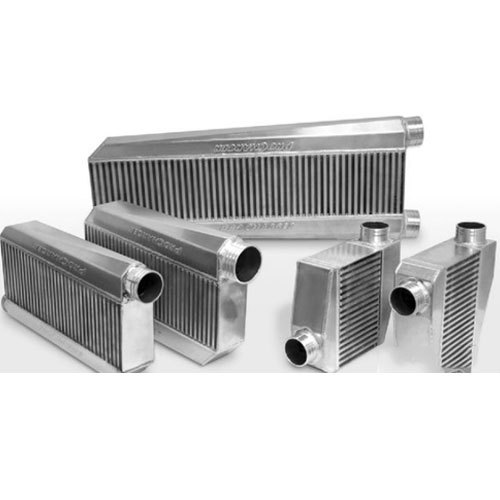
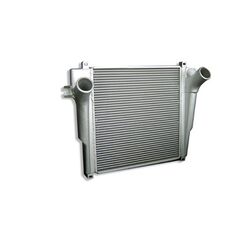
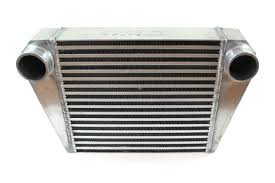
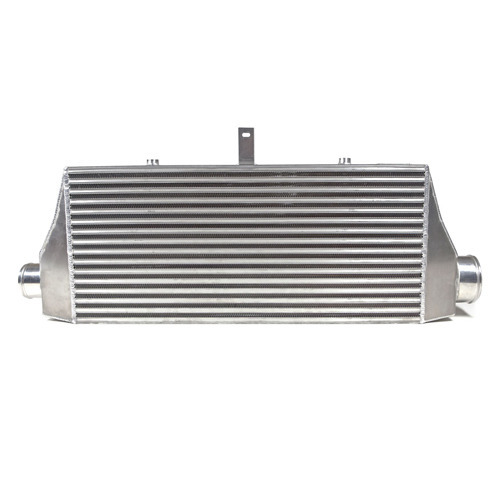
Inter cooler: Most industrial compressors operating today are a multistage design. To optimize the cost of compressing gases it is popular to use multi-stage industrial compressor. When the Air compressor compresses air, heat is generated this causes the air to expand requiring an increase of horsepower for further air compression. If we remove the heat generated by compressing air, the total horsepower required for addition air compression is reduced up to 15%. For a multi stage compressor is to cool the gas between compression stages. Thus the role of the compressor intercooler is to provide colder, dryer, denser air to the next stage of compression. In addition to inter stage coolers, the compressor's final discharge is usually routed through an after cooler, which also provides colder and dryer gas to the end use point. We provide Intercooler to suit compressor mounting by maintaining critical nozzle distance, as well as side mountings with volume bottles to avoid pulsation. EFFICIENCY Moisture Separator are largely used for the separation of coarse mist (or spray) from gases and vapors. A limit drop size (Dp) is used to characterize them and it is defined as the smallest particle which can be removed to an extent of 99%. PRESSURE DROP Due to the large percentage of the cross section available for gas flow, the pressure drop in a vast majority of applications is less than 250-500 mm WC. As mentioned above, for high efficiency applications, a larger pressure drop is to be expected..
| Thermal Calculation are done on the based on suction condition
|
|
|
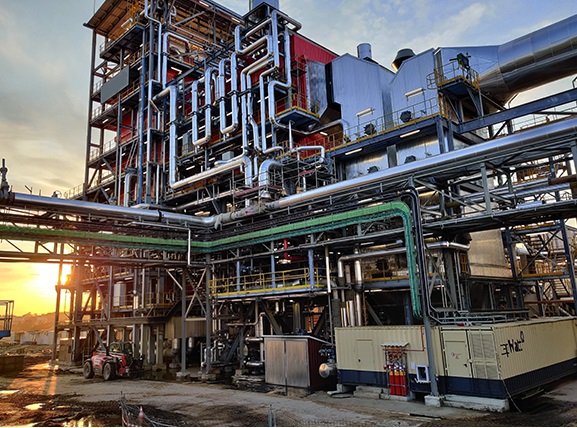
Energy Plant is a unique solution from Thermax which offers multiple heating media such as Steam, thermal oil and Hot gas through highly efficient system with thermal efficiency more than 94%.
This system helps to minimize cost and maximize the operating efficiency. We have capability of supplying Energy Plant up to 97 MW.”
 Mr. Siddhi Chavan (Fitzer Incorporation)
 S/F-16, Omkar Complex, Valia Chokdi, Ankleshwar Gidc, Gujarat - 393002, India
 https://www.fitzerincorporation.in
 Share us via