-
Condition
Used
-
Automatic Grade
Automatic
-
Power Source
Electrical
-
Material
Mild Steel
-
Driven Type
Belt Drive
-
Voltage (Volt)
440
-
Frequency (Hertz)
5
-
Airflow (M3/h)
10000
-
Dust Removal Efficiency
95 %
-
Air Capacity (Meter/Second)
18 m per sec
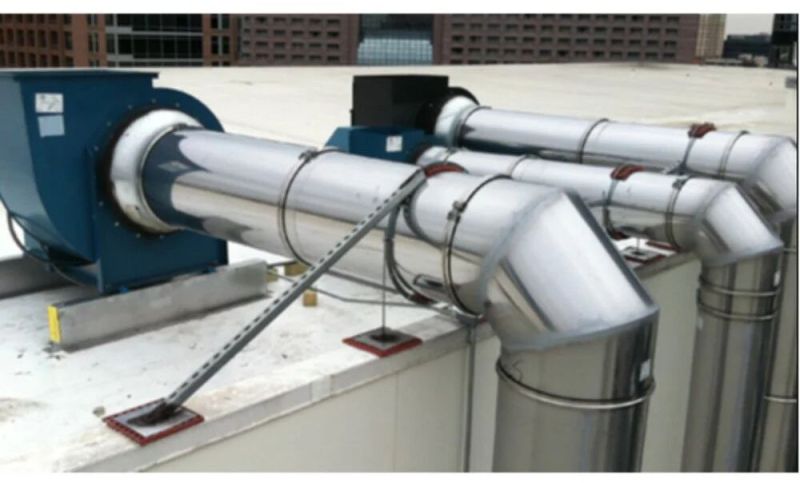
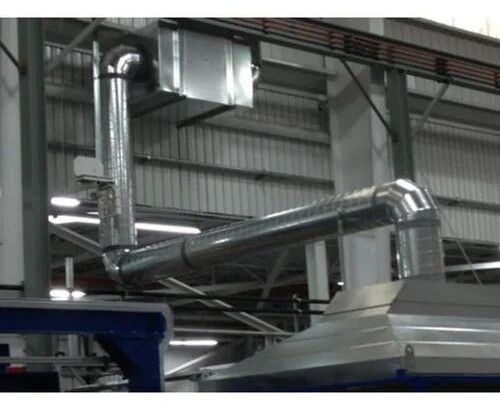
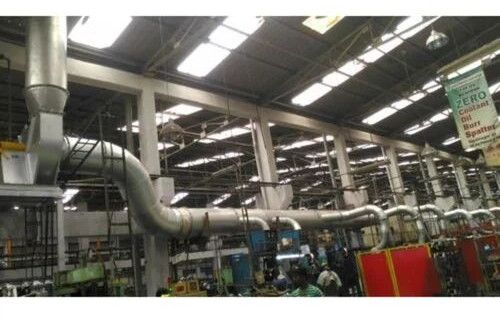
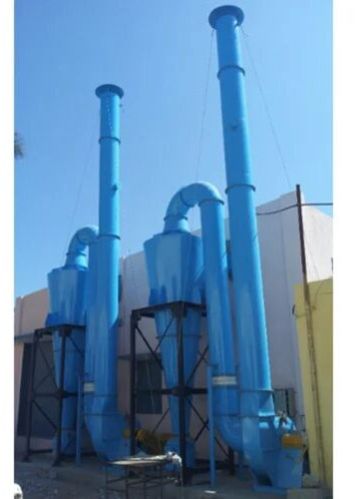
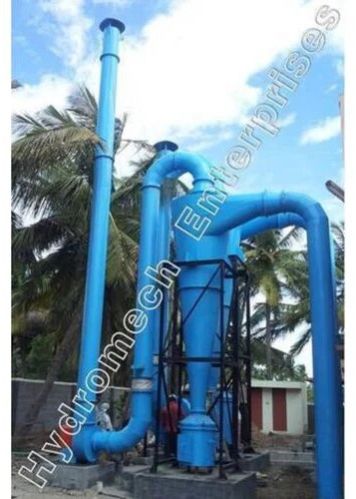
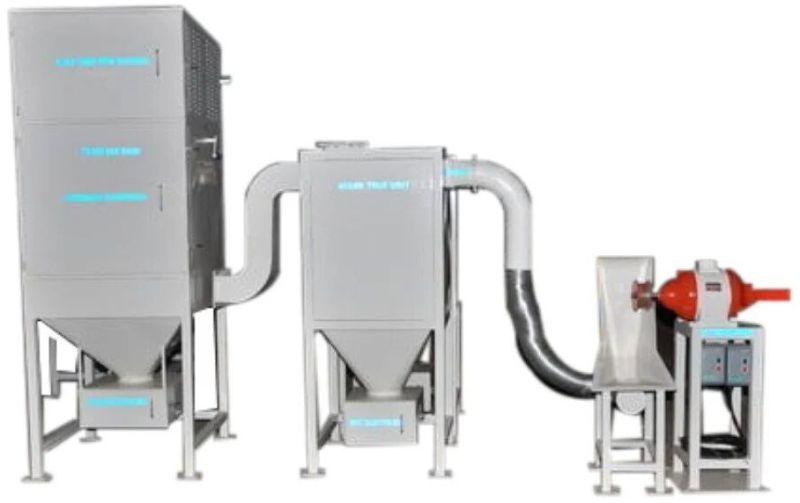
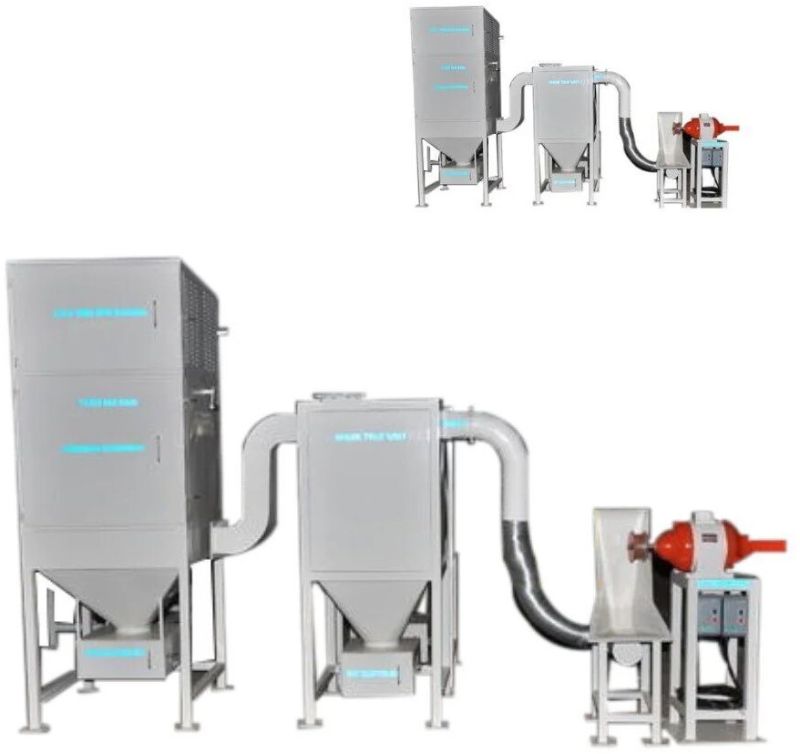
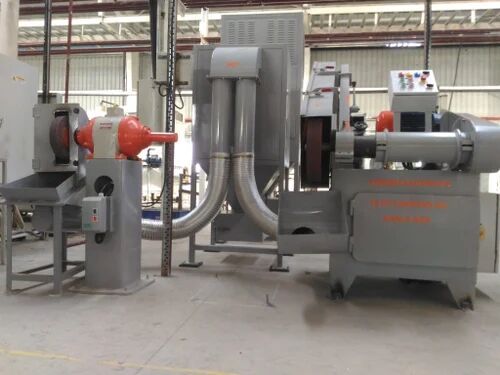
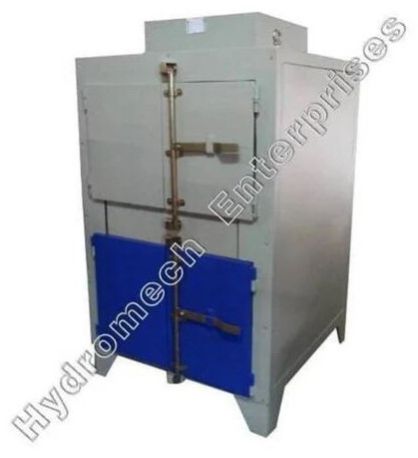
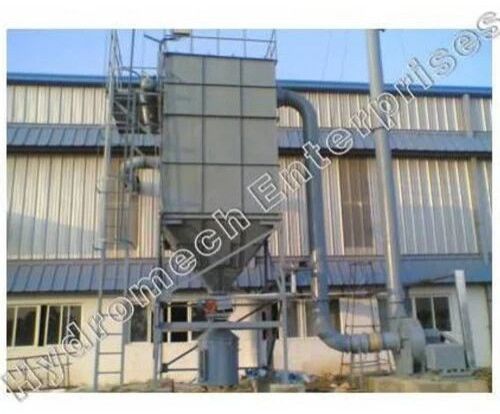
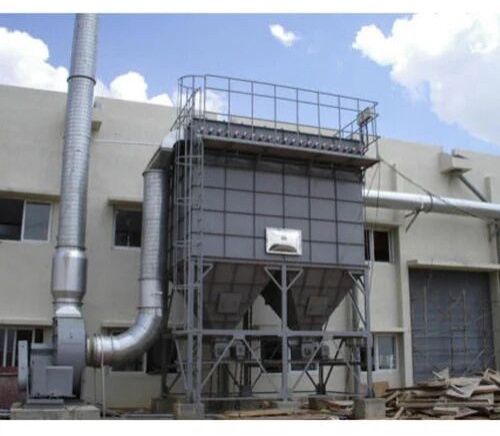
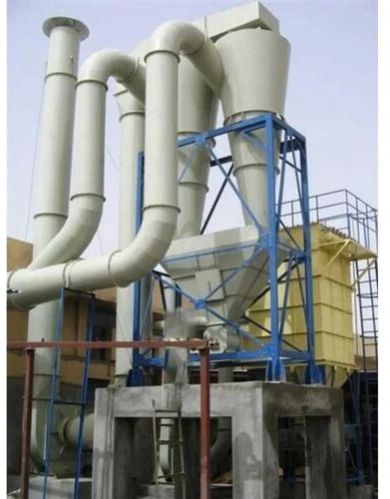
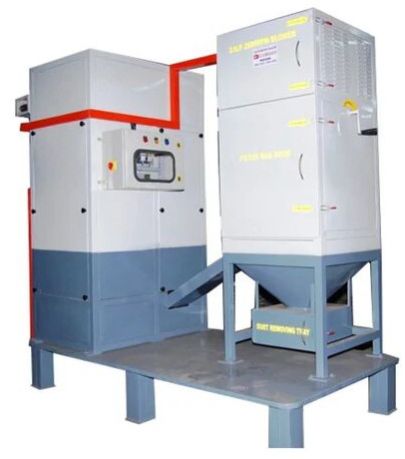
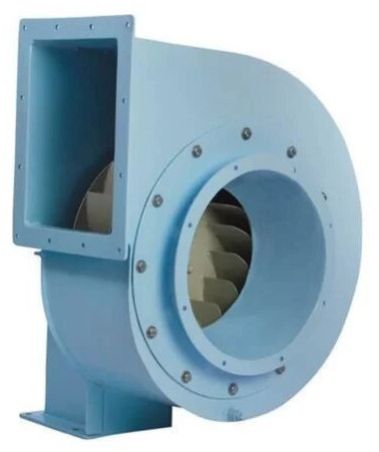
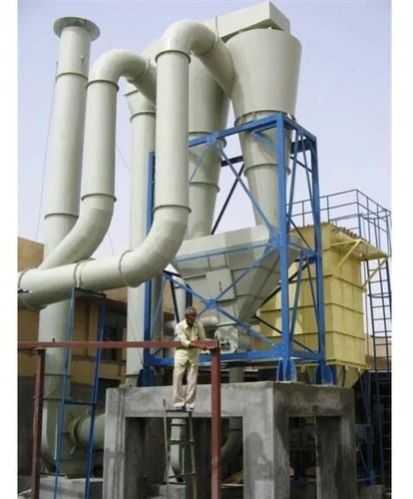
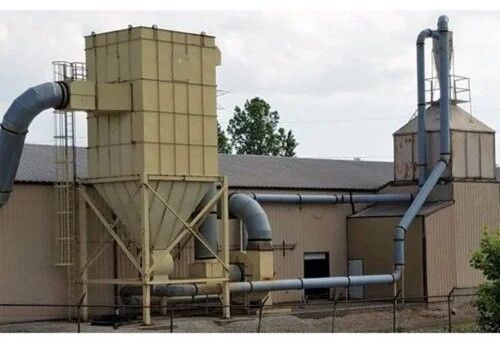
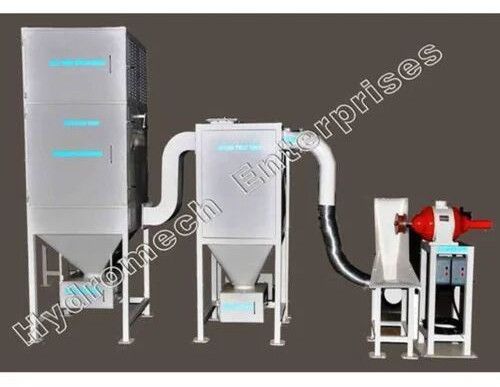
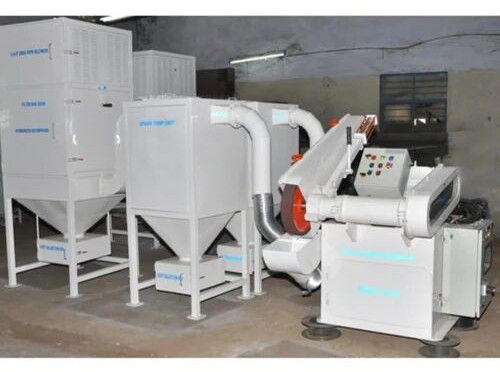
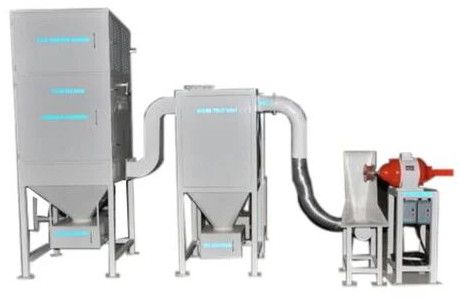
Dust collection systems for rice mills are essential for maintaining air quality, ensuring worker safety, enhancing product quality, and complying with environmental regulations. Here 's a detailed description of how these systems work, their components, and their benefits: Overview In rice mills, various processes such as cleaning, husking, milling, polishing, and packaging generate significant amounts of dust. This dust primarily consists of rice husk particles, bran, broken rice, and fine particulate matter, which can pose serious health and safety hazards if not properly managed. Purpose of Dust Collection Systems Improve Air Quality: Prevent airborne dust from accumulating in the work environment. Enhance Worker Safety: Reduce risk of respiratory problems and dust explosions. Protect Equipment: Prevent clogging and wear in machinery due to accumulated dust. Compliance: Meet local and international air quality and safety standards. Key Components of Dust Collection Systems Dust Hoods or Capture Devices Positioned at dust generation points (e.g., husking machines, polishers, sifters). Capture airborne dust directly at the source. Ductwork Network of pipes that transport dust-laden air from the capture points to the collector. Designed to minimize air resistance and prevent dust settlement. Dust Collectors Cyclone Separator: Uses centrifugal force to separate larger dust particles. Baghouse Filter: Uses fabric filter bags to trap finer dust particles. Cartridge Filter: Compact and efficient, suitable for fine dust filtration. Wet Scrubber: Uses water or liquid to trap dust (less common in rice mills). Fans/Blowers Provide suction force to move air through the system. Properly sized to maintain airflow without overloading the system. Dust Storage or Disposal Units Collected dust is stored in bins, hoppers, or silos for disposal or recycling (e.g., using rice husk as biomass fuel). Control Systems.