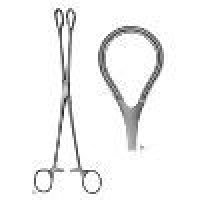
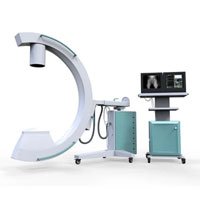
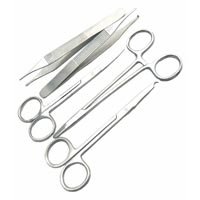
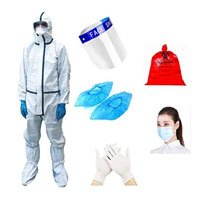
Good healthcare starts with good equipment. The purchase of patient monitors in a hospital, ordering surgical sets in a clinic, installing an MRI machine in a diagnostic center - each of these choices counts. An unreliable supplier, lateness or a defective product may cause harm to patients and ruin the confidence that a facility has established.
This is why it is so significant to find trusted suppliers. Hospitals, nursing homes, diagnostic centers, and clinics have to find a way to do that to verify who they are purchasing. They must be able to view certifications, compare products, and receive quotes without having to wait weeks to make phone calls and visit trade shows.
This is facilitated by B2B directories. We at ExportersIndia provide a list of thousands of certified suppliers in all segments of healthcare products - from MRI machines to hospital beds. All in one place, you can explore vendors, their product portfolio and even communicate with them. The guide includes the key product groups, what to look for in a supplier, and the direction the market is moving towards.

HIPEC System Equipment for Chemotherapy Use
Price: 8.20 Lakh / Piece

Pacemaker, For Educational, Dual Chamber
Price:
11,000 / piece

Adult Nebulizer Machine for Respiratory Therapy, Plastic Material
Price:
500 / Piece

Budesta Budesonide Nebulizer Suspension
Price:
169 - 180/ pieces

Polyester Spacelabs Blood Pressure Cuff, Cord Length : 0-25 Cm
Price:
10,480 / Piece

Skrip Microcontroller Diabetic Vibrosense For Hospital, Clinical, Educational
Price:
26,000 - 35,000/ Piece
 4.50 Lakh - 7.50 Lakh/ Piece

20 Litre Mild Steel Laboratory Vertical Autoclave for Sterilization
Price:
85,000 / Unit

100% Cotton Woven Crepe Bandage 5 Cm for Orthopedic Compression & Support
Price:
35 - 120/ Roll

Medmech Cotton Crepe Bandage All Size For Clinical, Hospital
Price:
100 - 300/ Piece

Nylon Pain Relief Knee Cap M, Packaging Type : Packet
Price:
70 / Pairs

Orthx Neoprene Tennis Elbow Support For Pain Relief
Price:
68 / Piece

Cotton Crape Elastic Bandage 5 Cm x 4.5 M for Support and Compression
Price:
285 / Roll

Double Surface Neonatal Phototherapy Unit for Neonatal Jaundice Treatment
Price:
55,000 - 80,000/ Piece
 45,000 / Piece

Electric Paraffin Wax Bath Machine with 5L to 25L Tank Capacity
Price:
11,800 / Piece
 3.70 Lakh / Set

220V Electric Cotton Heating Pad, For Pain Relief, Feature : Fire Proof, Multipurpose
Price:
550 - 1,550/ 1550 piece

Natural Rubber Hot Water Bottle 2 L for Pain Relief
Price:
250 - 450/ Piece

Electric Hot Water Bag - 2ltr Capacity for Heat Therapy
Price:
110 / Piece

Plain Memory Foam Pillow, Shape : Rectangle
Price:
699 / piece

Plain Memory Foam Neck Pillow, Technics : Machine Made
Price:
265 / Piece

Orthx Plain Cotton Cervical Collar, Color : Grey
Price:
105 / Piece

Orthx Plain Nylon Pouch Arm Sling, Color : Grey
Price:
105 / Piece

Plain Polyester Adults Pouch Arm Sling For Reduces Strain
Price:
750 - 5,000/ Piece

Adjustable Polyester Arm Sling Pouch for Support and Immobilization
Price:
425 / Piece

Plain Women Gda Uniform All Sizes, Gender : Female
Price:
1,250 / Set

Non Woven Visitor Coat - Disposable Blue Full Sleeve
Price:
45 / Piece
 775 / Pair

Powder Free Examination Gloves - Natural Latex, XS Size, Medical & Laboratory Use
Price:
260 - 620/ Box

PVC/vinyl Plain Vinyl Disposable Powder Free Examination Gloves
Price:
8 - 12/ 100000 Box

HDPE Printed Gloves, Technics : Machine Made, Packaging Type : White
Price:
24,125 - 33,775/ Ton

Medmech Non Woven White N95 Mask for Hospitals, Clinics
Price:
6.50 - 100/ Piece

N95 Mask Dual Head Loop With 5 Layer Protection
Price:
25 / Piece


Shoe Covers, For Clinical, Hospital, Laboratory, Pattern : Plain
Price:
25 - 30/ Pair

Osmdudes Non-woven Plain Non Woven Shoe Cover, Color : Blue
Price:
1.25 - 1.55/ Unit

Non Woven Disposable Shoe Cover for Clinical Use
Price:
59 - 100/ piece

LD Shoe Cover, For Hospital, Feature : Best Quality, Disposable
Price:
2 - 5/ PC

Knee Length Disposable LD Plastic Shoe Covers - PE Material
Price:
16 - 25/ 20 Pair

Plain Cotton Face Mask For Protects From Dirt, Pollution
Price:
9 / piece

Printed Cotton Face Mask - Reusable Protection From Dirt
Price:
5 / piece

BBM Cotton Face Mask, For Protects From Dirt, Pattern : Plain
Price:
40 / Piece
 4 - 6/ Piece

Manual Path Finder, Color : Transperent For Clinical, Hospital
Price:
200 / Piece

Heated High Flow Oxygen Therapy Unit with 2–60 L/min Flow Range
Price:
18,000 - 28,000/ pieces

Arterial Blood Filter 10x16 Inch for Hospital Use
Price:
1,500 / Piece

Manual Electric Polished Bugbee Electrode For Clinical, Hospital
Price:
7,500 / piece

Covidien Medtronic Polyhesive Patient Return Electrode
Price:
450 / pack

Patient Return Electrode, Length : 2.7 M
Price:
350 / Pack

Electric Portable Oxygen Concentrators
Price:
50,000 - 80,000/ Bag

60Hz Electric Oxygen Concentrators, Brand Name : Maizhuo
Price:
45,000 - 50,000/ Pack

Homecare Continuous Oxygen Concentrator for Long Term Home Oxygen Therapy
Price:
28,000 - 38,000/ Unit

OMEGA TRACTOR PTO TRAILER MOUNTED SUCTION MACHINE, Certification : ISO 9001:2008
Price:
2.45 Lakh - 3.85 Lakh/ Bag
 1,000 - 1,400/ piece

Davis Boyle Mouth Gag With 5 Blades
Price:
2,950 / piece

Glass Ionomer Restorative Cement for Dental Use Only
Price:
400 / Pack

Bamboo Tongue Cleaner, Color : Brown
Price:
10 - 15/ piece

FAIRBIZPS Disposable Dental Bib Waterproof Dental Patient Bibs Blue
Price:
383 - 440/ Piece

Plastics Water Jet Flosser, Color : White
Price:
95 / Piece

Wheezal Hekla Lava Dental Cream For Teeth Care
Price:
90 / Piece

Orasore Dental Gel, Packaging Size : 0-15 Gm, Purity : 99%
Price:
90 - 100/ tube

Maxodent Herbal Dental Cream, For Teeth Care, Packaging Type : Plastic Tube
Price:
39 - 88/ piece
Davis Boyle Mouth Gag With 5 Blades
Price:
2,950 / piece
Davis Boyle Mouth Gag With 5 Blades
Price:
2,950 / piece

Metal Osteotome Fiber Handle for Hospital Use
Price:
200 - 300/ Piece

Butter Paper Packaging Hotel Dental Kit - White Soft Bristle Toothbrush
Price:
9.75 / Kit

Plastic Hotel Dental Kit for Oral Hygiene Maintenance
Price:
6.50 - 12.50/ piece

Iron Chair Unit Compact Model with Stool and Remote Drum Application
Price:
70,000 - 75,000/ Piece

Fully Electric Dental Chair with 1 Year Warranty on Parts
Price:
1.50 Lakh - 1.85 Lakh/ piece

Metal Tejas Dental Chair for Adult Use
Price:
1.07 Lakh - 1.22 Lakh/ piece

DANFORCE Dental Chairs Basic, Color : YOUR CHOICE OF COLUR
Price:
10 Lakh / Piece

Indy Myo - Electric Hand Orthopedic Prosthesis
Price:
2.25 Lakh - 2.65 Lakh/ unit

Torp Fluoroplastic Total Prosthesis, Packaging Type : Box
Price:
1,650 - 2,100/ piece

Iron Foam Thomas Splint For Hospital, Orthopaedic, Clinical, Hospital
Price:
350 - 500/ Piece

Metal Limited Motion Ankle Foot Orthosis for Hospital Use
Price:
3,250 - 3,550/ Piece

Mild Steel Thomas Splint, Feature : Reusable
Price:
90 / Piece

Advin Surgical Hammer, Color : Steel, Certification : Iso 9001:2008
Price:
1,100 / piece

Canvas Tourniquet Belt - Standard Size
Price:
48.30 / Piece

Aluminium Hand Rest For Hospital, Orthopaedic
Price:
155 / Piece

Stainless Steel Elastic Nail Instrument Set for Orthopedic Surgeries
Price:
1,500 - 2,000/ Set

Neoprene Anklet Support Compression Brace, Brand Name : Black Hans
Price:
70 / Piece

Rubber Plain Ankle Support For Pain Relief
Price:
225 / Piece

Plain Elastic Ankle Support, Gender : Unisex
Price:
750 - 2,000/ Pair

Advin Stainless Steel Turner Warwick Ring Retractor For Hospital
Price:
6,500 / Piece


Stainless Steel Self Retaining Retractor for Surgical Tissue Retraction
Price:
500 - 600/ Piece
 550 / Piece

Electric EEG Amplifier Trainer, Model Number : SE2122
Price:
24,000 - 48,000/ piece
 75,000 / Piece

12 Channel ECG Machine, For Hospital
Price:
63,000 / Piece

Electric Automatic 12 Channel ECG Machine, For Medical Use, Voltage : 220V
Price:
58,000 / Unit
 4.83 Lakh / Set

X Ray Machine For Bottles and Jar
Price:
35 Lakh - 65 Lakh/ Piece

Grad 50 Mobile Line Frequency X Ray Machine
Price:
1.35 Lakh / Unit


Flowcam 8000 Imaging Particle Analysis System
Price:
45 Lakh / Piece

High Resolution Portable Ultrasound Machine for Obstetric Applications
Price:
1.50 Lakh - 3 Lakh/ Piece

Concrete Mixer With Digital Weighing System, Feature : Easy To Operate, Stable Performance
Price:
2.75 Lakh - 3.75 Lakh/ Piece

Adjustable Ultrasound Machine 220V 50Hz Electric
Price:
9 Lakh - 12 Lakh/ Piece

125 Ultrasound Therapy Machine with Continuous and Pulsed Modes
Price:
9,000 - 9,500/ Piece

50HZ FM 301 Fetal Monitor, For Hospital Use, Voltage : 220V
Price:
74,000 / Peice

ECG Paper Roll, Feature : Fine Finish, Moisture Proof
Price:
32 / Roll

Fetal Monitor, Color : Black, Grey For Hospital Use
Price:
10,000 - 15,000/ piece

50Hz Electric Bio-Signal Simulator For Educational, Research, Calibration, Study
Price:
54,000 - 65,000/ Piece
X Ray Machine For Bottles and Jar
Price:
35 Lakh - 65 Lakh/ Piece

Grdliv - Fp Grad C Arm X Ray Machine
Price:
21.25 Lakh / Unit

Advin Polished TURP Glass Syringe For Clinical, Hospital
Price:
3,800 / piece

Precision Glass Hamilton Syringe for Gas Chromatography
Price:
1,800 - 3,500/ piece

Nihal PP 5 Ml Disposable Syringe With Needle, Color : Transparent
Price:
1.95 - 2.50/ Piece

Freelife Femoral Cannulas with Stylet and Suture Ring for Hospital Use
Price:
18,500 / Piece

Disposable LV Cannula with Japanese Stainless Steel for Clinical Use
Price:
6.85 / Piece

MAHIR Plastic Adjustable Cannula, Size : Standard Size
Price:
500 - 750/ Piece

Ophthalmic Instruments Air Cannula for Surgical Use
Price:
50 / Piece

Advin Silicone Biliary Stent Introducer SET For Surgical Use
Price:
660 / piece

Steel Plaster Spreader for Hospital Use - Standard Size, Gray
Price:
400 - 500/ Piece

Stainless Steel Henning Plaster Spreader for Hospital
Price:
950 / Piece

Rituximab 100mg Intravenous Infusion Single-Use Vial
Price:
8,189 / Box

PVC Oxygen Tube, Shape : Round for Medical Use
Price:
5.50 / Meter

Medmech IV Infusion Set, Color : Transparent for Hospital
Price:
5 - 25/ piece

Advin PVC Naso Jejunal Feeding Tube, Certification : ISO 9001:2008 Certified
Price:
320 / piece

Renixa Safeline - Hemodialysis Blood Tubing Set for Clinical Use
Price:
180 - 268/ pack

Medmech IV Cannula All Size for Clinical Use, Hospital Use
Price:
8 - 25/ piece

Sterile Plastic IV Cannula for Medical Procedure
Price:
8.40 - 12.60/ piece

Three Way Stop Cock in Transparent Polycarbonate for Hospital Use
Price:
6.85 / Piece

Surgical Soft Roll, Color : White Customized Size
Price:
50 - 150/ Piece

Cotton Rolls in Bright-White for Clinical Use
Price:
100 - 200/ Kg

Cotton Gauze Dressing Pads For Swab Folding
Price:
80 - 150/ Piece

Sterilized Cotton Roll for Medical and Dental Applications
Price:
230 - 1,000/ Kilogram

Self-Adhesive Elastic Compression Bandage 5 Cm × 4.5 M for Compression & Support
Price:
80 - 130/ Roll


Medmech Elastic Bandages Custom, Packaging Type : Box
Price:
100 - 300/ Piece

Cotton Elastic Bandage Roll For Hospital
Price:
35 - 70/ Piece

Medmech Cotton Wool, Color : White for Clinical, Hospital
Price:
125 - 250/ Piece
Cotton Rolls in Bright-White for Clinical Use
Price:
100 - 200/ Kg
Sterilized Cotton Roll for Medical and Dental Applications
Price:
230 - 1,000/ Kilogram

Bleached Cotton Roll - Bright-White Disposable Clinical Material
Price:
1,000 / mtr

Khealthcare Gauze Cloth Medical Cotton Jumbo Rolls, Color : White
Price:
10.50 - 15/ piece
Cotton Gauze Dressing Pads For Swab Folding
Price:
80 - 150/ Piece

Sterile Eye Pad - Non-woven Fabric for Eye Injury Treatment
Price:
16 / Piece

Self-Adhesive Elastic Compression Bandage 5 Cm × 4.5 M for Compression & Support
Price:
80 - 130/ Roll
Medmech Elastic Bandages Custom, Packaging Type : Box
Price:
100 - 300/ Piece
Cotton Elastic Bandage Roll For Hospital
Price:
35 - 70/ Piece

Icare Ic100 Tonometer, Color : White, Model Number : D-KAT, GAA7
Price:
3.50 Lakh / Piece

Haag Streit Slit Lamp, Voltage : 24, 36V
Price:
1,980 - 9,000/ Piece

Itronix Hand Held Auto Keratometer
Price:
1.60 Lakh / Piece

Battery Auto Refractometer, For Laboratory
Price:
1.50 Lakh / piece

Matrionix Artificial Model Eye
Price:
7,500 / Piece

Plastic Eye Wash Bottle by NAYAN RAKSHAK
Price:
125 / nos

Metal Trial Frame for Laboratory Use - Adult Size
Price:
650 / pcs

Rubber Fix Nose Pad by Optimax
Price:
5 - 6/ Piece

Rcsp Orange Plastic Eye Wash Cup for Relieving Eye Stress
Price:
15 / Piece

25mm Satmed Binomag Loupe - 2.5x Magnifying Loupe for Detailed Work
Price:
850 / pcs

Glass Jackson Cross Cylinder UNITECH VISION Eye Testing Equipment
Price:
500 / Pair

Gold Plated Castroviejo Needle Holder TC Tip
Price:
4,200 / Piece

Stainless Steel Ophthalmic Surgical Keratome Slit Blade 3.5 mm
Price:
22 / Piece

R-391 5 Step Haag Streit Slit Lamp
Price:
70 / Piece
Haag Streit Slit Lamp, Voltage : 24, 36V
Price:
1,980 - 9,000/ Piece


Slit Lamp Five Step Magnification by Unitech Vision for Clinic
Price:
65,000 / Piece

Slit Lamp 5 Step Zeiss Type for Hospital/Clinic Use
Price:
50,000 / Unit

R-085 Optical Compact Model Chair Unit For Hospital
Price:
11,000 / Piece

Metal Refraction Chair Unit Ophthalmic Model for Clinical Use
Price:
95,000 / Piece

Plastic CAM Low Vision Stimulator for Clinic Use
Price:
4,500 / Piece

1000-2000 Gms Ent Equipment, For Hospital Use
Price:
9 Lakh / Piece

Direct LED Diagnostic Otoscope for ENT Examination
Price:
2,000 - 3,500/ Piece

Welch Allyn Pocket Otoscope - Metal for Clinic Use
Price:
9,999 / Piece

Stainless Steel Otoscope Diagnostic Set For Medical Examination OF Ears
Price:
3,000 - 4,000/ Set

Pocket Otoscope Diagnostic Instrument in Black
Price:
1,500 / Pcs

Phonak RIC 312 Terra Hearing Aid in Brown & Black
Price:
26,500 / Piece

Otocura Ear Cleanser for Ear Hygiene
Price:
265 / Bottle

Polished Tonsil Scissors, Size : 10inch, 4inch, 6inch
Price:
500 / Piece

Black Nasal Strip Helps Reduce Snoring And Improve Breathing
Price:
500 / Pack

Stainless Steel Tympanoplasty Instruments Set for Surgical Use
Price:
42,500 / Set

Symbicort 80mcg/4.5mcg Turbuhaler for Chronic Obstructive Pulmonary Disease (COPD)
Price:
526 - 530/ vial

Saptrishi Cold Inhaler for Asthma in Children Aged 0-6 Years
Price:
50 / Piece

Fil Free Rollon 10ml for Headaches with Nilgiri Oil
Price:
80 / Pcs
Direct LED Diagnostic Otoscope for ENT Examination
Price:
2,000 - 3,500/ Piece
Welch Allyn Pocket Otoscope - Metal for Clinic Use
Price:
9,999 / Piece
Stainless Steel Otoscope Diagnostic Set For Medical Examination OF Ears
Price:
3,000 - 4,000/ Set
Pocket Otoscope Diagnostic Instrument in Black
Price:
1,500 / Pcs

Stainless Steel Medical Otoscope, Color : Silver
Price:
1,200 / Piece

Lightweight Foldable Adult Wheelchair with Steel Frame for Patient Transport
Price:
10,000 - 18,000/ Piece

Flamingo OC2279 Classic Manual Wheelchair Steel Frame
Price:
6,760 / piece

Foldable Stainless Steel Wheelchair Model MPS 057 for Hospital & Home Care
Price:
6,000 / Piece

Plain Aluminum Walking Sticks, Handle Material : Plastic
Price:
101 / Piece

Ergogrip Four Legged Walking Quad Cane for Balance and Support
Price:
385 - 445/ Piece

Sheesham Wood Walking Stick for Old Age People - 36 Inch
Price:
230 / Piece

Steel Universal Paraplegia Walker for Home Use
Price:
20,000 / Piece

Metal Straight Walking Stick with Rubber Handle in Grey
Price:
150 / Piece
Plain Aluminum Walking Sticks, Handle Material : Plastic
Price:
101 / Piece

Aluminum 110 CMS Blind Folding Walking Stick, Color : Black
Price:
550 / piece

Aluminum Tripod Walking Stick with Adjustable Height and 100 Kg Capacity
Price:
410 / Piece
Sheesham Wood Walking Stick for Old Age People - 36 Inch
Price:
230 / Piece
Metal Straight Walking Stick with Rubber Handle in Grey
Price:
150 / Piece
Lightweight Foldable Adult Wheelchair with Steel Frame for Patient Transport
Price:
10,000 - 18,000/ Piece

Folding Wheelchair with Powder Coated Finish and 50-150kg Capacity
Price:
3,500 - 15,000/ piece

Forcemech Ark Heavy Duty All-Terrain Folding Powerchair in Brown
Price:
3 Lakh / piece

Folding Wheelchair Jazz S50 for Hospital Use
Price:
17,000 / piece

Metal Folding Walker for Handicapped Use in Blue & White
Price:
675 / Piece

Adjustable Walker for Walking Support - Folding Model
Price:
550 - 600/ piece

Paint Coating Metal Folding Walker For Handicapped Use
Price:
550 / Piece

Aluminium Adjustable Movable Walker for Adults
Price:
1,000 - 1,500/ Piece

Metal Humidity Oven for Temperature Humidity Testing
Price:
70,000 - 5 Lakh/ Piece

Electric Metal Humidity Oven, Certification : Automatic, Fully Automatic
Price:
89,000 - 90,000/ Piece

Humidity Oven, Features : High Accuracy, Compact Design, Long Service Life
Price:
58,000 / Piece

Stainless Steel Thermostatic Oven
Price:
5,000 / Piece

GREEN AGRITECH Tablet Counting Machine, Certification : ISO 9001: 2015
Price:
42,000 / Box

Electric Tablet Counting Machine, Certification : CE Certified
Price:
2.50 Lakh - 25 Lakh/ Piece

Tablet Counting Machine, Certification : ISO 9001:2008
Price:
4.50 Lakh - 5.50 Lakh/ Units
Metal Humidity Oven for Temperature Humidity Testing
Price:
70,000 - 5 Lakh/ Piece
Electric Metal Humidity Oven, Certification : Automatic, Fully Automatic
Price:
89,000 - 90,000/ Piece
Humidity Oven, Features : High Accuracy, Compact Design, Long Service Life
Price:
58,000 / Piece

98% Polyester ESD Shoe Cover, For Laboratory, Pattern : Plain
Price:
6 - 10/ Pair

K-line 97 Safety Goggles, Frame Color : White, Black
Price:
22 - 23/ piece

Medical Gloves, Gender : Unisex for Hospital
Price:
180 - 250/ Box

Non Woven 50 To 90 Medmech PPE Kit L, XL, Gender : Unisex
Price:
150 - 999/ Piece

11 Inch Disposable Hand Gloves, For Beauty Salon, Cleaning, Examination
Price:
0.22 - 0.25/ Pair

100% Cotton Free Orn Anti Bacterial Reusable Face Mask
Price:
200 / Piece

3 Ply Non Woven Masks, Color : Blue, Green, Black, Yellow
Price:
1.10 - 2.50/ Piece


Medmech Cotton 3 Ply Mask, Color : Blue, Medical Blue
Price:
1 - 5/ piece

3 Ply Face Mask - Blue Meltblown for Laboratory Use
Price:
1 - 5/ pic

Non Woven Swasa Anti Pollution N95 Mask, Color : White
Price:
35 - 75/ Piece


Dabas Organic Multivitamin Fruit Clay Face Mask
Price:
299 - 427/ Pack

Nitrochem 15 Green Nitrile Gloves XL for Chemical Resistance
Price:
42 / Pair
 40 / PAIR

Medmech Plain Long Cuff Nitrile Surgical Gloves, Color : Blue
Price:
25 - 40/ Pair
Medical Gloves, Gender : Unisex for Hospital
Price:
180 - 250/ Box

Latex Powder Free Nitrile Gloves, Length : 10-15 Inches For Clinical
Price:
12 - 18/ pieces
 8.50 / Piece


Non Woven Face Mask in Sky Blue for Single-use Application
Price:
0.80 - 2.50/ Piece

Register Your Business
Create an account with your name, email ID, and mobile number

Complete Business Profile
Add company details, contact information, and business description

List Your Products
Upload product details so buyers can find your offerings

Respond to Buyer Requirements
Receive inquiries through email, calls, and buy leads
 99 - 9,999 /piece


Connect with us


 For Buyer
 For Seller
 Help