
Trust
2007
51 - 100
Rs. 5 to 25 Crore Approx.

In vitro toxicity studies are laboratory-based assessments performed outside of living organisms, using systems such as cultured cells, tissue slices, or organotypic models. These studies aim to determine the toxic effects of substances at the cellular and molecular levels, offering valuable insights into their mechanisms of action. They are widely used in the early stages of safety evaluation and serve as a foundation for identifying potential hazards before advancing to in vivo testing. Key features of in vitro toxicity studies include: Use of non-animal models: Helps reduce reliance on animal testing by providing ethical and efficient alternatives. Cellular and molecular focus: Assesses how substances affect cell viability, gene expression, and biochemical pathways. Early safety screening: Identifies toxic compounds early in product development, saving time and resources. Mechanistic insights: Reveals the underlying biological mechanisms of toxicity.\n Regulatory and research relevance: Supports regulatory decision-making and enhances understanding in toxicological research.

Chronic toxicity studies are long-term investigations conducted to evaluate the health effects of a substance after prolonged or lifetime exposure. Typically lasting from 6 months to 2 years, depending on the test species, these studies are essential for understanding the potential risks associated with continuous exposure to chemicals, pharmaceuticals, or environmental agents. They help identify: Cumulative toxicity – effects that build up in the body over time. Target organs – specific organs that may be most affected by the substance. Carcinogenicity potential – the likelihood of the substance causing cancer. Safe exposure limits – thresholds below which the substance is considered safe for humans. Chronic toxicity studies play a vital role in regulatory decision-making, supporting the development of safety guidelines and risk assessments to protect public health. They are especially important for substances used in food, medicine, and occupational settings.

Reproductive toxicity studies encompass a series of scientific investigations aimed at assessing the potential effects of various substances—such as pharmaceuticals, chemicals, or environmental agents—on reproductive health and fertility. These studies are essential in understanding how exposure to certain substances may affect sexual function, reproductive capability, and the development of offspring. They play a crucial role in several areas, including. Regulatory Toxicology : Providing data required by regulatory agencies to evaluate the safety of substances. Drug Development : Ensuring new drugs do not pose reproductive risks before approval and market release. Chemical Risk Assessment : Identifying potential reproductive hazards associated with industrial or environmental chemicals. Overall, reproductive toxicity studies help ensure that substances intended for human or environmental exposure do not compromise reproductive health, supporting public safety and informed regulatory decisions.

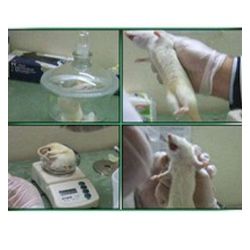
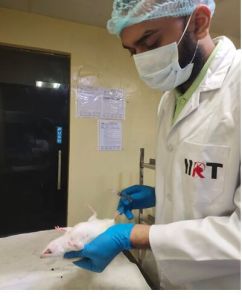
Sub-acute toxicity studies are conducted to assess the adverse effects of a substance following repeated exposure over a short duration, typically ranging from 14 to 28 days. These studies are essential in the early stages of toxicological evaluation and are designed to identify the potential health risks associated with short-term use or exposure. Key objectives of sub-acute toxicity studies include: Identifying target organs that may be affected by the substance. Determining dose-response relationships to understand how toxicity varies with different exposure levels. Observing clinical signs and symptoms of toxicity, including behavioral or physiological changes. Evaluating changes in body weight and food consumption , which may indicate systemic effects. Providing baseline data to inform the design and safety margins of sub-chronic and chronic toxicity studies. These studies play a crucial role in risk assessment and help ensure the safe development and regulation of pharmaceuticals, chemicals, and other products.


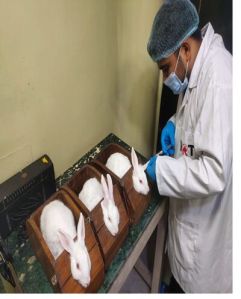
Pyrogen testing is a crucial procedure used to detect the presence of pyrogens—substances that can induce fever when introduced into the human body. These substances are most commonly bacterial endotoxins, which originate from the outer membrane of Gram-negative bacteria. However, pyrogens can also include non-endotoxin substances such as certain chemicals, metabolites, or contaminants introduced during manufacturing. This testing is essential to ensure the safety of: Injectable pharmaceuticals – to prevent febrile reactions in patients. Biological products – such as vaccines and monoclonal antibodies, where sterility is critical. Medical devices – especially those intended to come into contact with blood or cerebrospinal fluid. By identifying and eliminating pyrogens, manufacturers can meet regulatory standards and safeguard patient health. Pyrogen testing methods include the Rabbit Test, Bacterial Endotoxin Test (BET or LAL test), and Monocyte Activation Test (MAT), each with specific applications depending on the product type and regulatory requirements.