
 GST : 09AABTI4874P1ZV
 4.5/5
4.5/5
Our Services
Our offered Product range includes Rapid Kit Testing, Abnormal Toxicity Testing Services, Immunotoxicity Testing Service, growth inhibition test service and Biopesticides and Biofertilizers Testing Services.

Rapid testing kits are designed to detect and quantify microorganisms quickly, often within minutes to a few hours, compared to traditional culture methods which may take 27 days. These kits are widely used in pharmaceuticals, food safety, water testing, clinical diagnostics, and environmental monitoring.
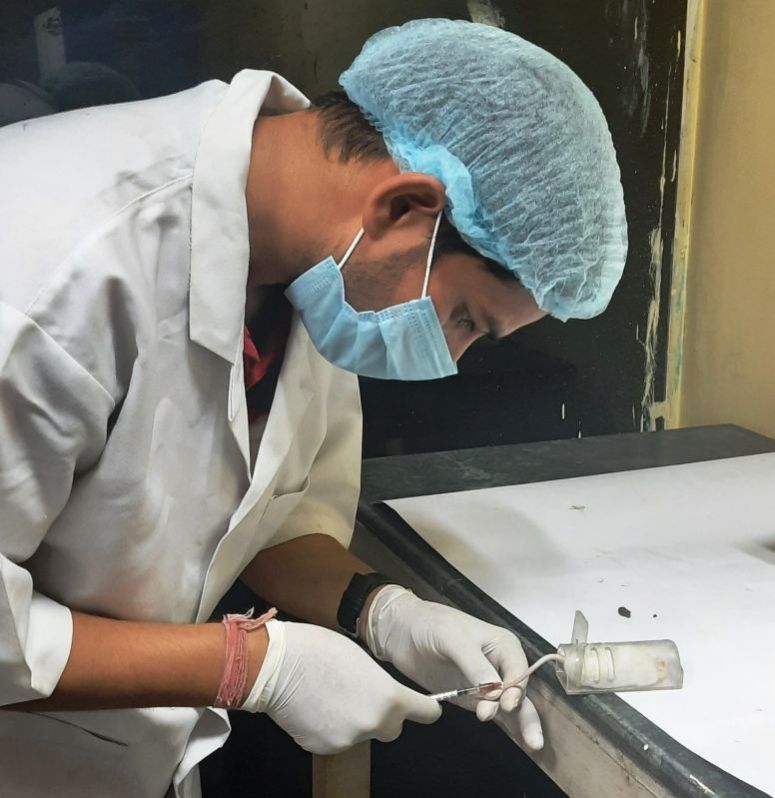
The ATT is a quality control test that is used by manufacturers and national control laboratories (NCLs) in different countries for batch release testing.It's a crucial component of safety measures for vaccines and is recommended by the World Health Organization to be incorporated into national vaccine control procedures.
The ATT involves a single injection of a specified volume of a product batch into guinea pigs and/or mice, followed by an observation period.The test evaluates the material over a few days for evidence of toxicity, such as survival and body weight loss.A batch typically passes the test if the findings seen in animals follow certain criteria, such as surviving the test period and weighing no less at the end of the test period than at the time of injection.
The ATT can help identify non-specific toxicity, contamination from exogenous substances, and potential toxic effects early in the development trajectory.However, the test has some limitations, such as poor reliability due to the animal model and the questionable transferability of the test results to the target species.
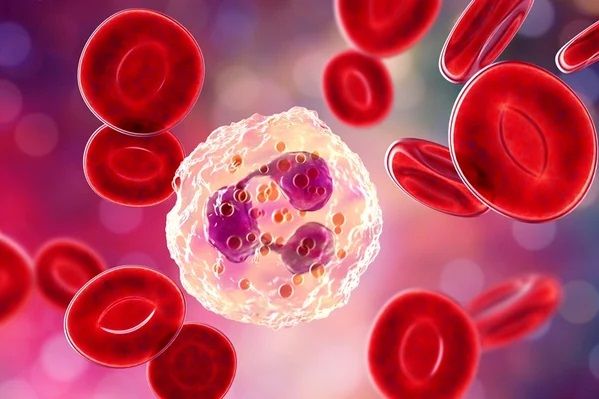
Immunotoxicity as per ISO 10993 Part 20
Immunotoxicity testing evaluates the potential of medical device materials or their extracts to cause adverse effects on the immune system. This includes unwanted immune activation, suppression, or hypersensitivity reactions.
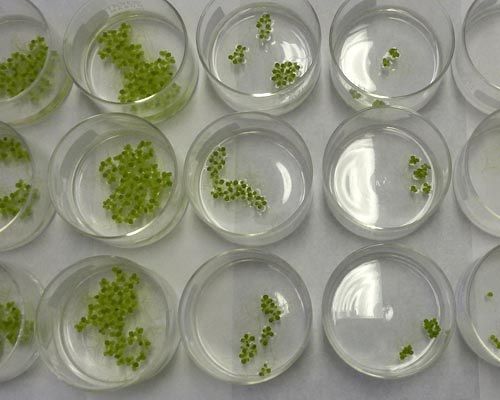
Growth Inhibition Test in Algae
The Growth Inhibition Test evaluates the effects of chemical substances on the growth rate of algae, which are primary producers in aquatic ecosystems. Its a key test for assessing the environmental impact of pollutants on aquatic life.

Biopesticides and biofertilizers are microbial-based agricultural inputs that enhance crop productivity and pest control using natural, beneficial microorganisms. Microbiological testing ensures their efficacy, safety, and compliance with national and international standards.
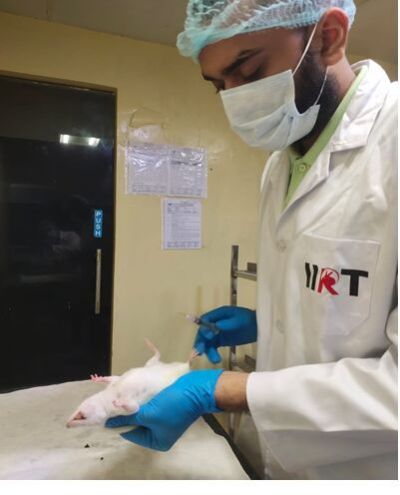
Sub-acute toxicity studies are conducted to assess the adverse effects of a substance following repeated exposure over a short duration, typically ranging from 14 to 28 days. These studies are essential in the early stages of toxicological evaluation and are designed to identify the potential health risks associated with short-term use or exposure.
Key objectives of sub-acute toxicity studies include:
Identifying target organs that may be affected by the substance.
Determining dose-response relationships to understand how toxicity varies with different exposure levels.
Observing clinical signs and symptoms of toxicity, including behavioral or physiological changes.
Evaluating changes in body weight and food consumption, which may indicate systemic effects.
Providing baseline data to inform the design and safety margins of sub-chronic and chronic toxicity studies.
These studies play a crucial role in risk assessment and help ensure the safe development and regulation of pharmaceuticals, chemicals, and other products.
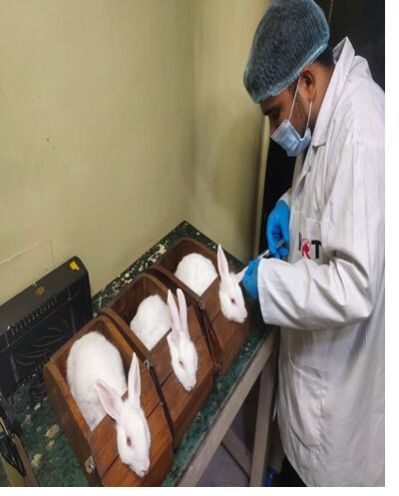
Pyrogen testing is a crucial procedure used to detect the presence of pyrogens—substances that can induce fever when introduced into the human body. These substances are most commonly bacterial endotoxins, which originate from the outer membrane of Gram-negative bacteria. However, pyrogens can also include non-endotoxin substances such as certain chemicals, metabolites, or contaminants introduced during manufacturing.
This testing is essential to ensure the safety of:
Injectable pharmaceuticals – to prevent febrile reactions in patients.
Biological products – such as vaccines and monoclonal antibodies, where sterility is critical.
Medical devices – especially those intended to come into contact with blood or cerebrospinal fluid.
By identifying and eliminating pyrogens, manufacturers can meet regulatory standards and safeguard patient health. Pyrogen testing methods include the Rabbit Test, Bacterial Endotoxin Test (BET or LAL test), and Monocyte Activation Test (MAT), each with specific applications depending on the product type and regulatory requirements.

Five-batch analysis is necessary for identifying and quantifying impurities within the production batches of substances to obtain the minimum regulatory closure of 98% w/w required for successful registration. For over 20 years, Charles River chemists have developed expertise in the separation, identification, synthesis and quantification of impurities that may be present as a very small proportion of structurally similar or isometric materials.
5 Batch Analysis refers to the comprehensive testing and evaluation of five separate production batches of a product to ensure consistency, quality, and compliance withspecifications. It is a critical part of product validation and quality assurance in manufacturing.
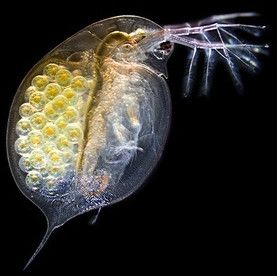
This test is carried out to determine the effect of a chemical on the reproductive output of Daphnia magna. Juvenile Daphnia magna, less than 24 hours old at the start of the test are exposed to the test material for a period of 21 days. Studies are performed as a semi-static with renewal of the typically three times per week, greater frequency can be used depending on the stability of the test material in the test media.
The Reproduction Test in Daphnia assesses the chronic effects of substances on the reproductive capacity of Daphnia (typically Daphnia magna). This test is important for evaluating long-term ecological impacts on population sustainability.
 Shalini Mishra (Institute for Industrial Research & Toxicology)
 F-209-209, UPSIDC, Hapur, Ghaziabad, Uttar Pradesh - 201015, India
 https://www.iirt.in
 Share us via









