
Company Information
 Member Since 23 Years
 Nature of Business Retailer
 GST No. 09**********ZV
Ask for more detail from the seller
Contact Supplier
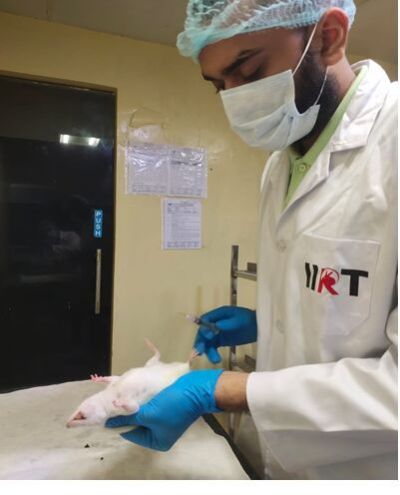
Sub-acute toxicity studies are conducted to assess the adverse effects of a substance following repeated exposure over a short duration, typically ranging from 14 to 28 days. These studies are essential in the early stages of toxicological evaluation and are designed to identify the potential health risks associated with short-term use or exposure.
Key objectives of sub-acute toxicity studies include:
Identifying target organs that may be affected by the substance.
Determining dose-response relationships to understand how toxicity varies with different exposure levels.
Observing clinical signs and symptoms of toxicity, including behavioral or physiological changes.
Evaluating changes in body weight and food consumption, which may indicate systemic effects.
Providing baseline data to inform the design and safety margins of sub-chronic and chronic toxicity studies.
These studies play a crucial role in risk assessment and help ensure the safe development and regulation of pharmaceuticals, chemicals, and other products.



Connect with us





 For Buyer
  For Seller
  Help
Help 

 Ghaziabad, Uttar Pradesh


 Send Enquiry