
 GST : 09AABTI4874P1ZV
 4.5/5
4.5/5
Our Services
Leading Manufacturer, Supplier & Retailer of Toxicokinetic and Bioanalytical Services, Method Validation & 5-batch analysis, Irritation and Intracutaneous Studies and Skin Sensitization Study Service.

Toxicokinetics per ISO 10993 Part 16
Toxicokinetics (TK) studies investigate the absorption, distribution, metabolism, and excretion (ADME) of chemical substances released from medical devices. This helps understand how the body handles these substances over time, correlating exposure with potential toxic effects.
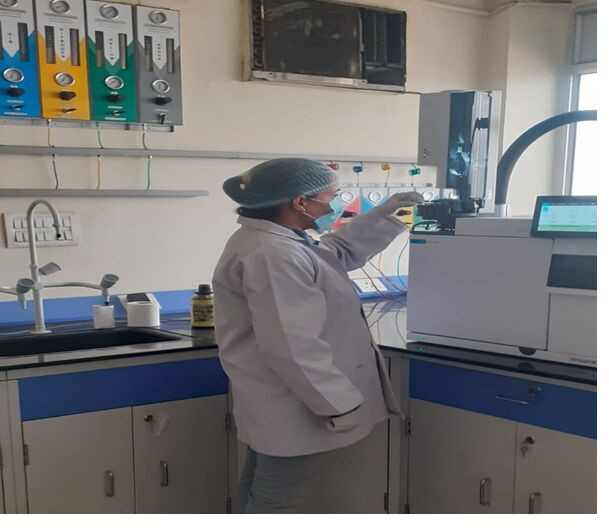
Method validation is a critical process in analytical chemistry and laboratory testing. It involves a series of experiments and procedures to demonstrate that an analytical method is suitable for its intended purpose, providing reliable and accurate results. Method validation is essential to ensure the quality, accuracy, and consistency of analytical data generated by a specific method.
Batch analysis in chemistry refers to analyzing multiple samples or batches of substances or products for quality control, research, or testing purposes.

Irritation and intracutaneous studies as per ISO 10993 Part 23
Irritation and intracutaneous (intradermal) studies assess the potential of medical device materials or extracts to cause local irritation or inflammatory reactions when applied to or injected into the skin. ISO 10993-23 provides specific guidance for evaluating these effects, especially for materials intended for long-term or implantable devices.
Irritation tests are utilized to assess the irritation potential of medical devices, bio-materials, or their extracts exposed to eye, skin, or mucous membranes. The test(s) are performed using a model appropriate for the route (skin, eye, mucosa) and duration of exposure or contact
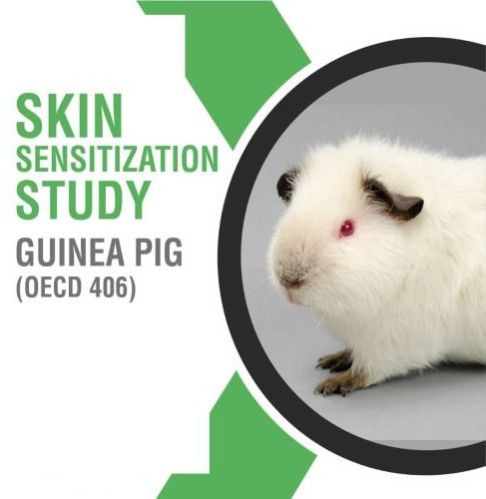
Skin sensitization studies are conducted to assess whether a medical device material or chemical has the potential to cause an allergic skin reaction, also known as delayed hypersensitivity, after repeated exposure. These reactions typically occur when the immune system becomes sensitized to a substance, leading to inflammation or irritation upon subsequent contact.
Such studies are a critical part of ensuring the biocompatibility and safety of materials used in medical devices, especially those in prolonged or repeated contact with the skin. The evaluation helps identify substances that could trigger adverse immune responses in sensitive individuals.
ISO 10993-10 provides the specific guidelines for conducting these tests as part of the overall biological evaluation of medical devices. By adhering to this standard, manufacturers can demonstrate compliance with regulatory requirements and ensure patient safety during device use. Skin sensitization testing plays an essential role in risk assessment and product development in medical and pharmaceutical industries.
 Shalini Mishra (Institute for Industrial Research & Toxicology)
 F-209-209, UPSIDC, Hapur, Ghaziabad, Uttar Pradesh - 201015, India
 https://www.iirt.in
 Share us via