
 Write a Review
Our Products
We are leaders in the market for providing best range of Azee 500 Mg Tablets, Azee 250 Mg Tablets, Cipmox 250 MG, cipmox 500 mg amoxycillin tablets and azipro 250 mg azithromycin tablets
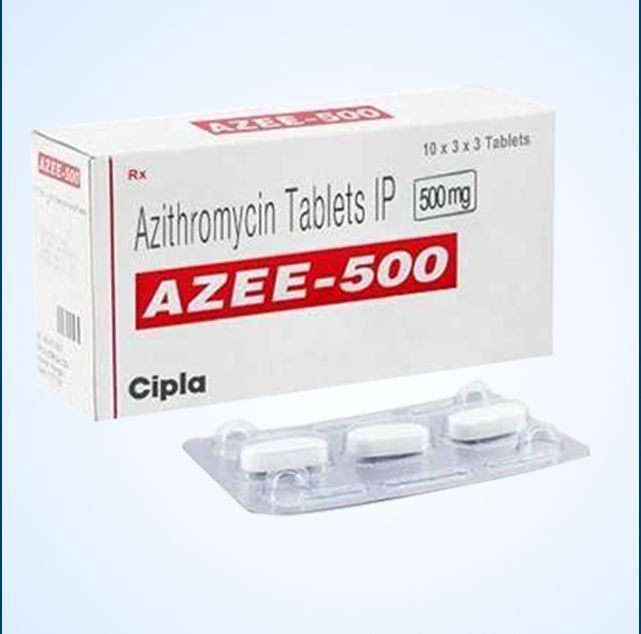
Azee 500 Mg is a widely prescribed antibiotic used for the treatment of bacterial infections. Containing azithromycin as its active ingredient, Azee 500 Mg belongs to the macrolide group of antibiotics. It works by stopping the growth of harmful bacteria, ensuring faster recovery. Doctors commonly recommend Azee 500 Mg for respiratory infections, throat infections, skin infections, and certain sexually transmitted diseases.
What is Azee 500 Mg?Azee 500 Mg is a trusted antibiotic that provides relief from bacterial infections by targeting bacteria directly. Unlike many other antibiotics, Azee 500 Mg is often given in a shorter treatment course, making it more convenient for patients. It is available in tablet form and is well-tolerated by most individuals.
Uses of Azee 500 MgDoctors prescribe Azee 500 Mg for the following conditions:
Respiratory infections such as pneumonia and bronchitis.
Ear, nose, and throat infections including tonsillitis and sinusitis.
Skin and soft tissue infections.
Certain sexually transmitted infections.
Typhoid fever (in specific cases).
With its broad-spectrum activity, Azee 500 Mg helps treat infections efficiently and prevents complications.
Dosage and AdministrationThe dosage of Azee 500 Mg depends on the type and severity of the infection. It is usually prescribed once daily, making it more convenient compared to other antibiotics that require multiple doses. Doctors recommend taking Azee 500 Mg with water, with or without food. Completing the full prescribed course of Azee 500 Mg is important to prevent recurrence and resistance.
Benefits of Azee 500 MgBroad-spectrum antibiotic effective against various bacterial infections.
Convenient once-daily dosage.
Shorter treatment course compared to many antibiotics.
Safe and well-tolerated when used as prescribed.
Provides quick symptom relief.
Patients using Azee 500 Mg often report improvement within 2–3 days of starting treatment.
Side Effects of Azee 500 MgLike other antibiotics, Azee 500 Mg may cause side effects in some patients. Common side effects include nausea, vomiting, diarrhea, stomach pain, and headache. Rarely, Azee 500 Mg may cause liver issues or allergic reactions such as rash or swelling. Seek medical attention if any serious side effects occur.
Precautions for Azee 500 MgUse Azee 500 Mg only under a doctor’s supervision.
Patients with liver or kidney problems should inform their doctor before starting Azee 500 Mg.
Avoid alcohol while taking Azee 500 Mg.
Do not skip doses or stop early without completing the full course.
Store Azee 500 Mg tablets in a cool, dry place away from sunlight.
Q1: What is Azee 500 Mg used for?
Azee 500 Mg is used to treat bacterial infections of the respiratory tract, skin, ENT, and sexually transmitted infections.
Q2: How should I take Azee 500 Mg?
Take Azee 500 Mg once daily with water as directed by your doctor, with or without food.
Q3: Is Azee 500 Mg safe for children?
Yes, Azee 500 Mg can be prescribed for children, but the dosage must be adjusted according to body weight.
Q4: Can I stop taking Azee 500 Mg once I feel better?
No, you should complete the full course of Azee 500 Mg to prevent relapse and antibiotic resistance.
Q5: Do I need a prescription for Azee 500 Mg?
Yes, Azee 500 Mg is a prescription antibiotic and should only be used under medical advice.
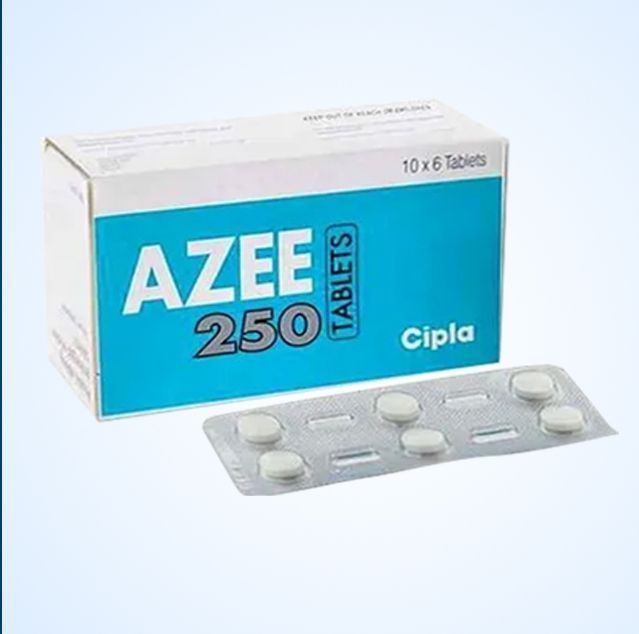
Azee 250 Mg is a commonly prescribed antibiotic used to treat a wide range of bacterial infections. Containing azithromycin as its active ingredient, Azee 250 Mg belongs to the macrolide class of antibiotics. It works by stopping bacterial growth, which helps in quick recovery from infections. Doctors recommend Azee 250 Mg for respiratory tract infections, throat infections, skin infections, and ear infections.
What is Azee 250 Mg?Azee 250 Mg is a reliable antibiotic that fights bacterial infections effectively. It is often used when patients require a lower dosage compared to Azee 500 Mg. With its proven results, Azee 250 Mg is prescribed for both adults and children under medical supervision.
Uses of Azee 250 MgDoctors prescribe Azee 250 Mg for:
Respiratory infections such as bronchitis and pneumonia.
Ear, nose, and throat infections including sinusitis and tonsillitis.
Skin and soft tissue infections.
Certain sexually transmitted infections.
Typhoid fever (in specific cases).
By eliminating bacteria, Azee 250 Mg helps prevent complications and ensures faster recovery.
Dosage and AdministrationThe dosage of Azee 250 Mg depends on the patient’s age, body weight, and severity of infection. It is usually prescribed once daily, which makes it more convenient than many other antibiotics. Azee 250 Mg should be taken with a glass of water, with or without food. It is important to complete the prescribed course of Azee 250 Mg even if symptoms improve early.
Benefits of Azee 250 MgEffective against a broad range of bacterial infections.
Convenient once-daily dosing.
Suitable for both adults and children.
Provides quick relief from symptoms.
Shorter treatment duration compared to other antibiotics.
Patients taking Azee 250 Mg often start noticing improvements within two to three days of treatment.
Side Effects of Azee 250 MgLike most antibiotics, Azee 250 Mg may cause some side effects. Common ones include nausea, vomiting, diarrhea, stomach discomfort, and headache. Rarely, Azee 250 Mg may cause allergic reactions, liver issues, or irregular heartbeat. Consult a doctor immediately if any serious side effects occur.
Precautions for Azee 250 MgTake Azee 250 Mg only under a doctor’s supervision.
Patients with liver or kidney problems should inform their doctor before starting Azee 250 Mg.
Avoid alcohol while taking Azee 250 Mg.
Do not skip doses or stop early without completing the treatment course.
Store Azee 250 Mg tablets in a cool, dry place away from direct sunlight.
Q1: What is Azee 250 Mg used for?
Azee 250 Mg is used for treating bacterial infections of the respiratory tract, ear, skin, throat, and some sexually transmitted diseases.
Q2: How should I take Azee 250 Mg?
Take Azee 250 Mg once daily with water, with or without food, as prescribed by your doctor.
Q3: Is Azee 250 Mg safe for children?
Yes, Azee 250 Mg can be prescribed for children, but the dosage will be adjusted according to body weight.
Q4: Can I stop Azee 250 Mg when I feel better?
No, you should complete the full course of Azee 250 Mg to avoid recurrence of infection and antibiotic resistance.
Q5: Do I need a prescription for Azee 250 Mg?
Yes, Azee 250 Mg is a prescription medicine and should only be taken under medical advice.
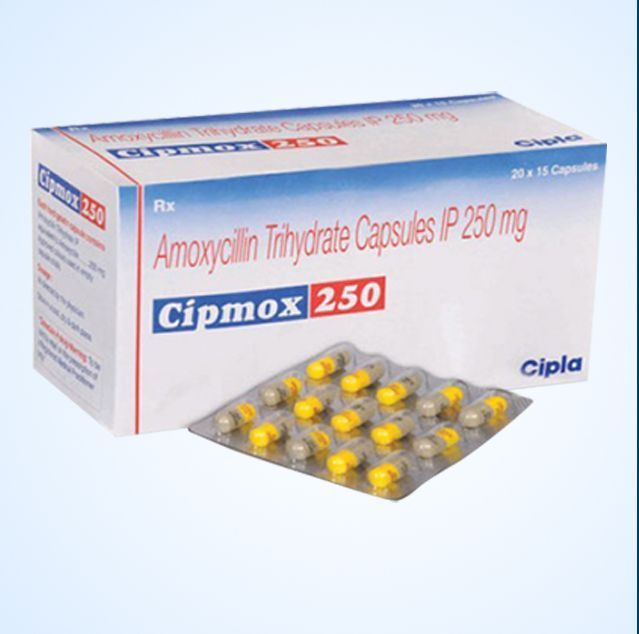
Cipmox 250 Mg is a trusted antibiotic widely prescribed for the treatment of bacterial infections. Containing amoxicillin as its active ingredient, Cipmox 250 Mg belongs to the penicillin group of antibiotics. Doctors recommend Cipmox 250 Mg for conditions like respiratory infections, urinary tract infections, dental infections, and skin-related bacterial problems. By stopping the growth of harmful bacteria, Cipmox 250 Mg ensures faster recovery and helps prevent complications.
What is Cipmox 250 Mg?Cipmox 250 Mg is an effective antibiotic that works against a wide range of bacteria. It targets bacterial cell walls, weakening them until the bacteria are destroyed. Because of its reliability, Cipmox 250 Mg is one of the most commonly prescribed antibiotics for children and adults.
Uses of Cipmox 250 MgDoctors prescribe Cipmox 250 Mg for several types of infections, including:
Respiratory tract infections such as pneumonia and bronchitis.
Urinary tract infections.
Ear, nose, and throat infections.
Dental infections and abscesses.
Skin and soft tissue infections.
By treating these infections effectively, Cipmox 250 Mg not only relieves symptoms but also prevents them from spreading or worsening.
Dosage and AdministrationThe dosage of Cipmox 250 Mg depends on age, body weight, and severity of infection. It is usually taken orally with water, either with or without food. Doctors may recommend Cipmox 250 Mg two to three times a day at evenly spaced intervals. It is important to complete the prescribed course of Cipmox 250 Mg even if symptoms improve early, to avoid antibiotic resistance.
Benefits of Cipmox 250 MgEffective against a broad spectrum of bacterial infections.
Provides quick relief from infection-related symptoms.
Safe for adults and children under medical guidance.
Available in convenient oral tablet form.
Prevents bacterial spread and complications.
Patients on Cipmox 250 Mg often report noticeable symptom improvement within just a few days of treatment.
Side Effects of Cipmox 250 MgLike all medicines, Cipmox 250 Mg may cause side effects in some patients. Common side effects include nausea, diarrhea, abdominal discomfort, or mild skin rash. Rare but serious side effects of Cipmox 250 Mg include allergic reactions, difficulty breathing, or swelling of the face and throat, which require immediate medical attention.
Precautions for Cipmox 250 MgUse Cipmox 250 Mg only under medical supervision.
Inform your doctor of any allergies, especially to penicillin.
Patients with kidney or liver disorders should take extra caution with Cipmox 250 Mg.
Do not discontinue the medicine without completing the full course.
Store Cipmox 250 Mg in a cool, dry place away from direct sunlight.
Q1: What is Cipmox 250 Mg used for?
Cipmox 250 Mg is used to treat bacterial infections of the respiratory tract, urinary tract, skin, dental region, and ENT infections.
Q2: How should I take Cipmox 250 Mg?
Take Cipmox 250 Mg orally with water as prescribed. It can be taken with or without food.
Q3: Is Cipmox 250 Mg safe for children?
Yes, doctors often prescribe Cipmox 250 Mg for children, with dosage based on body weight.
Q4: Can I stop Cipmox 250 Mg when I feel better?
No, always complete the full course of Cipmox 250 Mg to avoid recurrence and resistance.
Q5: Do I need a prescription for Cipmox 250 Mg?
Yes, Cipmox 250 Mg is a prescription-only antibiotic and should not be used without medical advice.
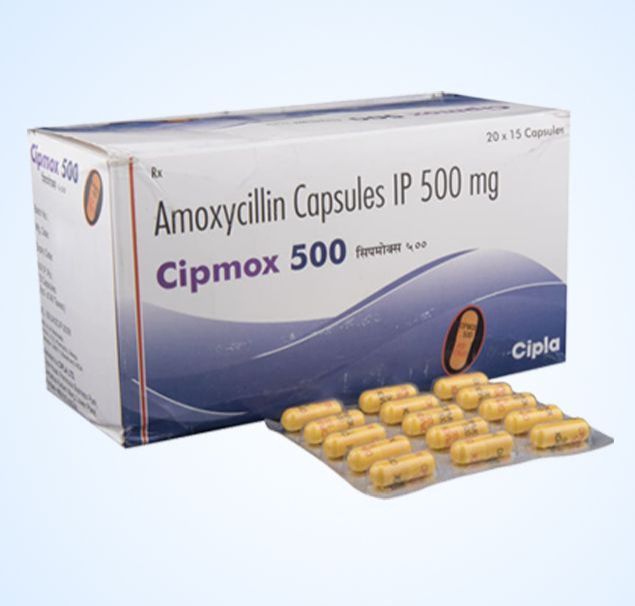
Cipmox 500 Mg is a widely used antibiotic that helps fight bacterial infections effectively. Doctors prescribe Cipmox 500 Mg for a variety of infections, including those affecting the respiratory tract, urinary tract, skin, and ear. Containing amoxicillin as its active ingredient, Cipmox 500 Mg works by stopping bacterial growth, allowing the body to recover faster.
What is Cipmox 500 Mg?Cipmox 500 Mg belongs to the penicillin group of antibiotics. It is highly effective against a wide range of bacterial infections and is often the first choice for physicians due to its proven track record of safety and effectiveness. Patients using Cipmox 500 Mg benefit from its quick action against harmful bacteria.
Uses of Cipmox 500 MgDoctors recommend Cipmox 500 Mg for treating:
Respiratory tract infections like bronchitis and pneumonia.
Urinary tract infections.
Skin and soft tissue infections.
Ear, nose, and throat infections.
Dental infections.
By targeting bacteria directly, Cipmox 500 Mg helps prevent complications and promotes quicker recovery.
Dosage and AdministrationThe dosage of Cipmox 500 Mg varies depending on the severity of the infection and the patient’s age and weight. It is usually taken orally with water, with or without food. Doctors may recommend taking Cipmox 500 Mg two to three times daily at evenly spaced intervals. It is essential to complete the full prescribed course of Cipmox 500 Mg to ensure complete elimination of bacteria and prevent antibiotic resistance.
Benefits of Cipmox 500 MgEffective against a wide range of bacterial infections.
Provides quick relief from infection-related symptoms.
Safe for both adults and children under medical supervision.
Convenient tablet form for easy administration.
Prevents infections from spreading or worsening.
Patients taking Cipmox 500 Mg often notice symptom improvement within a few days of starting treatment.
Side Effects of Cipmox 500 MgWhile most people tolerate Cipmox 500 Mg well, some may experience mild side effects. Common ones include nausea, vomiting, diarrhea, or skin rashes. Rarely, Cipmox 500 Mg may cause allergic reactions, which require immediate medical attention. Always inform your doctor of any previous drug allergies before starting Cipmox 500 Mg.
Precautions for Cipmox 500 MgUse Cipmox 500 Mg only under a doctor’s supervision.
Patients with kidney or liver problems should consult their doctor before use.
Do not stop Cipmox 500 Mg early, even if symptoms improve.
Inform your doctor about any other medicines you are taking.
Store Cipmox 500 Mg tablets in a cool, dry place away from direct sunlight.
Q1: What is Cipmox 500 Mg used for?
Cipmox 500 Mg is used to treat bacterial infections of the respiratory tract, urinary tract, skin, ear, and dental infections.
Q2: Can I take Cipmox 500 Mg without food?
Yes, Cipmox 500 Mg can be taken with or without food. Taking it with meals may reduce stomach upset.
Q3: Is Cipmox 500 Mg safe for children?
Yes, Cipmox 500 Mg can be prescribed to children, but dosage depends on age and weight.
Q4: Can I stop Cipmox 500 Mg once I feel better?
No, always complete the full course of Cipmox 500 Mg to prevent relapse and antibiotic resistance.
Q5: Do I need a prescription for Cipmox 500 Mg?
Yes, Cipmox 500 Mg is a prescription medicine and should not be taken without a doctor’s advice.
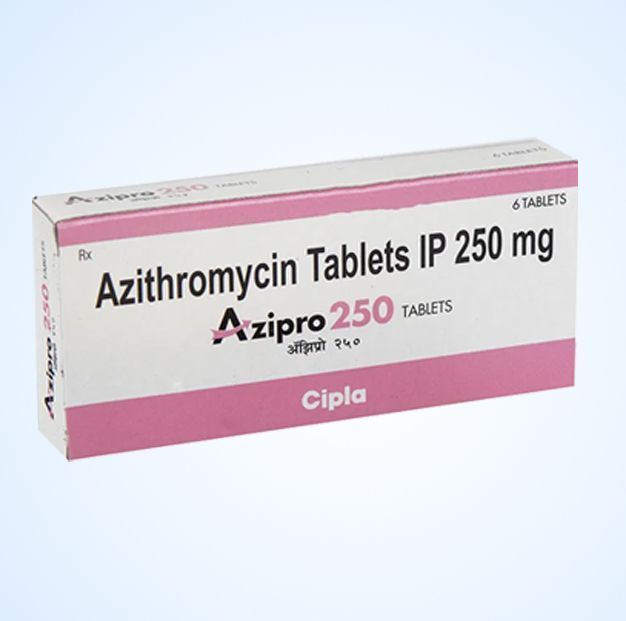
Azipro 250 Mg is a widely prescribed antibiotic medicine used to treat bacterial infections effectively. Containing azithromycin as its active ingredient, Azipro 250 Mg belongs to the macrolide group of antibiotics. It works by stopping bacterial growth, which helps the body fight infections and recover faster. Doctors often recommend Azipro 250 Mg for respiratory infections, ear infections, throat infections, skin conditions, and sexually transmitted infections.
What is Azipro 250 Mg?Azipro 250 Mg is an oral antibiotic that treats a variety of bacterial infections. It is commonly prescribed for patients who require a lower strength than Azipro 500 Mg. Because of its broad-spectrum action, Azipro 250 Mg is trusted by doctors for both adults and children. It is easy to take, usually once daily, which increases patient compliance.
Uses of Azipro 250 MgDoctors prescribe Azipro 250 Mg for several bacterial infections, including:
Respiratory tract infections like pneumonia and bronchitis.
Ear, nose, and throat infections such as sinusitis and tonsillitis.
Skin and soft tissue infections.
Certain sexually transmitted diseases.
Typhoid fever (in specific cases).
With its reliable action, Azipro 250 Mg helps control infections and prevents complications.
Dosage and AdministrationThe dosage of Azipro 250 Mg depends on the type and severity of infection, as well as the patient’s age and weight. Usually, Azipro 250 Mg is prescribed once daily with a glass of water. It can be taken with or without food. To ensure effectiveness, patients must complete the full prescribed course of Azipro 250 Mg, even if symptoms improve early.
Benefits of Azipro 250 MgBroad-spectrum antibiotic effective against many bacterial infections.
Convenient once-daily dosing.
Suitable for both adults and children under medical supervision.
Provides quick relief from infection-related symptoms.
Shorter treatment course compared to many other antibiotics.
Many patients report noticeable improvement within 2–3 days of starting Azipro 250 Mg.
Side Effects of Azipro 250 MgLike all medicines, Azipro 250 Mg may cause side effects in some individuals. Common side effects include nausea, diarrhea, vomiting, abdominal pain, and headache. Rarely, Azipro 250 Mg may cause liver problems, allergic reactions, or irregular heartbeat. If any severe reaction occurs, seek medical help immediately.
Precautions for Azipro 250 MgTake Azipro 250 Mg only under a doctor’s guidance.
Patients with liver or kidney problems should inform their doctor before using Azipro 250 Mg.
Avoid alcohol while taking this medicine.
Do not skip doses or discontinue early, as it may lead to antibiotic resistance.
Store Azipro 250 Mg tablets in a cool, dry place away from sunlight.
Q1: What is Azipro 250 Mg used for?
Azipro 250 Mg is used to treat bacterial infections of the respiratory tract, ear, throat, skin, and some sexually transmitted infections.
Q2: How should I take Azipro 250 Mg?
Take Azipro 250 Mg once daily with water, either with or without food, as prescribed by your doctor.
Q3: Is Azipro 250 Mg safe for children?
Yes, doctors may prescribe Azipro 250 Mg for children, with dosage adjusted according to body weight.
Q4: Can I stop Azipro 250 Mg when I feel better?
No, always complete the prescribed course of Azipro 250 Mg to prevent recurrence of infection and resistance.
Q5: Do I need a prescription for Azipro 250 Mg?
Yes, Azipro 250 Mg is a prescription-only antibiotic and should not be taken without medical advice.
 Mr. Kishan (KN Medlife)
 Address: 422,Amby Valley Arcade, opp. Santosa Height,, Utran, Surat, Gujarat - 394105, India
 Share us via